Penile cancer, also called penis cancer, is rare. Its symptoms could also be symptoms of other conditions that are not cancer.
Still, you should be aware of changes on and around your penis and report them to your doctor. If you do have cancer, detecting it early gives your doctor a better chance to treat it successfully.
Symptoms of penile cancer
Symptoms of penile cancer include these changes to the tip, foreskin, or shaft of your penis:
White or red spot
Small, hard lumps
A sore that bleeds
Fluid or blood under the foreskin
Learn more about causes and treatments
In most cases, penile cancer starts in the foreskin or on the head of the penis. Other names include:
Bowen disease, when it starts on the shaft or other part of the genitals
Erythroplasia of Queyrat, when it starts on the head of the penis
Paget disease of the penis, or adenocarcinoma, when it starts in the sweat glands in the skin of the penis
A risk factor is anything that increases your chances of getting a disease.
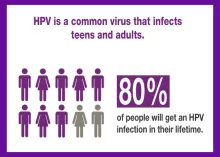
HPV, or human papillomavirus, is a common virus you can get through sexual contact or other kinds of skin-to-skin contact. HPV infections can be treated, but if the infections return over and over, your risk increases for getting penile cancer.
Other risk factors include:
Not being circumcised
Being 55 or older
Smoking
Having AIDS
If the cancer is found early and the tumor is small, the tumor can be removed without removing any part of the penis. More advanced tumors may require removing parts of the penis.
In some cases, the entire penis is removed, and the scrotum and testicles may also be removed, depending on how much the cancer has spread. In a procedure called perineal urethrostomy, a new opening is created to control urination without a penis.
For penile cancer that has spread to the lymph nodes, surgery may extend to other parts of the groin.
UI Health Care has experts who focus only on cancers of the urinary system
Our experts focus on every aspect of penile cancer, including what your life will be like after your treatment.
Our doctors also are top researchers who are finding new treatments and therapies to help get you back to living your life. We are always searching for ways to make the best cancer treatments even better.
We participate in clinical trials of the latest breakthroughs in cancer treatment. This can give you the chance to have your cancer treated with a promising new therapy that is not yet available on the market.
Our Care Team
Not sure which Penile Cancer provider is right for you?
When you call 1-319-356-4200 we'll help you find a provider who meets your needs.
Holden Comprehensive Cancer Center has partnered with 69 other National Cancer Institute (NCI)-designated cancer centers urging increased HPV vaccinat...
Caring for a loved one with cancer presents a unique set of challenges.
Family and friends who are taking care of a cancer patient are invited to attend therapy group for caregivers.
In these groups, caregivers will offer support, exchange ideas, and learn strategies to cope with the stress that comes with caring for a cancer patient.
We offer group therapy for men and women of all ages who have a cancer diagnosis. The therapy sessions provide a safe environment for supportive interactions, education, and sharing of experiences. The groups practice mindfulness, acceptance, and self-compassion. Wherever you are in your cancer journey—recently diagnosed, in active treatment, or finished with therapy—please join us.
Awards and Recognition
Iowa's only NCI-designated comprehensive cancer center
Holden Comprehensive Cancer Center is the only NCI-designated comprehensive cancer center in Iowa. This designation recognizes our ability to offer Iowans more cancer treatment options than most U.S. cancer centers, including a vast array of clinical trials of some of the newest therapies.
An emerging body of evidence suggests that treatment at a comprehensive cancer center may offer patients better chances for long-term survival.