Central Iowa veteran facing prostate cancer finds hope through theranostics
After surgery, hormone therapy, and radiation fell short, Ron Watson found a new way forward through theranostics — a targeted approach that he was able to receive close to home through Mission Cancer + Blood and University of Iowa Health Care. Today, he's back on the ballfield and back to the life he loves.
When Ron Watson was first diagnosed with prostate cancer in July 2021, with his wife by his side, he decided to tackle it aggressively. As a 54-year-old U.S. Air Force veteran, equipment delivery driver, and active grandfather who was still playing in several competitive baseball leagues, Watson wasn’t willing to take a wait-and-see approach.
“I’m still young – I want to see my grandkids grow up!” Watson says.
Watson underwent surgery to remove his prostate with the hope that it would eliminate the risk forever. For a while, his follow-up tests looked encouraging – until they didn’t. Eventually with regular monitoring check-ups, he learned that his Prostate-Specific Antigen (PSA) levels had begun to rise again, indicating that the cancer was likely still in his body.
With his hopes dashed for a relatively easy cancer journey, and worried about what this meant for his future, Watson took the recommendation of a physician friend and sought a second opinion from Daniel Buroker, MD, JD, an oncologist with Mission Cancer + Blood, part of University of Iowa Health Care.
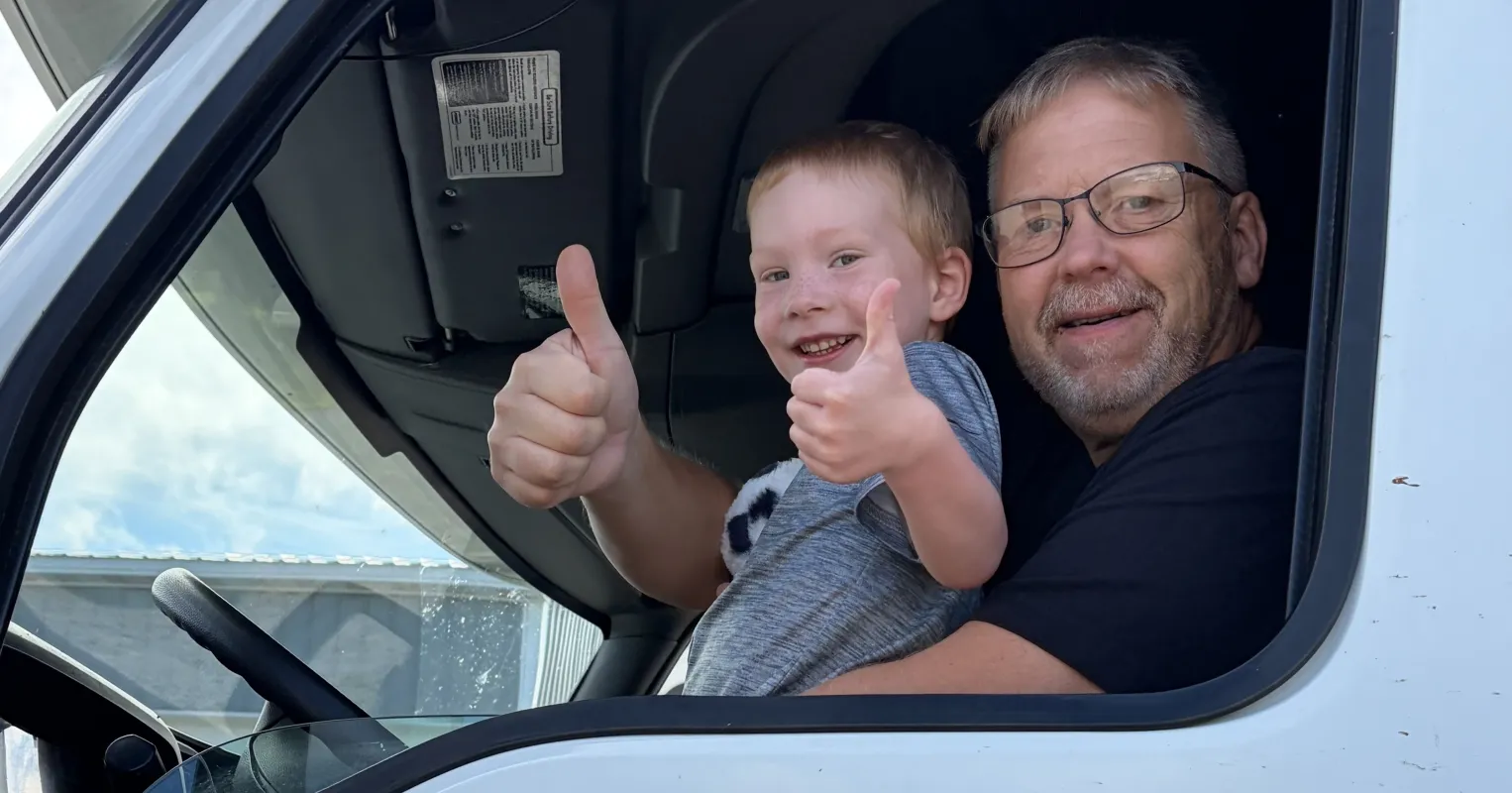
Watson appreciated that Buroker was able to see him quickly, was willing to talk through options, including how the cancer and its treatment were affecting his day-to-day life.
Hormone therapy helped lower Watson’s PSA levels dramatically, but it significantly impacted his quality of life. Watson struggled with deep exhaustion, interrupted sleep, hot flashes, and depression. Medication and support from his family and friends helped, but Watson knew he couldn’t rely on the hormone treatments when it made daily life so hard.
Buroker then recommended radiation therapy. Again, it helped for a bit, but Watson’s PSA levels eventually began to climb. Scans that showed what was once one lesion had become two.
Watson remembers the weight of hearing that this third line of therapy wasn’t working.
“I knew it could get much more serious if we didn’t find another option,” Watson says.
Reason to hope
That’s when Buroker discussed a treatment called theranostics, a targeted approach that combines diagnostic imaging with treatment. In simple terms, theranostics first uses a radioactive drug designed to indicate if a patient’s tumors have specific receptors. If those receptors are found, then a closely related treatment drug is administered to target those exact receptors and deliver radiation directly to cancer cells while limiting radiation exposure to surrounding healthy tissues.
Watson then had the opportunity to talk to Yusuf Menda, MD, a University of Iowa Health Care nuclear medicine physician, who walked him through what to expect. The treatment would be given intravenously, with multiple doses spaced apart. All of it could be administered at Mission’s Waukee clinic, collaboratively between UI Health Care’s theranostics team and Buroker. There were no guarantees, but there was reason to hope.
“Dr. Menda’s explanation made me optimistic that this treatment could be the one that works,” Watson says.
Not only did this new option give Watson hope, but being able to receive treatment in the Des Moines area made a meaningful difference. Watson lives in Ankeny and was still working as close to a full-time schedule as possible, so being able to stay in the Des Moines metro for treatment significantly reduced the travel time he would have had to make to Iowa City. His drive to the Waukee clinic is about 30 minutes.
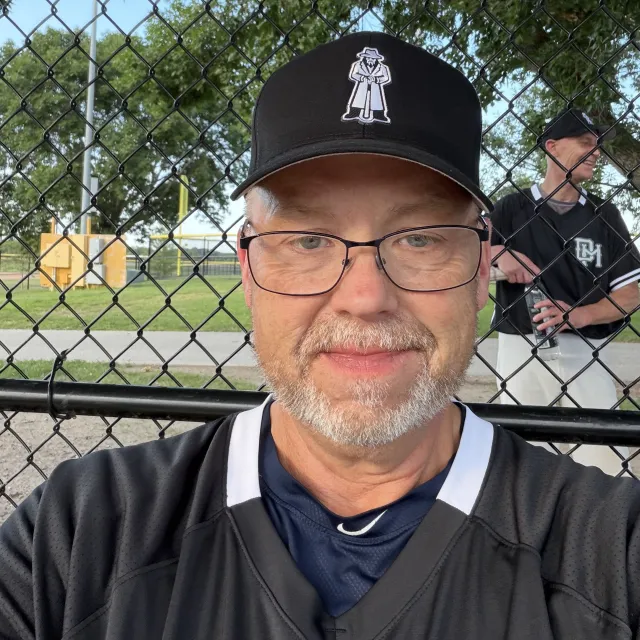
The mindset of a fighter
While Buroker and Menda coordinated the theranostics with Watson’s overall treatment plan, Watson brought his own unique approach to the therapy: his fighter mindset.
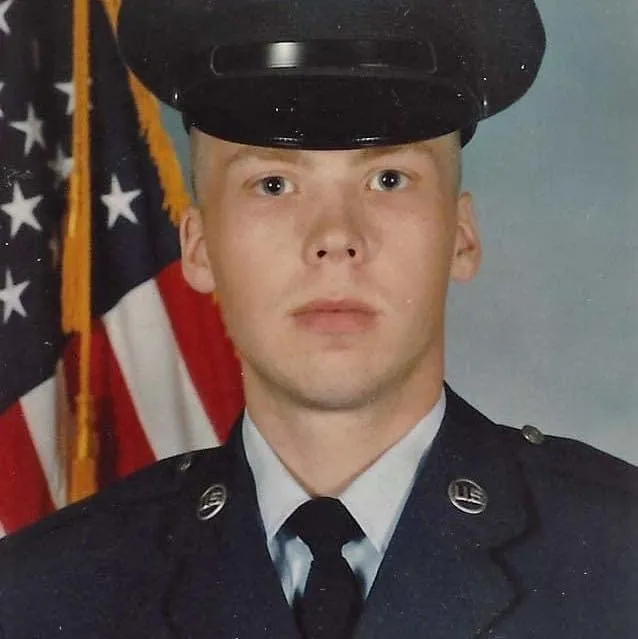
Thinking back to his U.S. Air Force days, Watson says, “I imagined the treatment as fighter planes entering my body, locking on to cancer, and destroying it. This image helped me stay positive over and over again.”
This was especially helpful when he needed to be physically separate from his wife, adult children, and four grandchildren, ranging in age from 1 to 11, to keep them safe. After treatment, patients are given temporary radiation-safety precautions, including limiting close contact with others for a period of time.
After just a few treatments, Watson’s “fighter jets” appeared to be doing their job.
Following the first treatment, his PSA levels had dropped dramatically. After the second treatment, they were almost zero. His care team recommended one more treatment to strengthen the response. A subsequent scan showed no evidence of active disease and his most recent PSA was undetectable.
Given his excellent response after three treatments, his care team elected to pause therapy and continue close monitoring, with the possibility of additional treatment in the future if appropriate.
The road back to good health
Watson is careful not to say he’s been “cured.” Cancer and several types of treatment have taught him that peace can feel temporary, and follow-up tests create their own kind of anxiety. For now, he and his physicians have agreed to monitor his PSA every three months while he continues to enjoy an excellent response to treatment.
By his side, through it all, has been his wife of 39 years. Watson says her love, tenderness, and steady support helped carry him through the emotional and physical toll of treatment. This sentiment means even more considering she received her own bladder cancer diagnosis a little over six months after Watson began treatment. Though she is private about her cancer journey, Watson says that together, they persevered.
“We both were experiencing extreme exhaustion, going through treatment at the same time, and also trying to keep up with our full-time jobs,” Watson says.
In March 2026, she was deemed cancer-free.
Today, Watson is working to rebuild his strength and stamina and returning to the things he loves. While his energy is not what it once was, he is back to playing baseball in not just one, but three leagues (40+, 48+, and 58+ age groups). He hopes to get back to jogging and weightlifting as his body continues to recover. Earlier this year, Watson began writing a novel inspired by both his love of baseball and his cancer journey. He sees it as an accomplishment and a legacy to leave behind.

Watson shares his story because he knows how discouraging cancer treatment can be – especially when the first or second treatment doesn’t work. His advice to patients is to keep asking questions, to keep talking with your doctors, and to always keep your goals for treatment top of mind.
“You just never know when you’re going to find the one thing that works for you,” Watson says.
It may just be those fighter jets.