Melanoma
Melanoma is the most aggressive kind of skin cancer. It grows quickly and is more likely to spread to other parts of the body than other kinds of skin cancer. Melanoma can also form in the eyes, in mucous membranes like the mouth or vagina, or, in extremely rare cases, in organs such as the colon and liver.
Melanoma is a serious kind of cancer, but if found and treated early, your chances of recovery are very good.
Risk factors for melanoma
Your risk of developing melanoma depends on many factors such as genetics, health history, and lifestyle. Having a risk factor for melanoma doesn’t mean you will get melanoma, but it means you are more likely than the average person to get it.
A major risk factor for melanoma is exposure to ultraviolet (UV) rays. Sunlight, sun lamps, and tanning beds are all sources of UV rays. Being exposed to UV rays over a long period of time can damage normal skin cells and increase the likelihood of them changing into melanoma skin cancer cells.
Other risk factors for melanoma include:
- Fair skin that burns easily
- A history of blistering sunburns
- Moles
- A family history of unusual moles
- A family history of melanoma
Signs and symptoms of melanoma
Melanoma is easily treated if caught early, which is why it is important to be familiar with any moles or marks on your skin and to look for the signs of melanoma.
These include:
- A spot on your skin that you haven’t seen before or that has changed
- Changes in the color, size, or shape of a mole
- A new mole or growth that doesn’t look like other moles on your skin
- A sore on your skin that isn’t healing
If you notice anything on your skin that looks abnormal or different from other marks on your body, let your provider know right away.
How melanoma is diagnosed
In addition to reviewing your health history and your family history, your provider may perform the following tests to determine if you have melanoma:
This physical exam involves your provider checking your skin for moles and marks that could be melanoma.
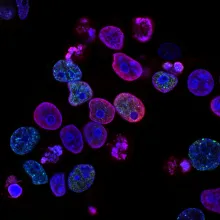
This test involves taking a sample of your skin tissue and viewing it under a microscope to see if any cancer cells are present.
If melanoma is confirmed, you may need additional tests to determine if your melanoma has spread to other parts of the body and determine the stage of the disease. These could include:
- Sentinel lymph node biopsy. This type of biopsy involves removing a lymph node during surgery and viewing it under a microscope to see if any cancer cells are present.
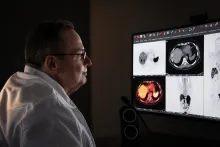
- Computed tomography (CT). A CT scan helps your providers see if the melanoma has spread to other tissue or internal organs.
- Magnetic resonance imaging (MRI). An MRI scan can help get more detailed images of your brain and spinal cord, allowing your provider to check for melanoma tumors.
- Positron emission tomography (PET). A PET scan can help determine if the cancer has spread to other parts of your body, which may indicate more advanced stages of melanoma.
Based on your specific needs, your provider may recommend additional tests outside of those listed, including X-rays, blood tests, or ultrasounds.

Every cancer diagnosis is unique.
That’s why getting a second opinion matters. Our cancer experts can confirm your diagnosis and help you understand all your treatment options.
Leaders in advanced melanoma care
At University of Iowa Health Care Holden Comprehensive Cancer Center, our experts are leading the way in developing and delivering cutting-edge treatments that improve quality of life and boost survival rates. This includes innovative melanoma immunotherapies that harness your immune system to detect and destroy cancer cells.
Although melanoma is the deadliest form of skin cancer, survival rates have significantly improved in recent decades, thanks in large part to clinical trials. These studies provide early access to promising new treatments and medications not yet available to the public. Since 2011, nearly a dozen new drugs have been approved for melanoma treatment.
Treatments for melanoma
At UI Health Care, your care team of melanoma specialists consists of experts from different fields of medicine who work together as a group to choose the best treatment options for you and your cancer.
Your team includes radiologists, medical oncologists, radiation oncologists, surgeons, genetic counselors, pathologists, pharmacists, nurses, and laboratory-based scientists.
Together they will create a personalized treatment plan that may include a combination of surgery, chemotherapy, radiation, immunotherapy, or a clinical trial.
Clinical trials give you the opportunity to receive the most recent, advanced treatment options, such as drugs that are not yet on the market and other promising treatments that could increase your chances for recovery and improve your quality of life. Our melanoma specialists are also researchers who are working to find new treatments and therapies for melanoma.
Comprehensive melanoma care
In addition to your cancer care, Holden offers additional support for melanoma patients through several initiatives, including:
- A melanoma follow-up clinic. These specialists see you after you’ve been treated and have your health back.
- A dermatology clinic. This clinic specializes in screening patients who are at high risk for melanoma.
- A melanoma tissue repository. We collect melanoma tissue samples from patients so that our scientists can learn more about how the disease works and how it can be prevented and cured. Our past patients’ tissue donations may help us treat your melanoma. Your tissue donation can help us treat future patients.
Melanoma treatments
Melanoma types
- Superficial Spreading Melanoma
- Nodular Melanoma
- Acral-lentiginous Melanoma
- Lentigo Maligna Melanoma
- Amelanotic Melanoma
- Desmoplastic Melanoma

Patient Stories