New simulation training promotes trust, readiness for NICU parents
Three simulations offer various emergencies for parents to practice their response before taking home a child with respiratory challenges
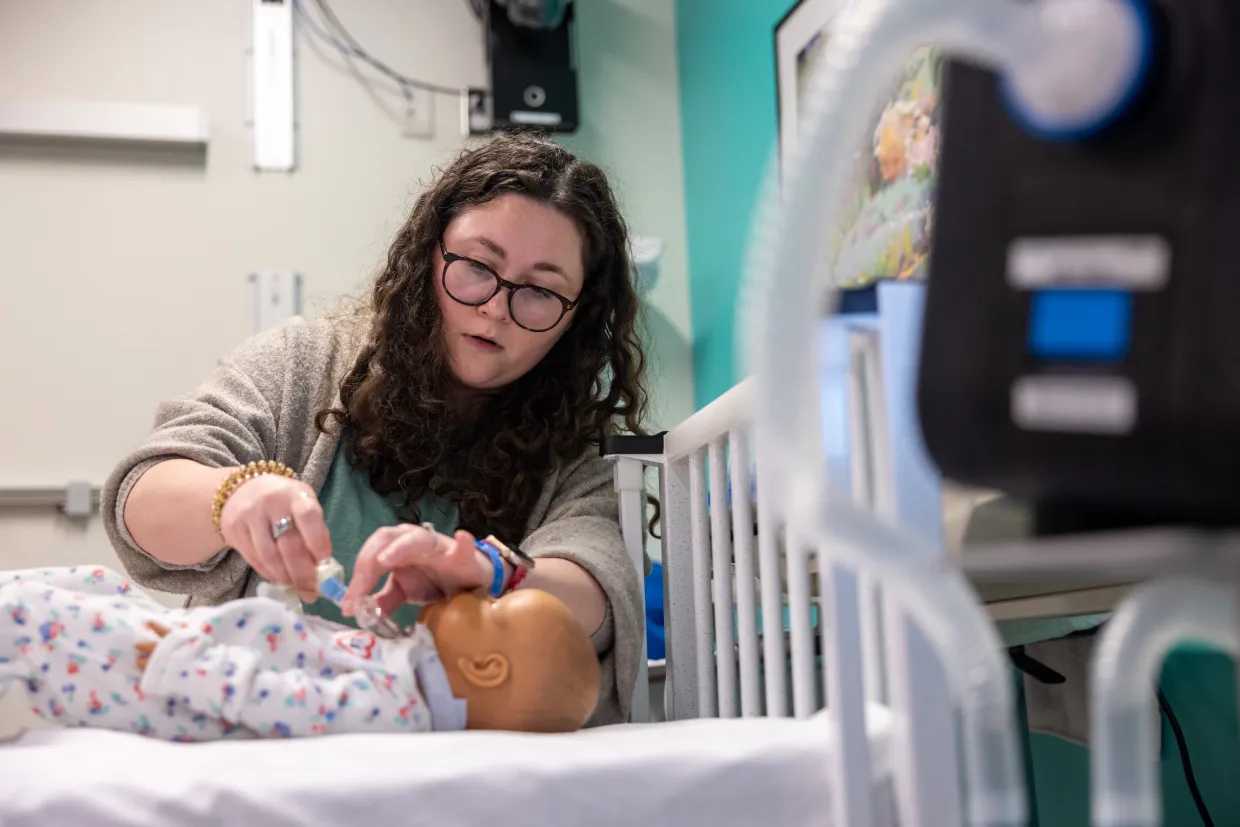
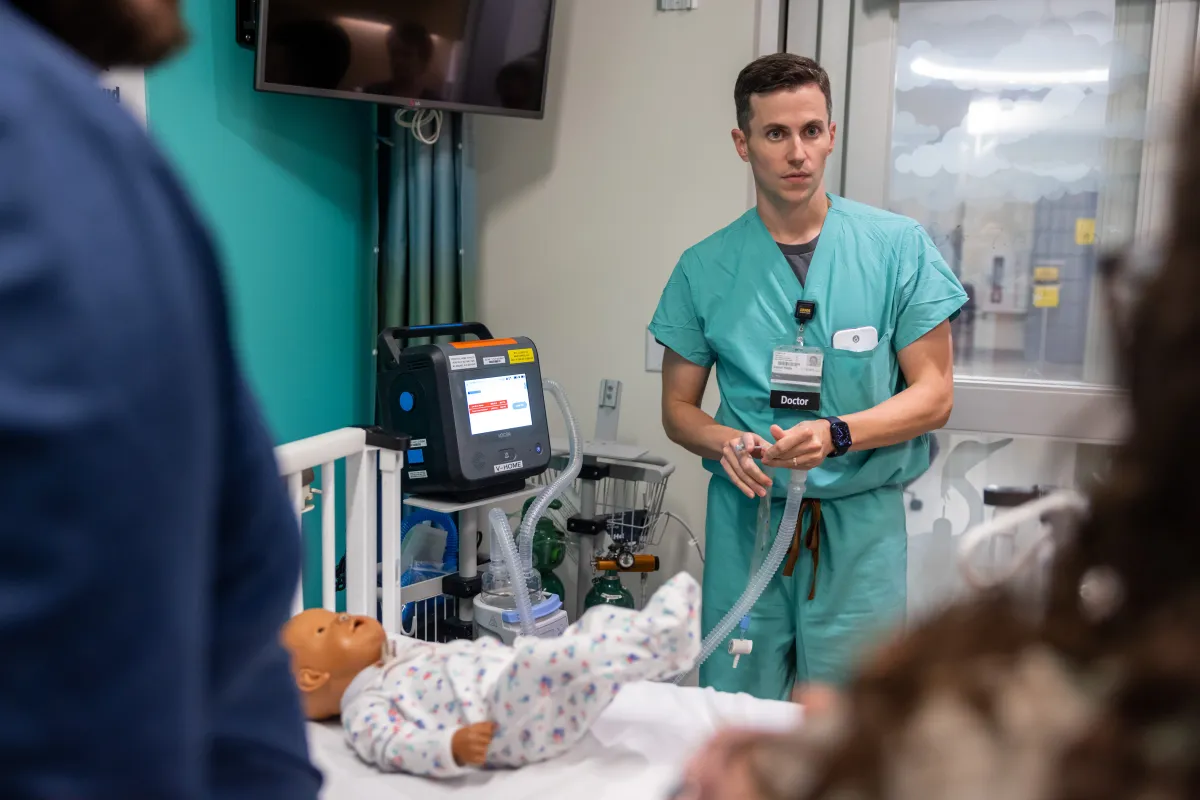
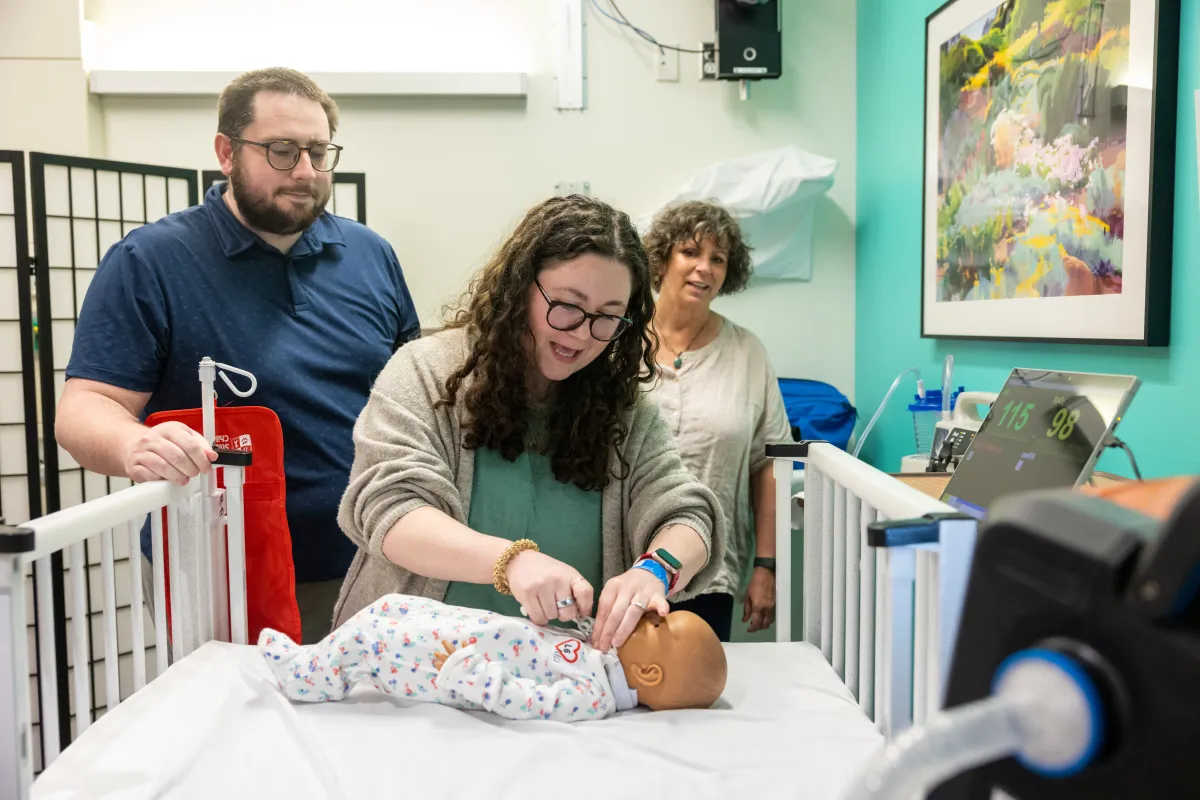
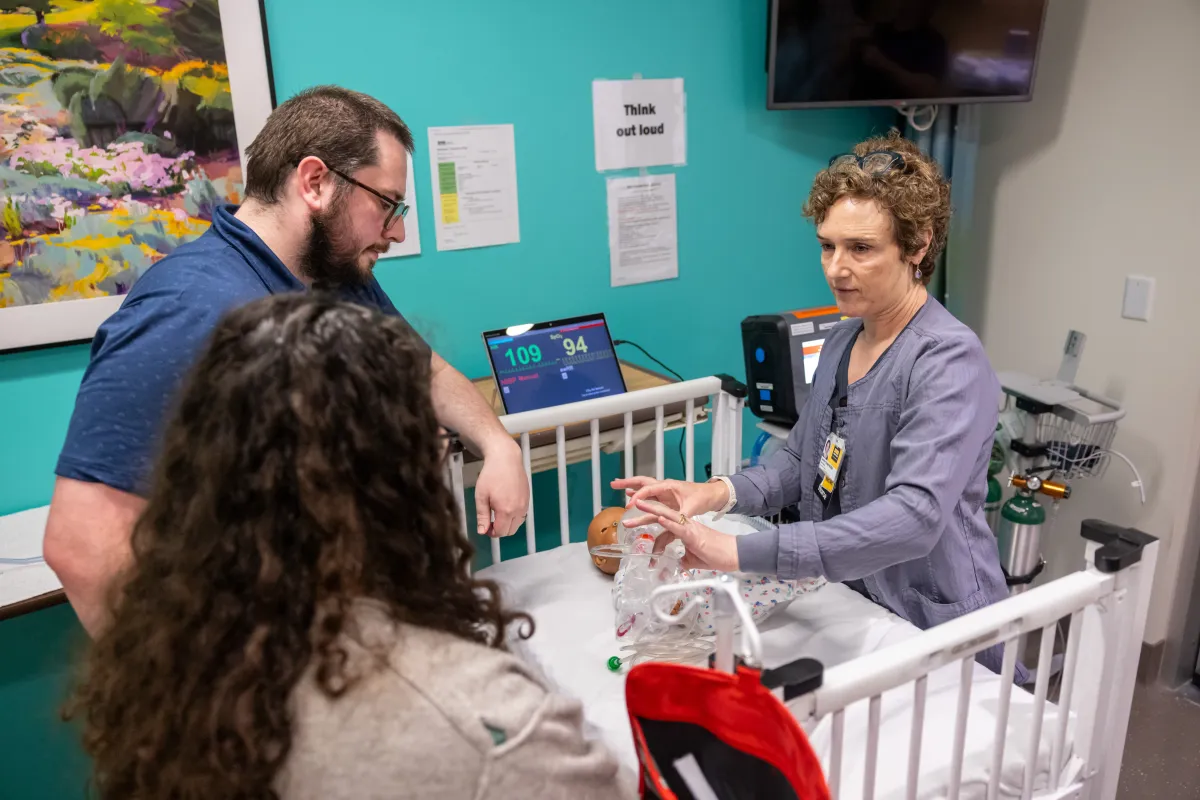
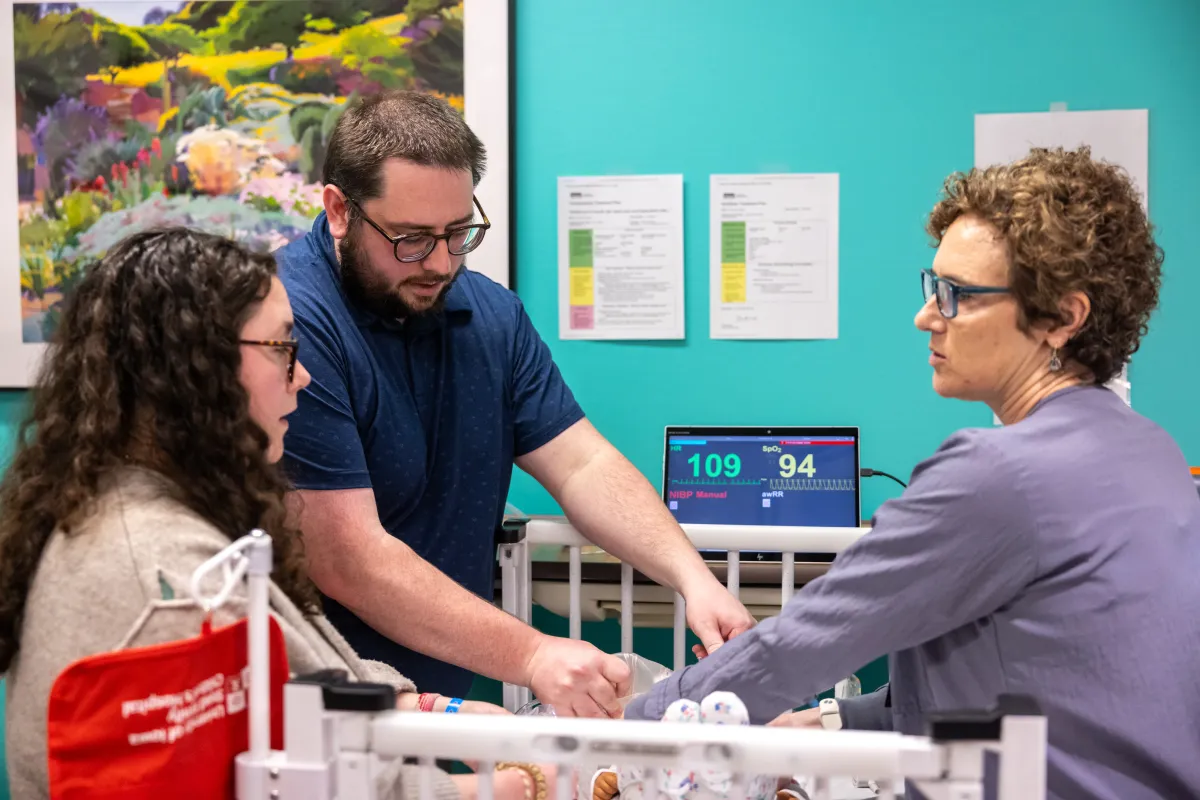
Two young parents rush to a child’s bedside as medical alarms chime around them. Medical professionals — trained to respond without missing a beat — stand stoically in the doorway.
This scene is counter to what one would see on any floor of University of Iowa Stead Family Children’s Hospital, where staff would be the ones responding to the alarms. But in the hospital’s simulation center that’s not always the case.
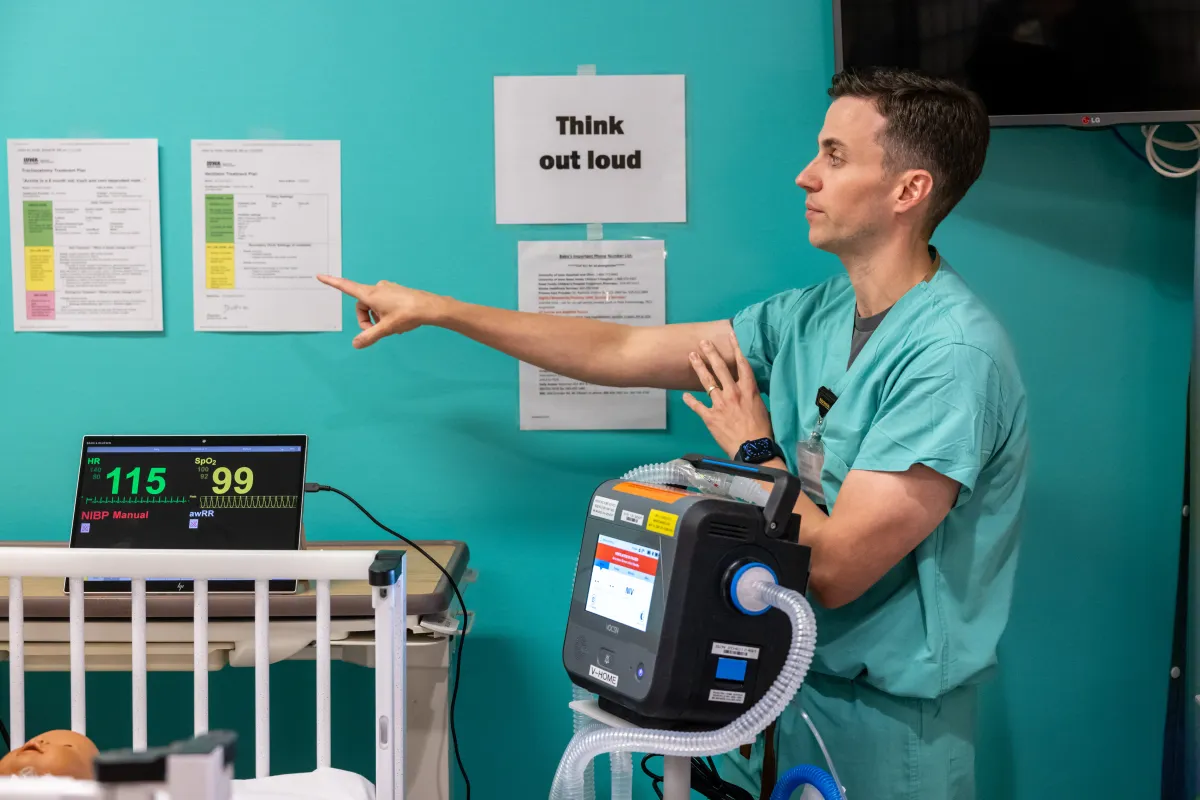
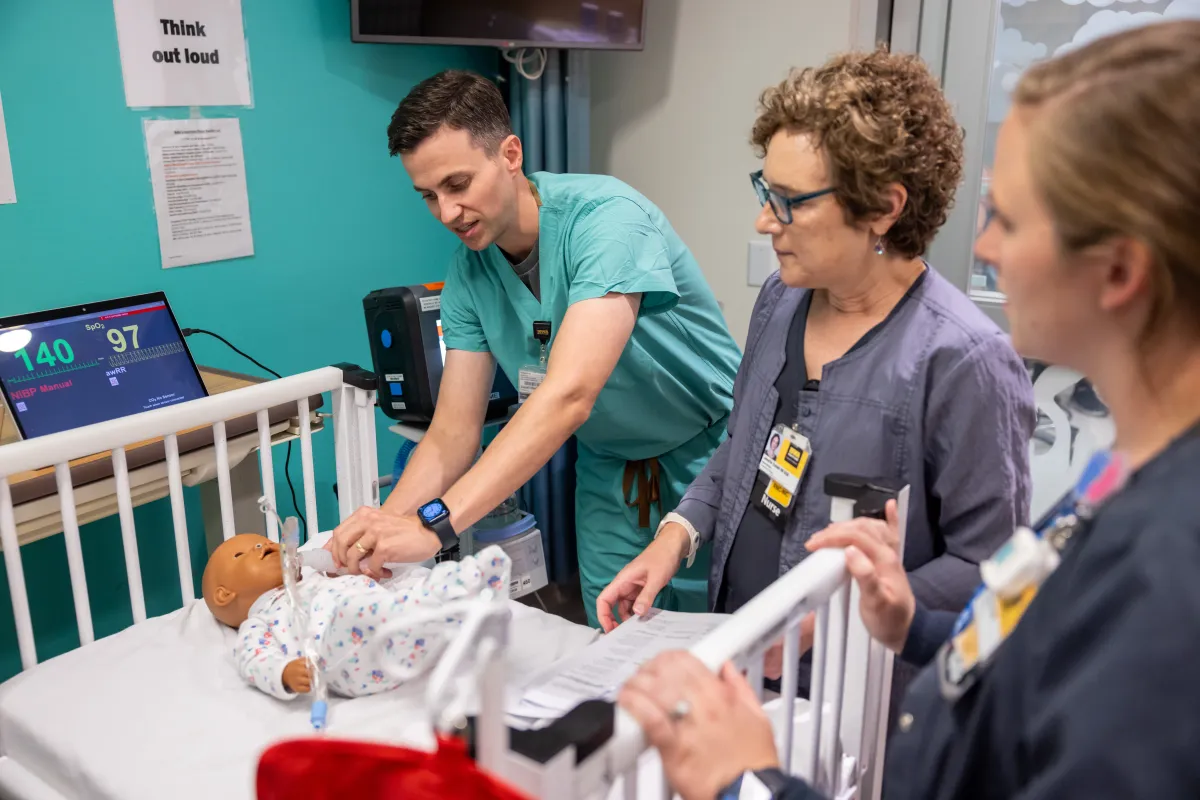
Traditionally, the space was used to support ongoing staff training, but now some, parents are learning new skills for handling tough situations with their children before they leave the neonatal intensive care unit (NICU).
“The goal really is to give families an opportunity to practice these types of emergency situations, so they’ll know what the emotions are like, how to draw from these training experiences,” says Daniel Hinds, MD, MS, a pediatric pulmonologist who helped develop this training. “This way they will at least have something in muscle memory, so they don't freeze up and then risk something bad happening.”
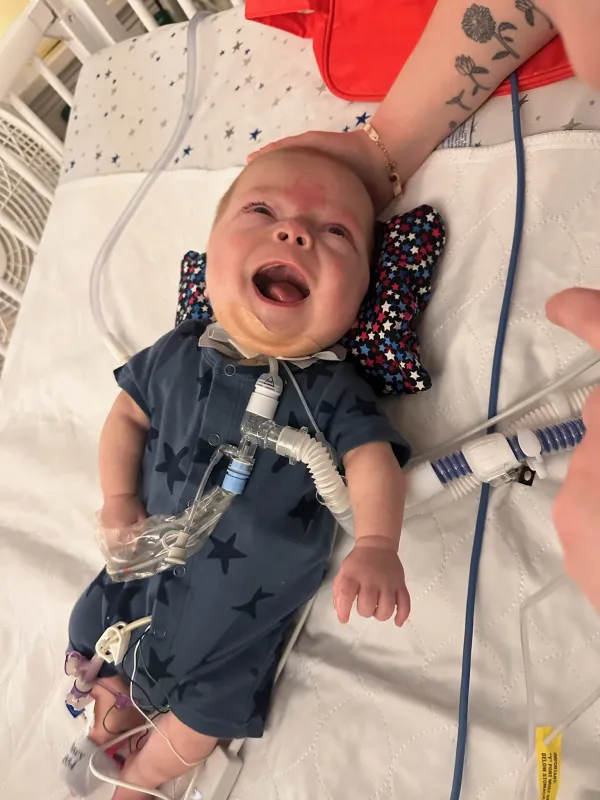
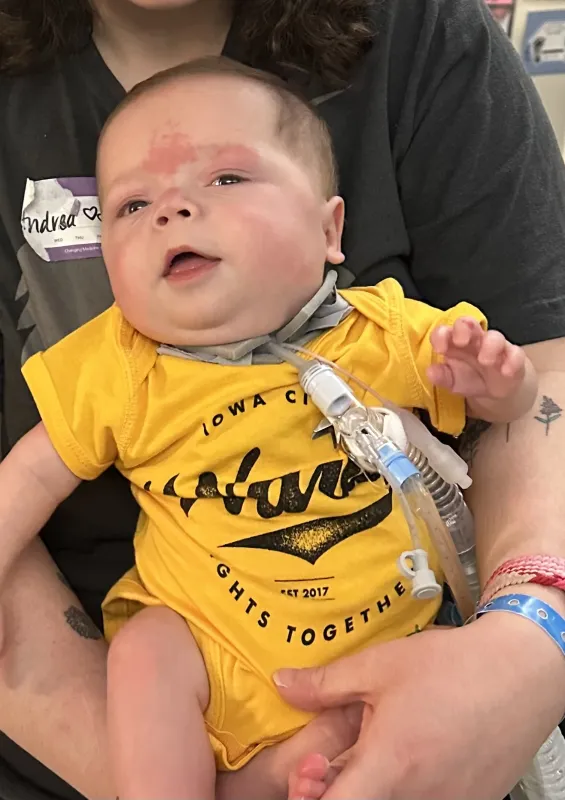
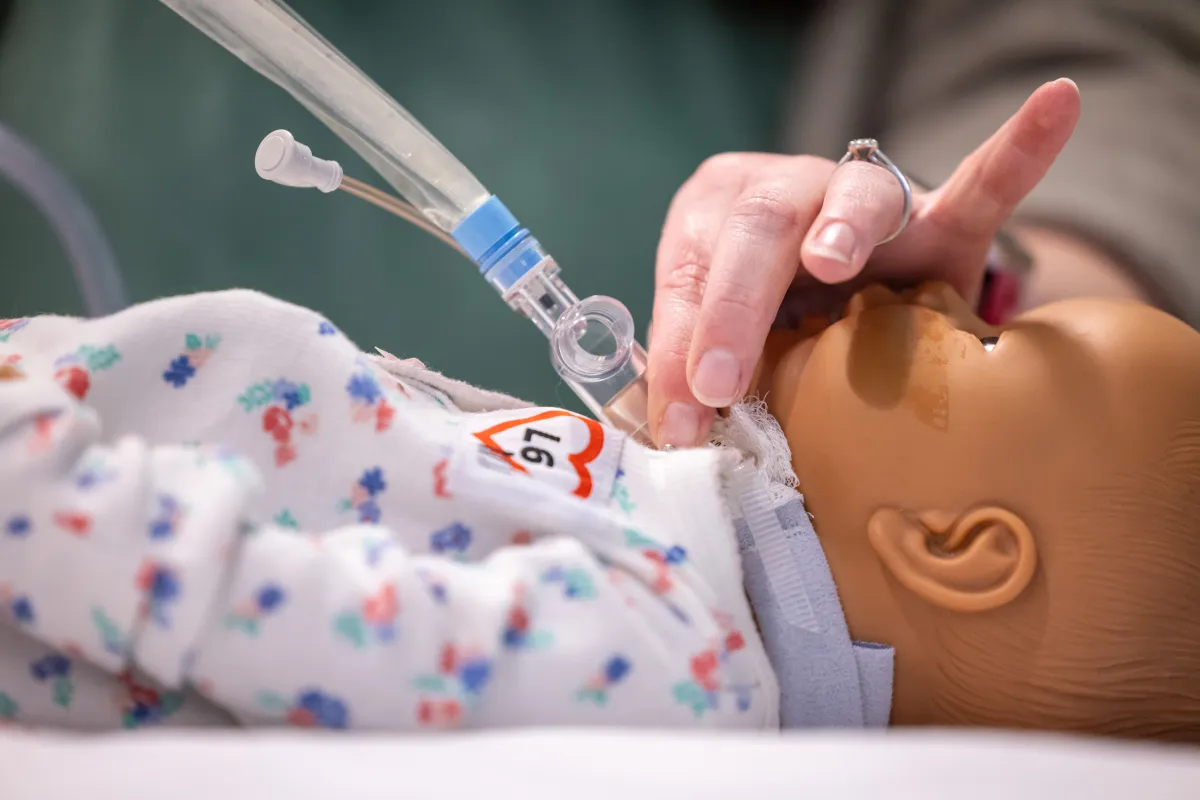
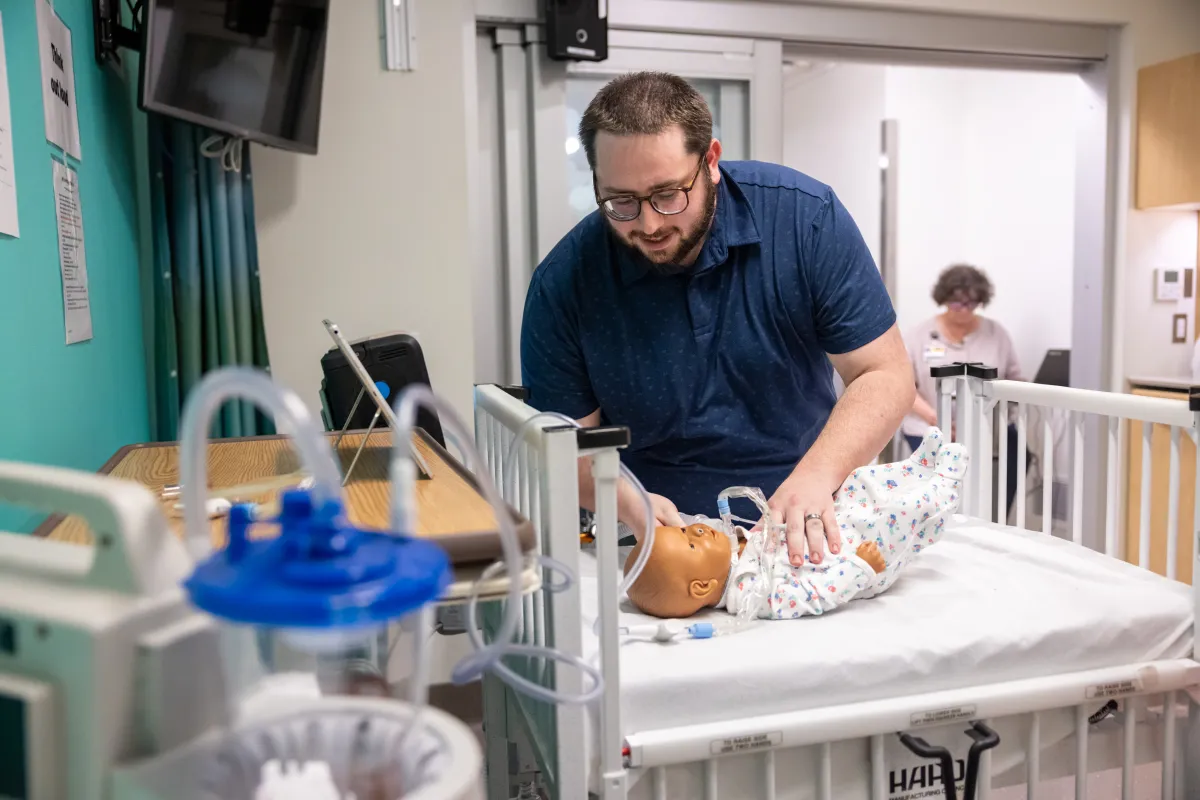
The simulation training focuses on preparing families of a child with a tracheostomy tube — or a “trach" — for what it’s like to respond to a medical emergency at home. A trach is a small tube inserted into a child’s windpipe to help them breathe and is a standard treatment for a variety of medical conditions. However, it requires regular maintenance and can malfunction, something that would be stressful for any new parents.
Training for muscle memory
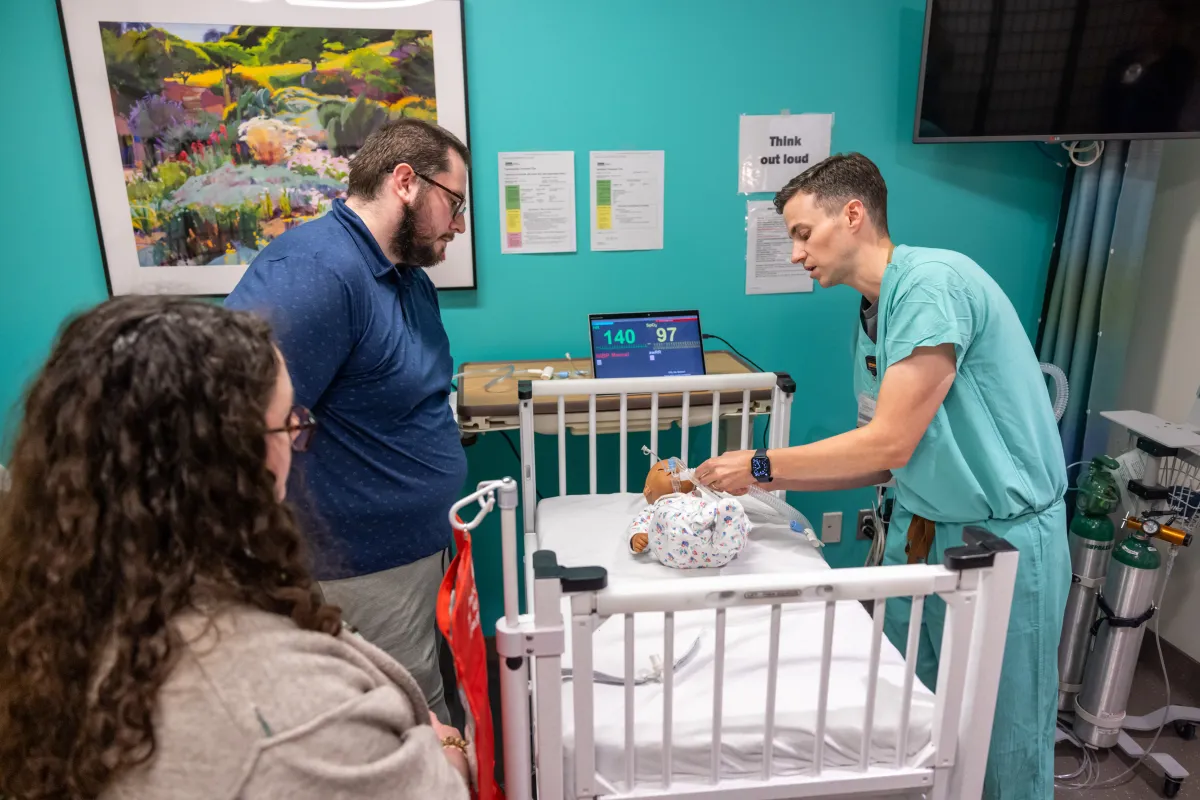
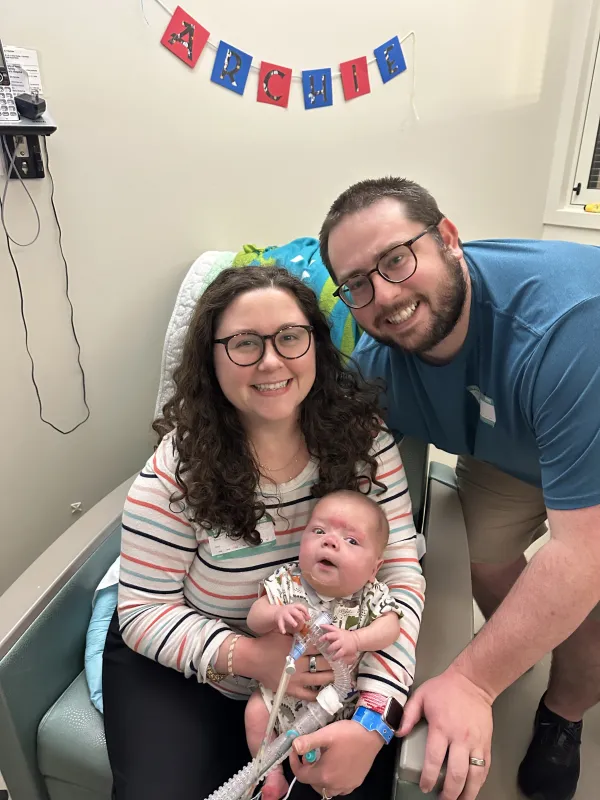
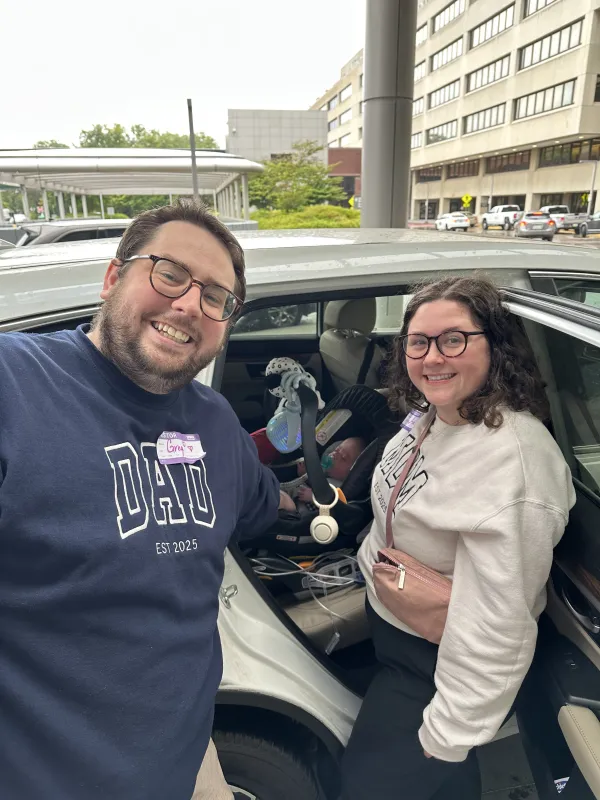
To say that Andrea and Greg Arens are in sync is an understatement. The first-time parents often finish each other’s sentences, but even they know that practicing communication is key to success, especially when it comes to their son, Archie.
“It’s hard to imagine not doing this kind of training,” Andrea Arens says. “I think it’s necessary for all parents like us.”
Before he was born, Archie experienced severe intrauterine growth restriction, a condition where a fetus doesn’t receive adequate nutrition from the placenta. This caused a few medical issues, including his small size and issues with his airway.
After being transferred to Stead Family Children’s Hospital, the family was relieved that within three days of being admitted, the care team provided them with a concrete plan for Archie.
“Once he got his trach, we really got to see his face, because before he was always intubated,” says Greg Arens, adding that the couple was moved by staff’s positive mindset.
“The culture here is so great. All the nurses, the staff, everybody was like, ‘Oh my gosh, Archie is going to get a trach! That’s so exciting! It will improve his quality of life so much,’” Andrea Arens recalls.
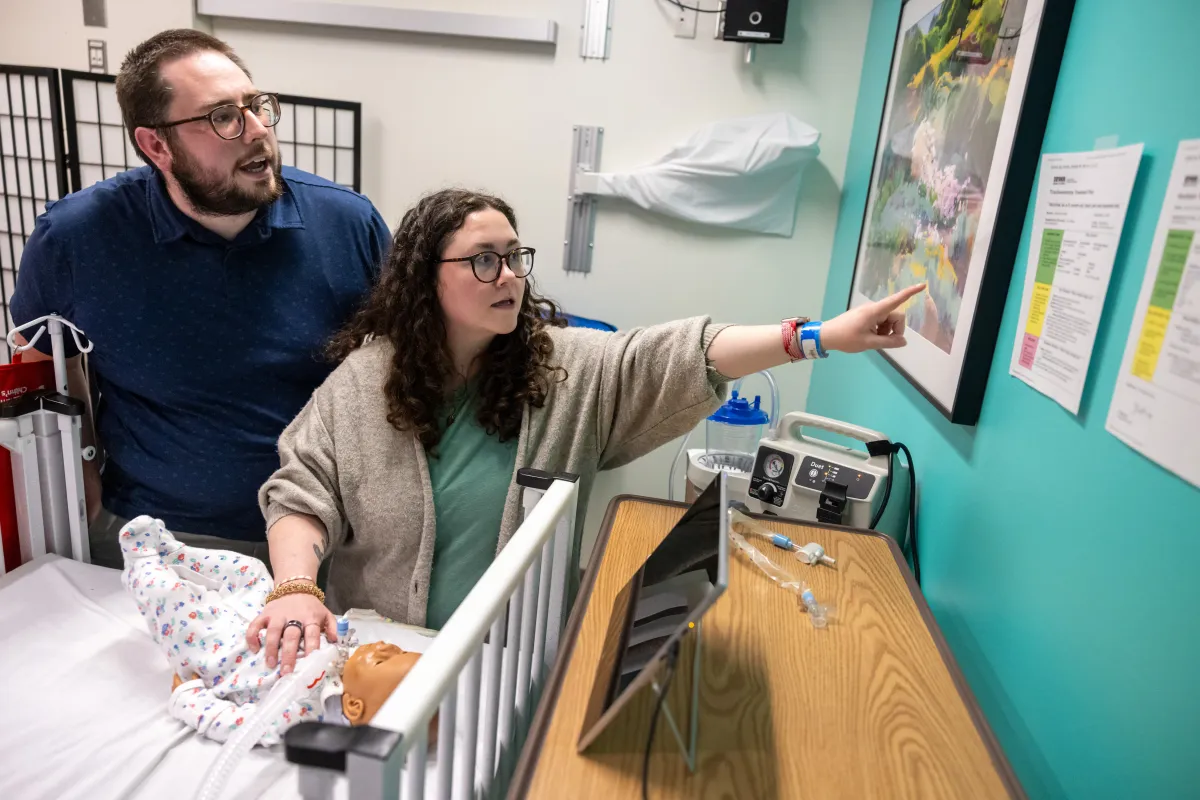
In their simulation training, the Arens practiced bouncing ideas and observations off each other as they were put through three different scenarios, each growing in its complexity, from suctioning a blockage of mucus from Archie’s trach to changing out his trach to needing to perform CPR and call 911.
“Being able to go through all the steps without your kid being in danger from a real emergency is really great,” Greg Arens adds. “It helps to know how we would react to it in the moment.”
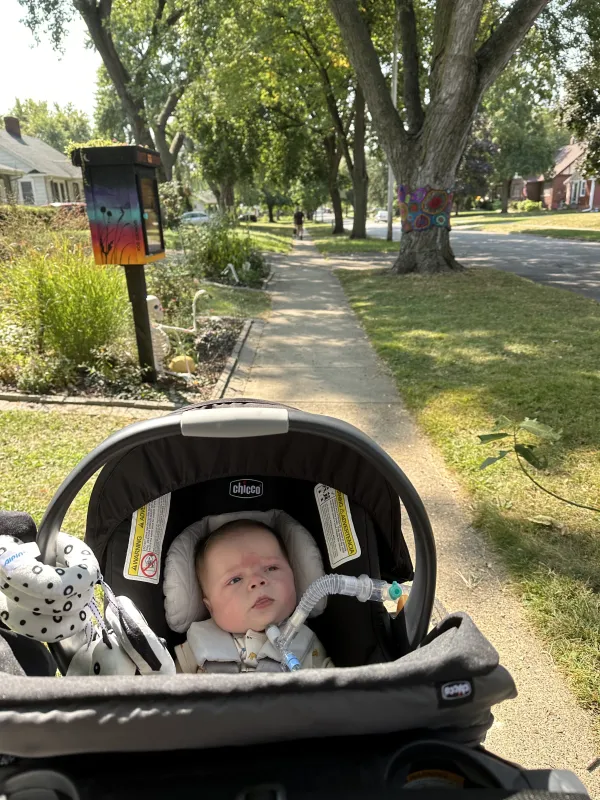
Hinds says part of that preparation can be as simple as providing a prompt for parents if they ever need to call 911.
“When adrenaline sets in during an emergency, people have different reactions to it, so boosting your muscle memory these things — like what to say about your kid having a trach if you need to call 911 — gives parents something to fall back on before their in an emergency,” Hinds says.
Why is training needed?
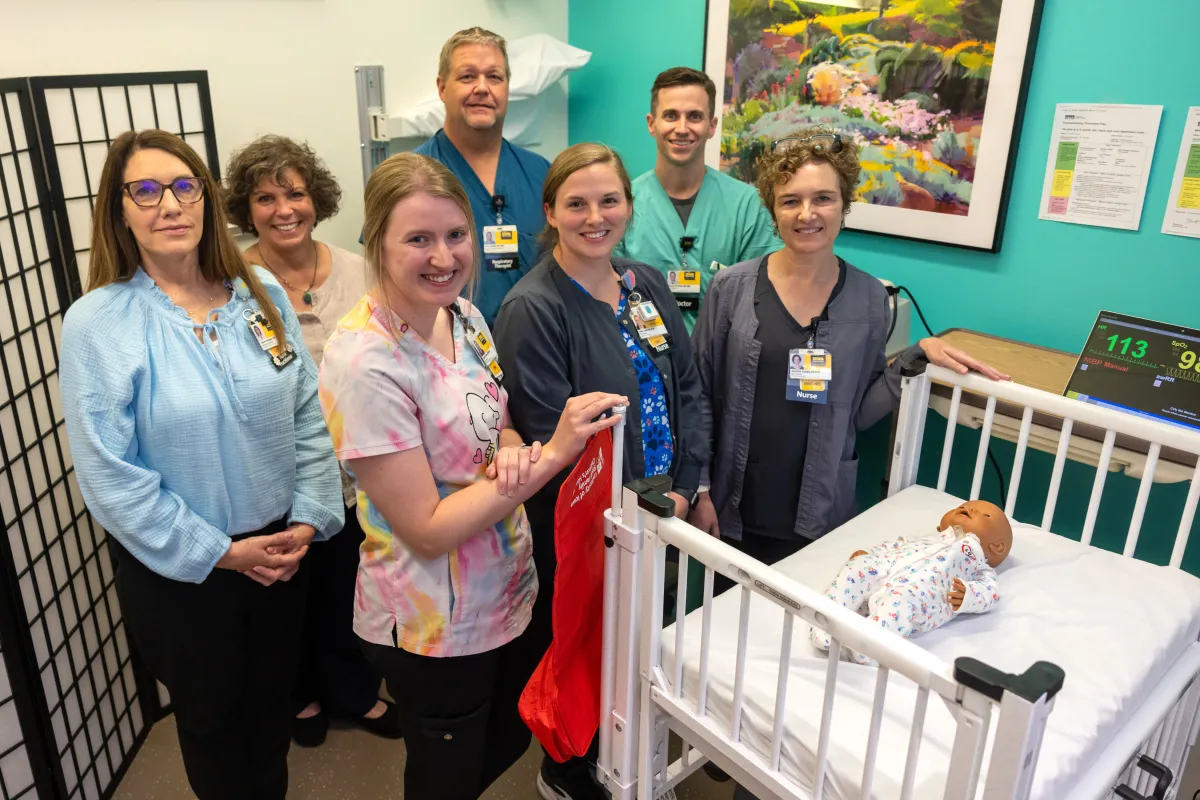
The training team consists of Hinds; Carolina Quintana Grijalba, MD; Janine Petitgout, DNOP, ARNP, CPNP; Mary Denmead; Rachel Mertens, RN; Eric Endahl RT; and Jennifer Endahl, RN. Representing expertise from pulmonology, care coordination, neonatology, respiratory therapy, nursing, and the simulation center, the team saw a need for the training as much of the U.S. faces an increasing need for health care workers, including at home nurses.
“We have all of these really sick, really complex patients, who all deserve the chance at a high quality of life at home,” says Hinds. “And one of the biggest barriers to making that happen is having adequate home nursing to have people trained to care for these kids with trachs, because we're basically replicating an intensive care unit at home.”
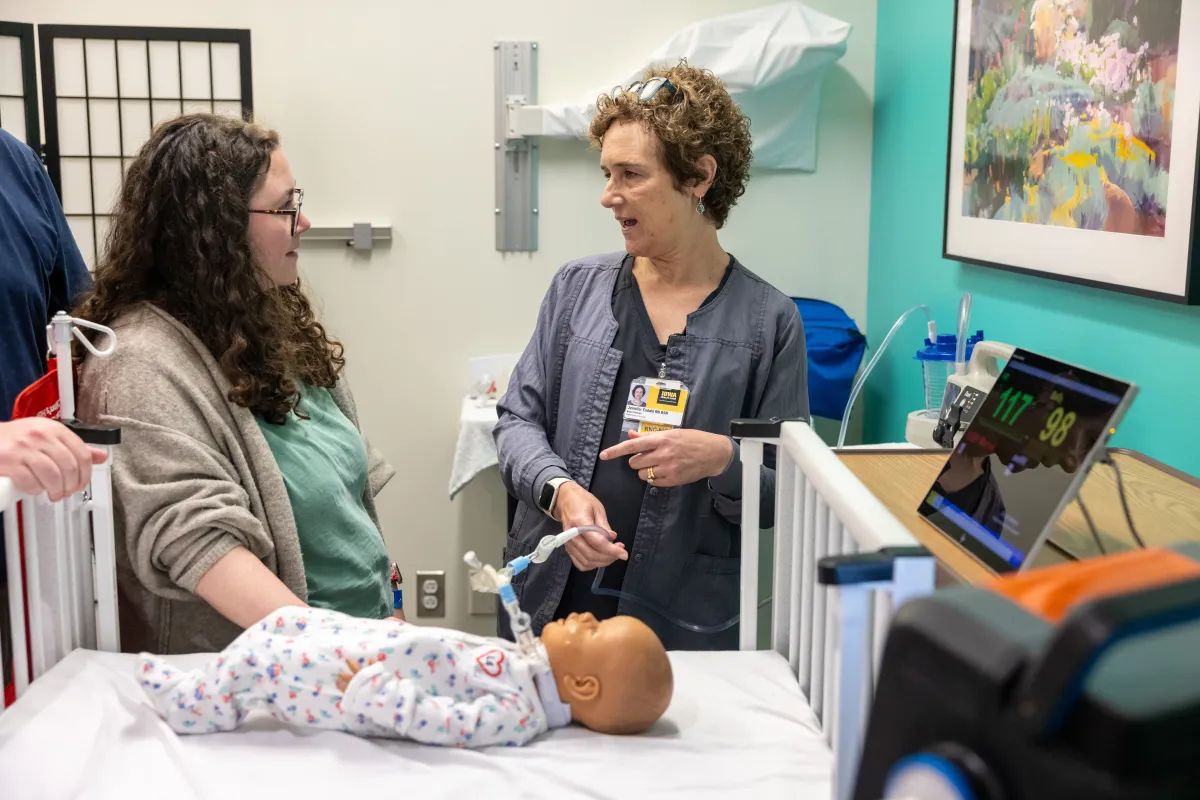
Historically, preparing parents for the challenges of caring for a medically complex child at home has fallen to the Continuity of Care program within the children's hospital. Janine Petitgout, DNP, ARNP, CPNP, leads that team in helping families identify and obtain services during a child's hospital stay, clinic visits, and when they return home. For Petitgout, her team is a “constant connection” for many families.
“Care teams change and many of the kids have multiple services and providers in their lives,” Petitgout says. “We’re often the one call parents start with because they know we can help navigate which physician or specialist to call if their child is feeling ill or, like in this training, have an issue with their trach.”
Training begins almost immediately after a tracheostomy for parents, beginning with the first trach changes so parents get the earliest practice for a responsibility that may fall to them once their child leaves the hospital.
What's next for the training?
The simulation team recently received a grant through the Iowa Wave Shirt Fund to purchase a high-fidelity simulator which includes an extremely life-like mannequin.
“It’s basically a doll that that is animated and can show respiratory distress. It can turn blue or it can give you feedback to make it more realistic and immersive,” Hinds says.
The team is also looking to gather data on the impact the experience has on keeping parents from having to bring their children into a health care setting for the more routine aspects of trach care. They also plan to expand the simulation training to patients with a trach who are going home for the first time from the Pediatric Intensive Care Unit (PICU).
Both Hinds and Petitgout agree that they wouldn’t be able to succeed in this project without support from the community and NICU families, including some who provided their perspective on what trach care is like at home.
“We learn a lot through the eyes of our families that we assist each and every day. I think it’s important to have that parent perspective, to be able to know what doesn't make sense when we thought it did make sense,” Petitgout says. “We share those experiences with the next families to help prepare them to provide the best possible health outcomes for their kids after they leave the hospital.”