Why do I need warfarin?
Warfarin is used for many different medical reasons. Here are some reasons warfarin may be prescribed.
Deep Vein Thrombosis (DVT) and Pulmonary Embolism (PE):
DVTs are blood clots that form in the deep veins of the legs or arms. Part of the clot may break off and go to the lung, causing a PE.
Valve Replacement:
Artificial or mechanical heart valves are very useful in replacing heart valves that do not work well. These valves are not a natural part of your body, so clotting can happen on them. If a clot forms and breaks off, a stroke can happen.
Atrial Fibrillation:
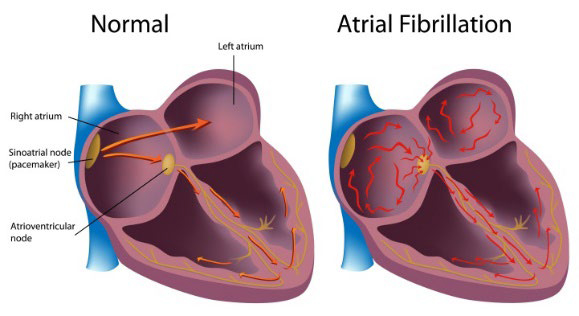
The upper heart chambers (atria) beat in a disorganized way and cause irregular heartbeats. This causes blood to pool, so a clot may form. If these clots break loose, they may travel to the brain and cause a stroke.
Stroke or Cerebrovascular Accident (CVA):
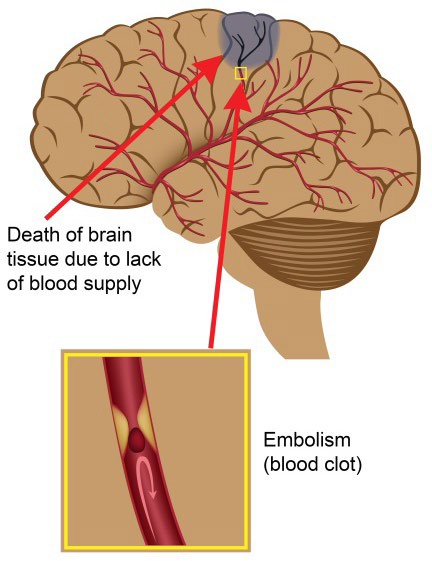
A stroke can happen when a blood clot forms or moves into the brain. A transient ischemic attack (TIA) is a brief stroke that happens when blood flow to the brain briefly stops.
Thrombophilias:
These conditions may raise the risk of blood clots forming in your blood:
- Antiphospholipid antibody syndrome
o Anti-beta-2-glycoprotein 1 antibodies
o Anticardiolipin antibodies
o Lupus anticoagulant - Antithrombin III deficiency
- Factor V Leiden
- Protein C or S deficiency
- Prothrombin gene mutation
Other reasons:
You care team may start warfarin for other reasons.
Warfarin may be used to prevent clots for:
• A left ventricular assist device (LVAD)
• After a joint replacement, like a total knee replacement
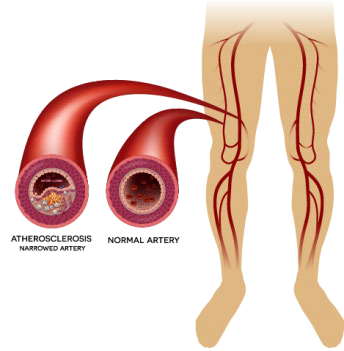
• Atherosclerosis (the hardening of arteries from plaque building up inside them, limiting blood flow)