Recover faster with expert sports medicine care
Whether you're a seasoned athlete or just getting into a new workout routine, injuries happen. Our sports medicine team offers expert care to help you heal quickly, safely, and fully—so you can get back to doing what you love.
Common sports injuries we treat
“We see a wide variety of sports and orthopedic injuries,” says Paul Pursley, PT, OCS, CSCS, clinical supervisor in the Department of Rehabilitation Therapies at UI Health Care. “The most common are large joint injuries like ankle sprains, anterior knee pain, ligament tears that may need surgery, hip and low back problems, and shoulder issues like impingement or instability.”
Even injuries below the elbow are treatable, thanks to a specialized hand therapy team.
Surgery or rehab? How we decide
Deciding whether you need surgery or can recover with physical therapy is a team decision—often involving you, a primary care provider or athletic trainer, a surgeon, and a rehab specialist.
“It really depends on the severity of the injury and how much function is lost,” Pursley explains.
For example, some rotator cuff tears can be treated successfully with rehab, depending on the type of tear and how bad the symptoms are.
“If conservative care isn’t successful, then surgery may be indicated,” Pursley says.
Tools and tech that speed up healing
Recovery has come a long way, and UI Health Care uses the latest tools to help athletes heal smarter and faster.
“We have access to things like biologic injectables, radial pressure wave therapy for tendon issues, hydrotherapy, anti-gravity treadmills, and isokinetic testing,” says Pursley. “These tools help us track strength and customize treatment to your condition and goals.”
What they do
Why physical therapy matters
Pursley admits he’s biased about the benefits of rehab—but for good reason.
“Physical therapy is a really important step in maximizing outcomes after an injury or surgery,” he says.
The right timing and intensity of activity can make all the difference.
“It’s easy to do too much or too little,” Pursley says. “A skilled sports therapist helps you find the right balance to rebuild strength and flexibility—without risking a setback.”
And while doing physical therapy, don’t underestimate the power of what’s on your plate.
“Nutrition and hydration are key,” Pursley notes. “Proper fuel gives your body the energy and building blocks it needs to repair tissue, build muscle, and recover endurance.”

All ages, all skill levels
Our sports medicine specialists are experts in diagnosing and treating injuries like yours.
Tips to recover faster from a sports injury
- Follow your rehab plan closely and attend all scheduled therapy sessions.
- Get enough rest—sleep is when your body does the most healing.
- Eat a balanced diet with plenty of lean protein, healthy fats, and complex carbohydrates.
- Stay hydrated to keep muscles and tissues functioning properly.
- Use ice or heat as recommended by your physical therapist to manage swelling and pain.
- Don’t rush back into activity—let your body guide your pace.
- Ask your provider about advanced recovery tools like hydrotherapy or shockwave therapy.
When are you ready to return?
“We look for progress toward pre-injury levels of strength, flexibility, and movement,” Pursley says.
Limping, for example, is a clear sign that you’re not ready to run yet.
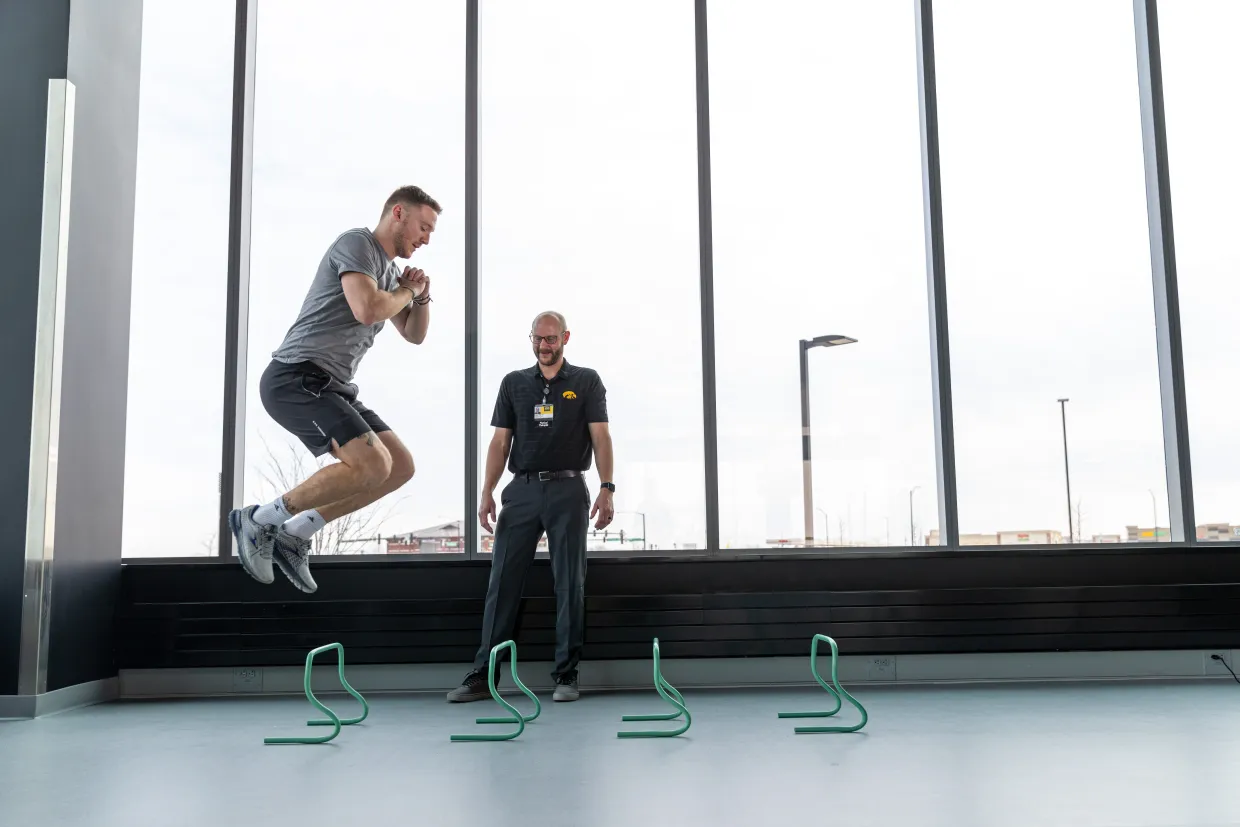
After something like ACL surgery, patients go through a testing process that measures strength on both sides of the body and includes jump tests.
“We want the surgical side to be at least 90% as strong as the other before easing back into sport,” he says.
Preventing future injuries
Want to stay off the sidelines?
“Your best prevention is making sure you fully recover from any past injury before jumping back in,” Pursley says.
Other tips: Ease into new activities, avoid doing too much too soon, and focus on good technique.
“Poor form puts stress on the wrong tissues and raises your injury risk—especially in high-intensity or repetitive sports,” he says.
Care for all types of athletes
You don’t need to be a college or pro athlete to benefit from sports medicine.
“That’s a big misconception,” Pursley says. “Whether you’re walking, hiking, doing your first 10K, or training for a marathon, you can still benefit from the same expert care.”
The rehab plan is always tailored to your goals, your timeline, and your activity level—whether you're racing the clock or just staying active.
“Take your time, listen to your body, and ask for help if you need it,” Pursley says.
A second opinion from a professional can be a game-changer—helping you avoid re-injury and return to your favorite activity feeling stronger and more confident.