Former pediatric cancer patient helps bring NASA experience to today’s patients
After receiving support from Child Life and Dance Marathon during cancer treatment, Dillyn Mumme now hopes to give back to the hospital that helped give him a second chance
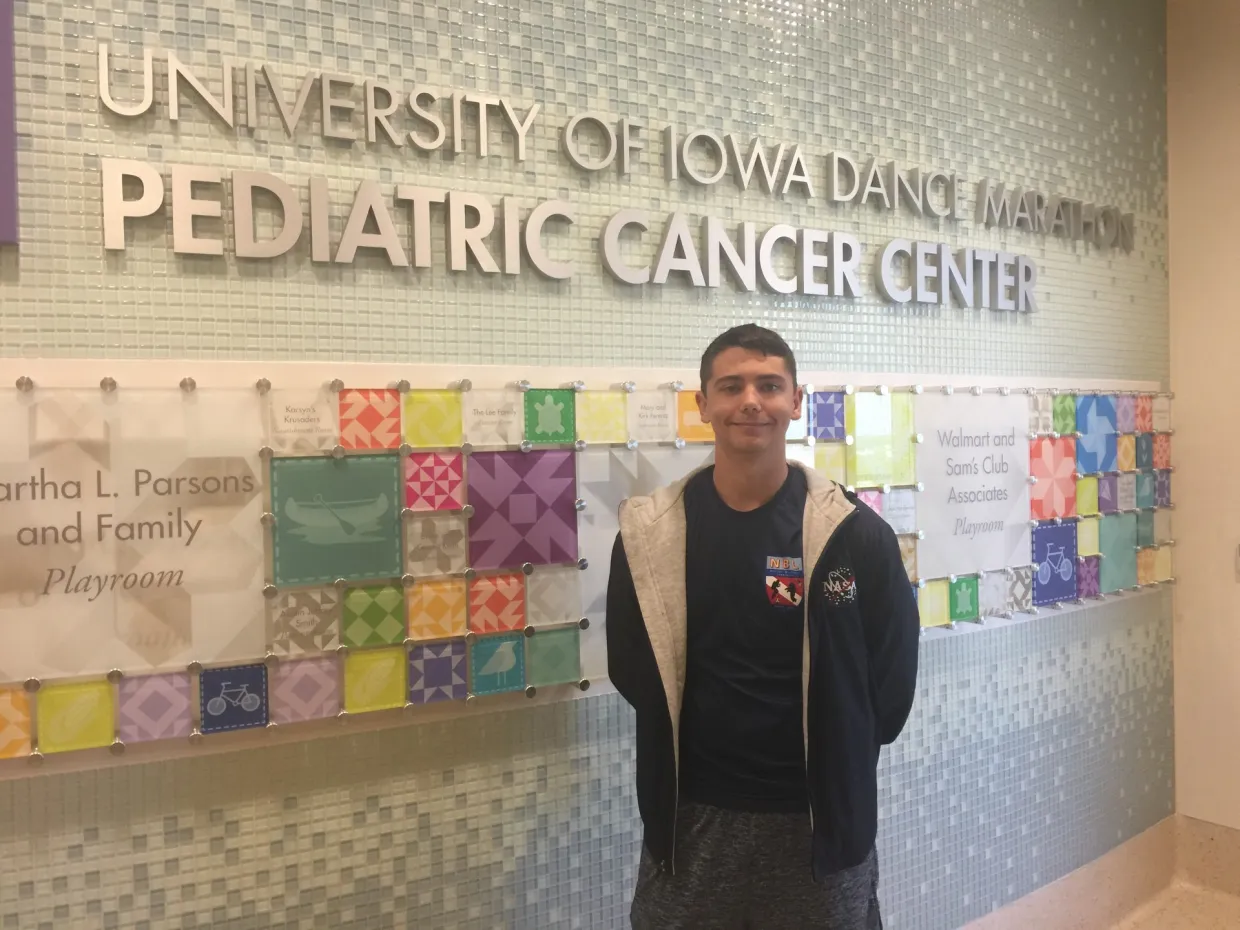
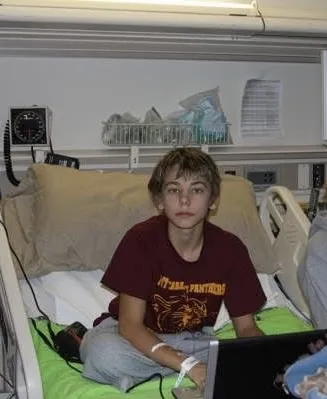
Years before Dillyn Mumme helped plan operations for the International Space Station, he was an eighth-grader going through treatment for high-risk acute lymphoblastic leukemia.
From 2009 to 2012, Mumme’s treatment at University of Iowa Health Care Stead Family Children’s Hospital changed nearly every part of his life. During his first year alone, he missed more than 180 days of school. By the time he graduated, he estimates he had missed close to 300 days. His final treatment was on Mother’s Day in 2012.
During that time, Mumme remembers the people and programs that helped him still feel like a kid.
Child Life specialists organized activities on the pediatric hematology and oncology floor, including movie nights, personal pizzas, and bingo games with prizes. Dance Marathon also became a major part of his life, connecting his family with a larger community of support.
“At that point in time, I was in middle school still. I was still a kid,” Mumme says. “Getting to have some of those kid things back again was very appreciated.”
A growing interest in space
Mumme’s interest in space grew during and after treatment.
After watching the movie “October Sky” in eighth grade, he started thinking more seriously about rockets and space exploration. Growing up in Mount Pleasant, Iowa, he also learned more about James Van Allen, the University of Iowa physicist and Mount Pleasant native who helped discover Earth’s Van Allen radiation belts.
“That space interest started to grow so quickly,” Mumme says. “It became a passion that I continued to feed all the way through college and to where I am now.”
Mumme went on to study aerospace engineering at Iowa State University. Today, he works at NASA’s Johnson Space Center in Houston. There, he is part of a Mission Control team that supports human spaceflight operations, including work with the International Space Station and future Artemis missions to the moon.
For Mumme, that career path was shaped by what he experienced as a cancer patient.
“I decided very early on, since I had to grow up so quickly, that I wanted to do something to give back to humanity,” he says. “I wanted to do something that could help thank all those who helped me and gave me a second chance at life.”
Bringing space to the hospital
Through his role at NASA, Mumme works with crew members and ground teams to help plan what astronauts will do during their missions.
The idea for the hospital’s recent virtual astronaut Q&A started with a conversation between Mumme and a NASA astronaut with a background in MRI-guided radiation therapy for cancer treatment and childhood cancer research.
“I wanted them to see that no matter what life throws at you, you can still go after your dreams and aspirations,” he says.
Mumme reached out to Janice Staber, MD, the pediatric hematologist-oncologist who treated him throughout his cancer journey. He connected the hospital with NASA’s Public Affairs Office. From there, the idea began to take shape with the hospital and NASA teams.
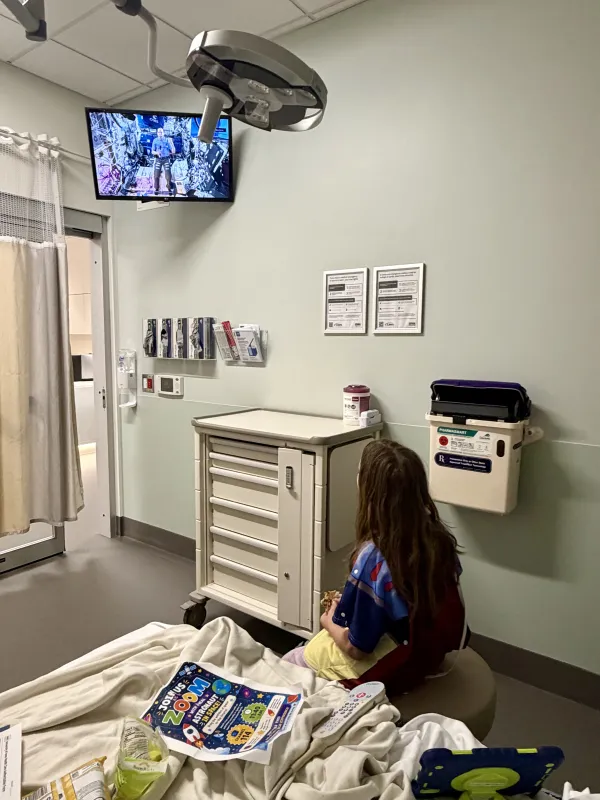
During the virtual event, patients at Stead Family Children’s Hospital were able to ask NASA astronaut Chris Williams questions about life in space.
For Mumme, watching the event brought back memories of his own time in the hospital.
“It made me tear up a little bit a couple of times,” he says. “I could kind of picture in my mind the kids watching it from my view of what the hospital rooms used to be. It took me back.”
Giving back
Mumme’s connection to the hospital continued after treatment. Around the time he graduated from high school, his community raised money to support Dance Marathon and Child Life. Because Mumme knew he was heading to Iowa State to study aerospace engineering, he and his family wanted to do something space-themed.
They donated a telescope for patients to use.
“What better way to kind of get away from the hospital when you can’t get away from the hospital than to go and look at the planets and the stars?” he says.
Mumme still shares a bond with the doctors and nurses who played a role in his care, including staying in touch with Staber. When he returns for checkups every two years, he visits the hematology and oncology floor to see whether any of the nurses he knew are still there.
“I just had this thought one day of, ‘How impactful would it be if we could have an astronaut talk with the kids in the hospital?’” Mumme says.
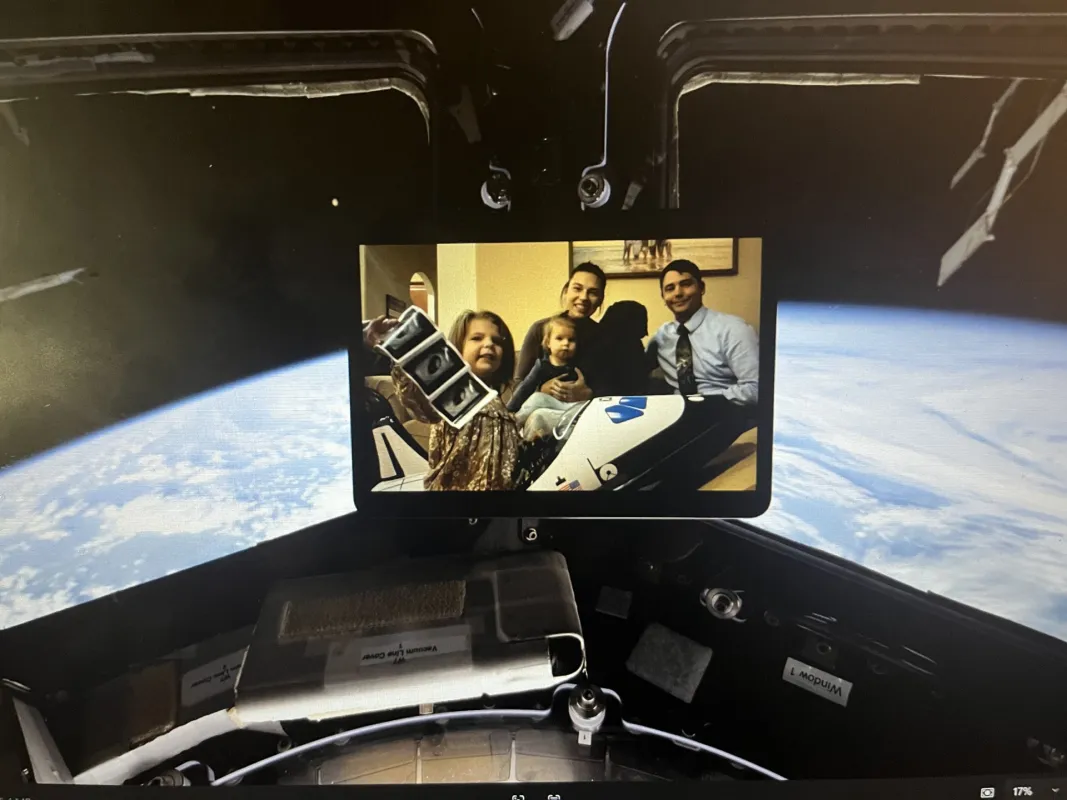
Years later, teaming up with the Child Life team to help bring an astronaut Q&A to patients became another way for Mumme to give back.
“Without Child Life and Dance Marathon, I definitely would not have been the person I am today,” he says. “Without Stead Family Children’s Hospital, I would not have gotten the life-saving treatment I got.”
For Mumme, giving back means sharing his time, his perspective, and the possibility of what life can look like after treatment. Through outreach in classrooms, virtual events, and in-person experiences at NASA’s Johnson Space Center, he enjoys helping children engage with space exploration.
“I just enjoy getting to see the kids’ faces light up with joy,” he says.