Cedar Rapids family grateful for every day with Kid Captain
When she was just a baby, Gwendolyn Clouse, the third Kid Captain of the 2025 Iowa football season was diagnosed with a rare and progressive disease.
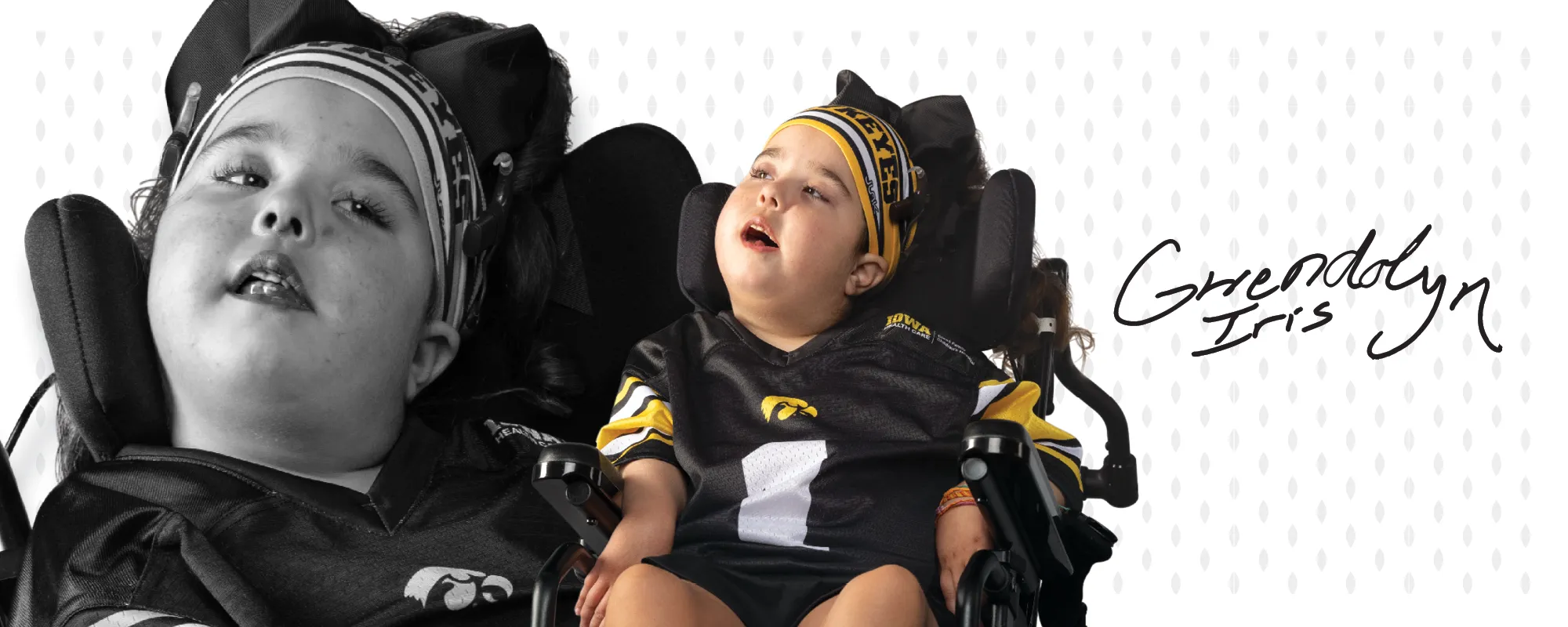
Gwendolyn Clouse’s parents weren’t sure if she would survive past her first birthday.
When she was just a baby, Gwendolyn was diagnosed with a rare disease, peroxisomal biogenesis disorder-Zellweger spectrum disorder (PBD – ZSD), which affects the body’s metabolism. PBD-ZSD is a multi-symptom condition that affects all major organs of the body and is considered fatal.
Despite the prognosis, Gwendolyn, now 7 years old, has beaten the odds, overcoming countless health challenges with the help of her care team at University of Iowa Health Care Stead Family Children’s Hospital.
“Every single day we have her is just an absolute miracle,” her mother, Natalie Clouse, says.
Search for answers
Natalie Clouse and her husband, Phillip, say there weren’t any initial signs that their baby girl would have any health issues. Her mother says it was a “picture-perfect pregnancy.” Gwendolyn was born full-term but stayed five weeks in the neonatal intensive care unit of a local hospital, due to difficulty eating and breathing and because she had an abnormally large fontanelle, the gap in a newborn’s skull, commonly called a soft spot.
“They knew something was not quite normal, but they didn’t know what it was,” Clouse says.
It wasn’t long before her pediatrician recommended Stead Family Children’s Hospital.
“I looked at her, and she looked perfect to me,” Clouse says, making it hard to comprehend her infant daughter had serious health issues.
At about 3 months old, Gwendolyn was admitted to the children’s hospital, undergoing a variety of tests. Unfortunately, the only answer they found was that Gwendolyn’s eyes weren’t working properly. The other tests were once again inconclusive, and Gwendolyn was discharged after 10 days in the hospital.
A few days after returning home, Clouse received a phone call from the hospital, asking that she schedule an appointment to discuss Gwendolyn’s diagnosis with a genetics specialist.
Desperate for answers, Clouse asked to be told the diagnosis over the phone.
“The woman I spoke with said Gwendolyn has a metabolic disorder and I thought, ‘We can handle that,’” Clouse recalls. “I said, ‘How do we treat it?’ and she said, ‘There is no treatment.’”
“I said ‘Is my baby going to die?’ And she said, ‘It’s a terminal condition.’”
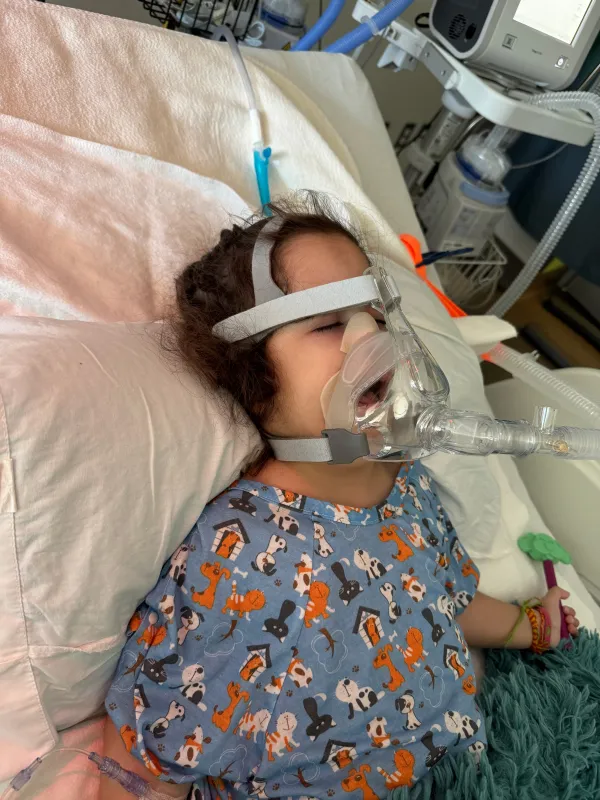
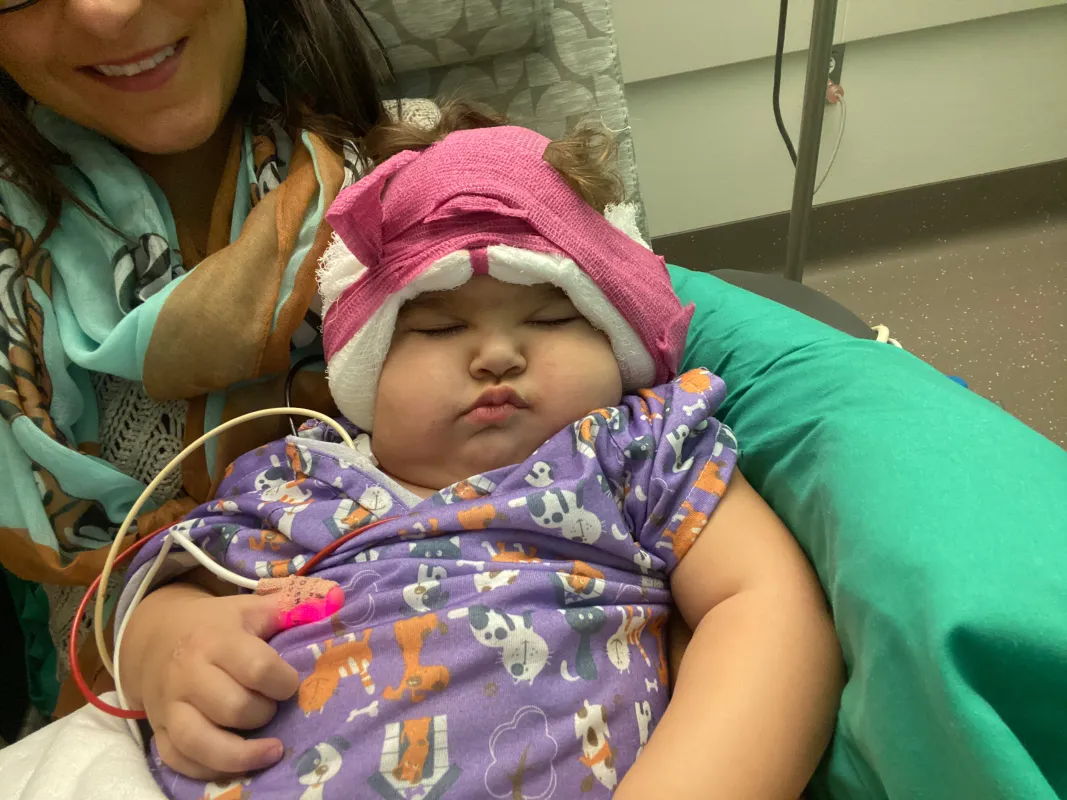
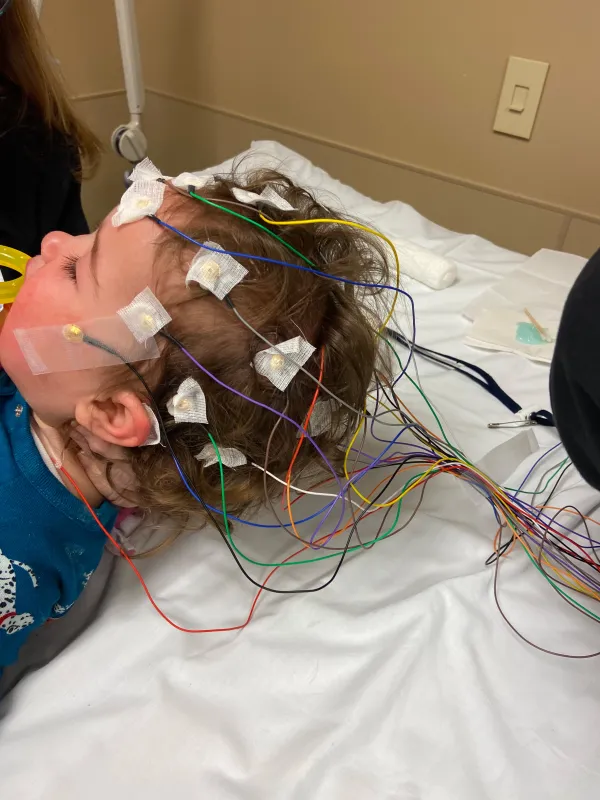
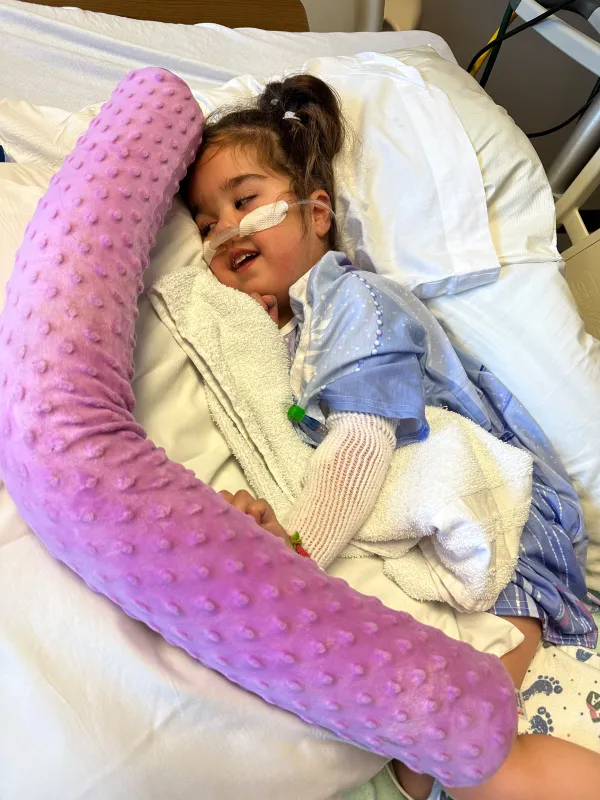
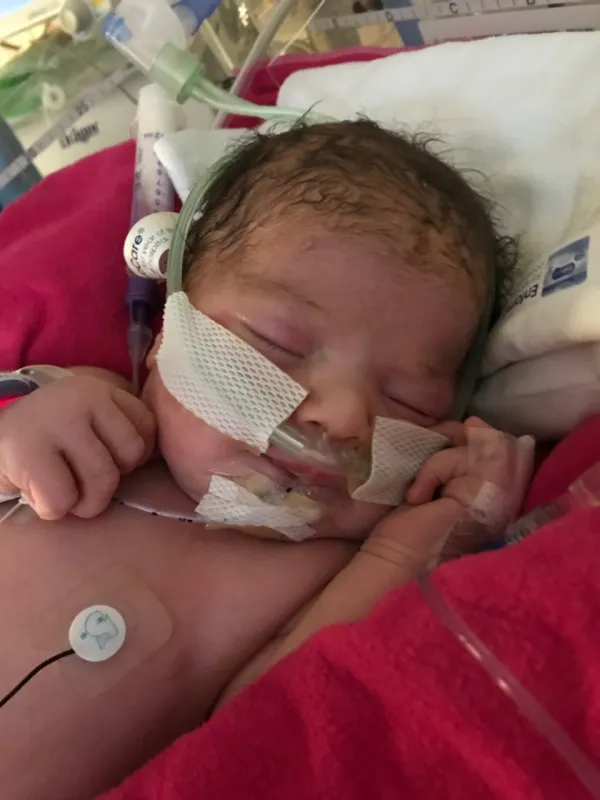
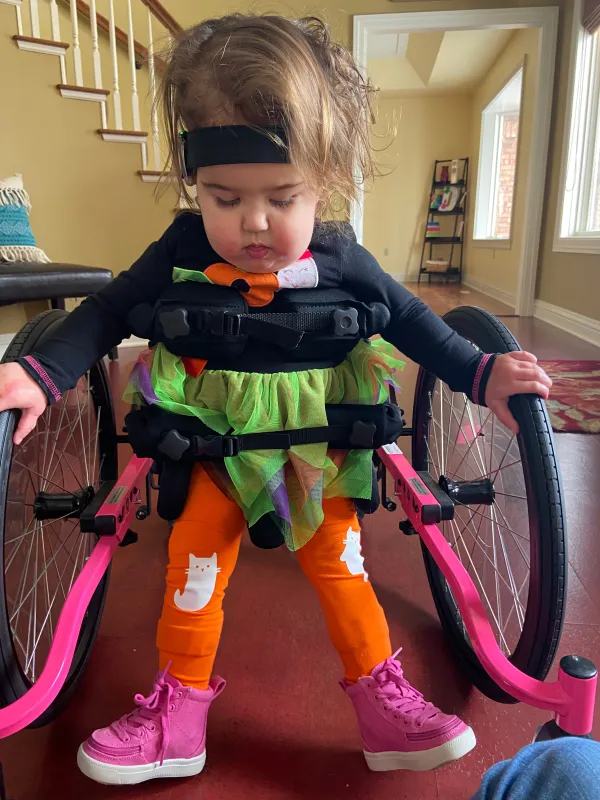
Gwendolyn’s parents were rocked with news that seemed impossible and tragic. “I just didn’t understand how there couldn’t be some way to fix it,” Clouse says. “I couldn’t imagine how this perfect little girl could be so sick.”
Gwendolyn was diagnosed with Zellweger Spectrum Disorder, a specific type of peroxisome biogenesis disorder with no treatment. The severe cases, diagnosed during infancy, often do not survive their first year.
“Every cell in our body has a peroxisome in it. With her disorder, her peroxisomes don’t work, so virtually every body system is impacted,” Clouse explains.
Peroxisomes play a crucial role in various metabolic processes within the body, including breaking down fatty acids and detoxifying cellular waste.
The benefits of thinking outside the box
After additional tests showed serious problems with her liver, Gwendolyn was eventually diagnosed with stage IV liver disease. They also discovered she was losing her hearing, and at around 18 months old, Gwendolyn received her first hearing aids. Then, as her hearing loss progressed, the young girl began using bilateral cochlear implants.
Early in 2020, when she was almost 2, Gwendolyn began having seizures, which progressively worsened. Doctors desperately searched for a medication that would minimize the young girl’s seizures.
Side effects of prednisone, a steroid used to treat a variety of conditions, made Gwendolyn “absolutely miserable,” her mother recalls. As the seizures continued, Gwendolyn was prescribed a different medication, which yielded similar results.
Finally, Gwendolyn’s dietitian and neurologist put her on a ketogenic diet with different medications. “And it worked,” Clouse says, adding the neurologist did a “happy dance” upon hearing Gwendolyn’s seizures had subsided.
Gwendolyn later began using a gastrostomy tube, which, her mother says, “has been the biggest blessing,” and a ventilator at the recommendation of a pulmonologist.
“The ventilator has been a game changer,” Clouse says. “That machine alone has kept her out of the hospital probably 30 times. Again and again, someone would think outside the box, and it would work.”
Her liver disease causes slow bleeds in her abdomen, leading to visits with a hematologist for blood checks and iron and blood transfusions. She also sees a nephrologist to monitor her kidney function.
“If we didn’t live this close, we’d have to move,” Clouse says of frequent trips from their home in Cedar Rapids to Iowa City. “It’s a progressive disorder; she’s had more and more health problems. There’s just nowhere else equipped to treat her and her complexities.”
And while Gwendolyn’s parents were initially hesitant to seek palliative care, Clouse says “through it all, our palliative care doctor has walked beside us to make sure that Gwendolyn is living her best life.”
‘Good morning, Gwendolyn’
Gwendolyn enjoys school, which Natalie calls “her favorite place in the entire universe.” She communicates with the help of a tactile board and has learned a number of words.
Every morning, after putting on her cochlear implants, her mother repeats the same greeting to her — “Good morning, Gwendolyn Iris. Mommy loves you” — and every morning, Gwendolyn’s face lights up. Her 3-year-old brother now repeats the phrase to tell Gwendolyn he loves her, too.
“She loves it,” Clouse says. “She absolutely adores him, and he thinks she’s the best.”
Now 7 and in first grade, Gwendolyn enjoys spending summer days at the pool, snuggles, and feeling the breeze on her face, especially the blast of cold air at the Sam’s Club walk-in cooler, which always makes her laugh.
“I don’t know that there’s much she doesn’t love,” Clouse says. And although Gwendolyn’s health declines as the disorder progresses, her mother says, “She’s so happy and so sweet. I’ve never seen someone who meets her who hasn’t fallen in love with her.”
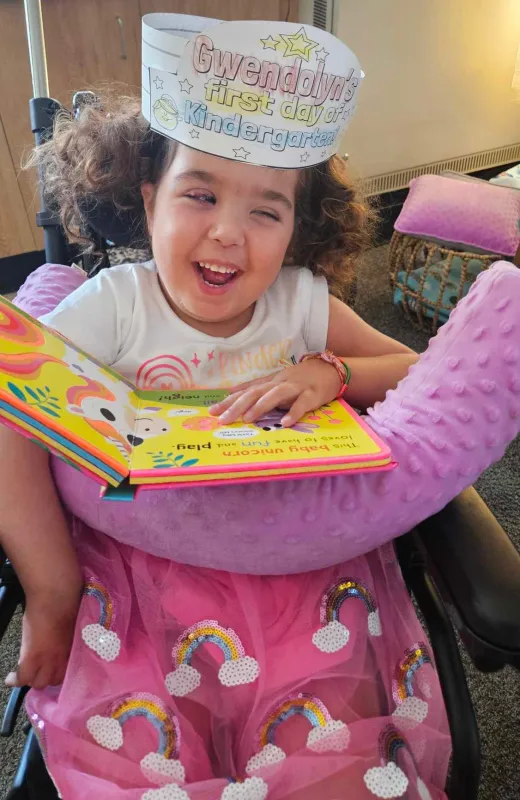

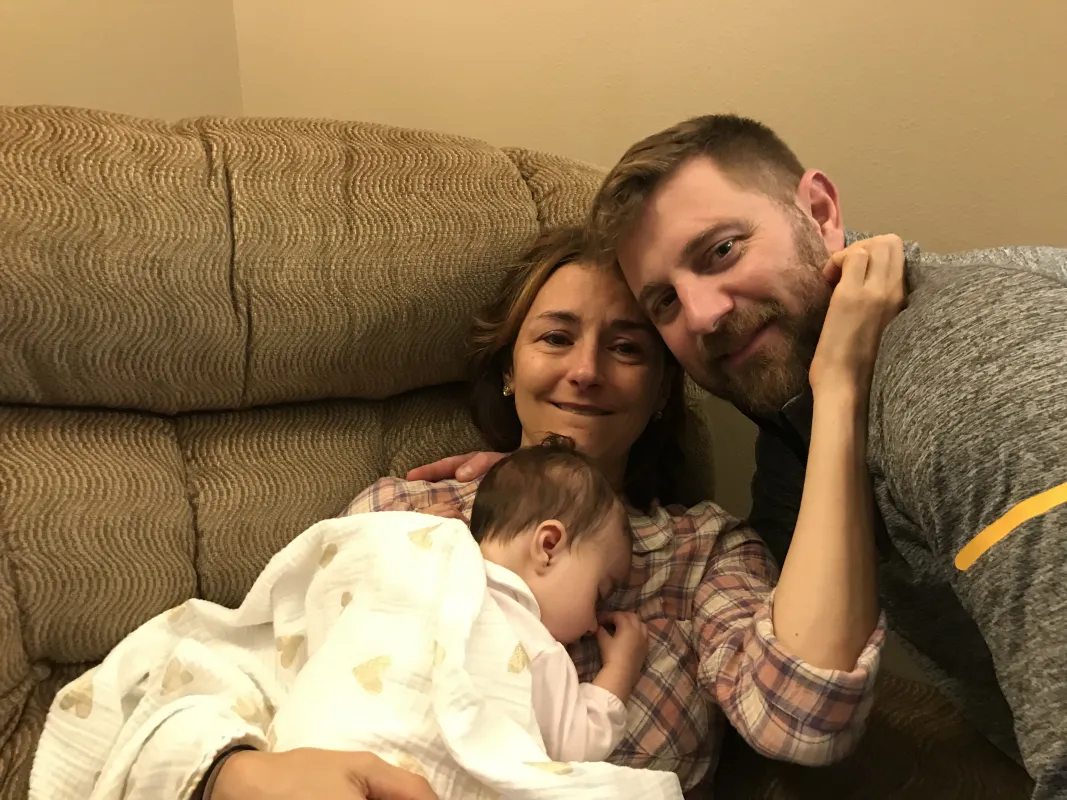
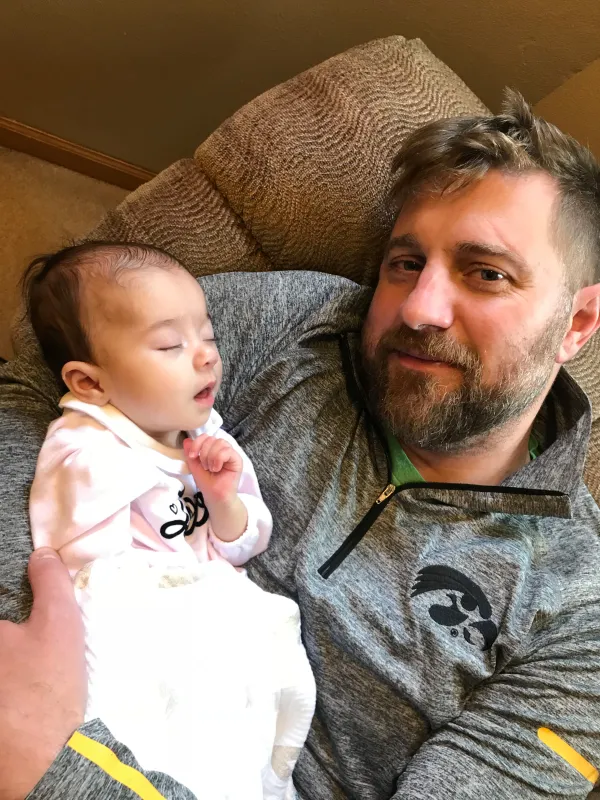

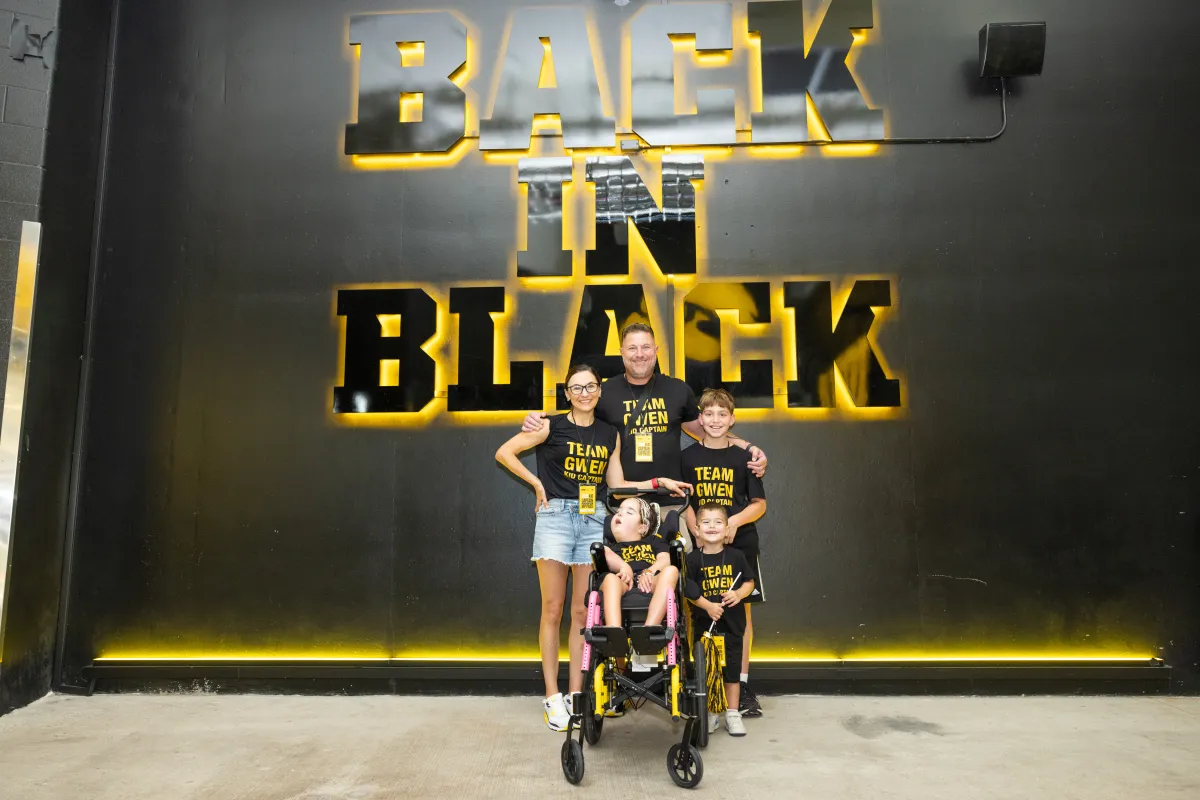
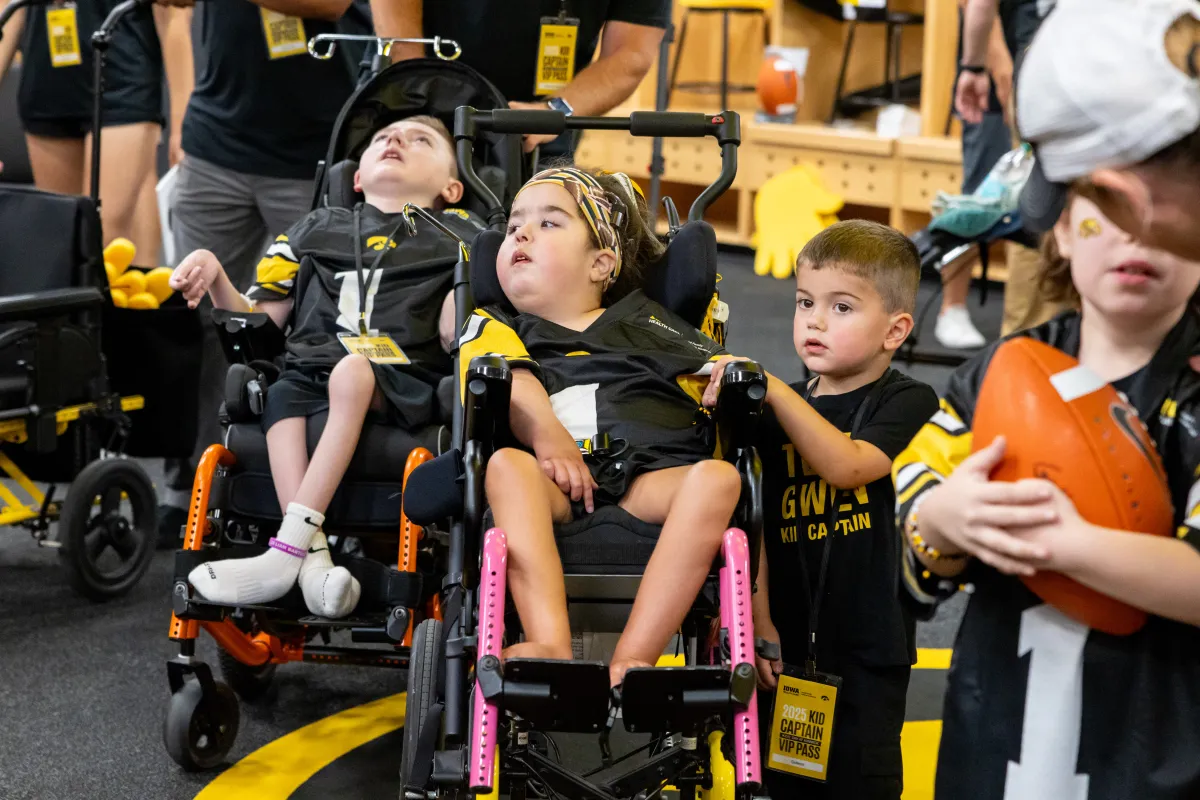
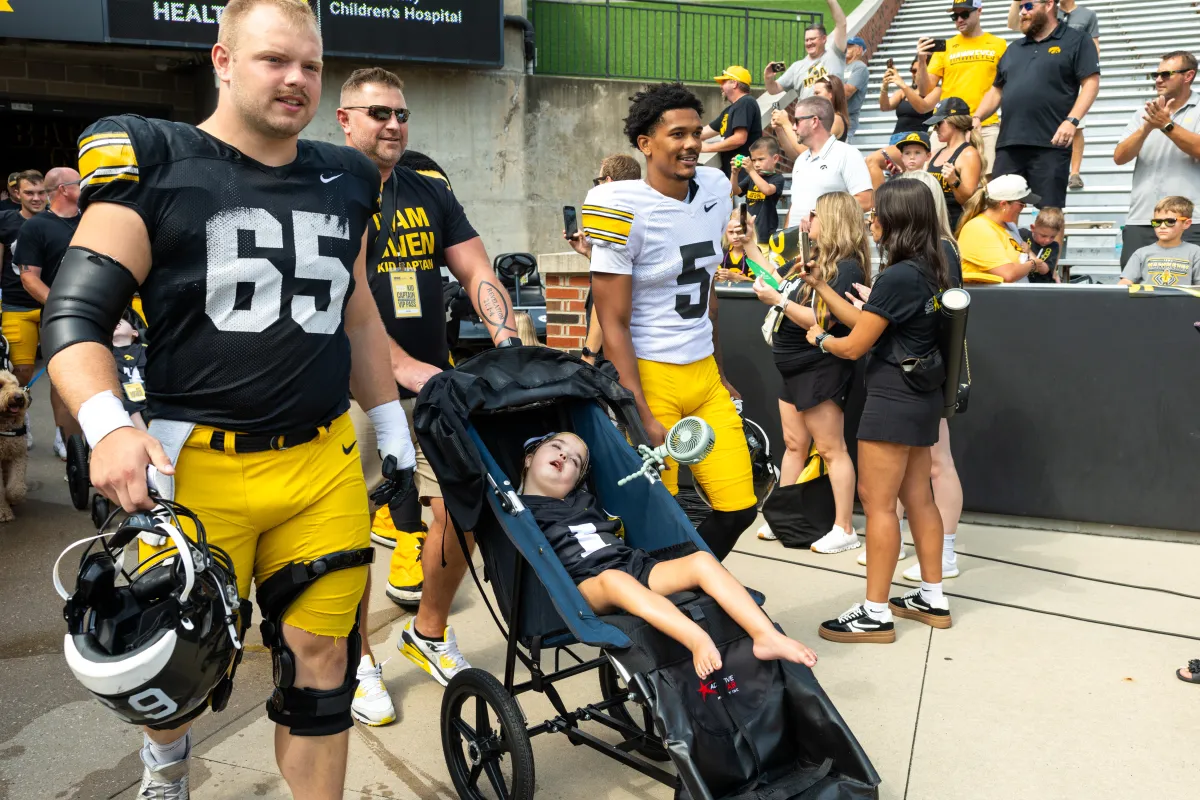
Photos from Kids Day 2025
Kid Captain Hall of Fame
Each football season, we welcome 12 unforgettable patients into our Kid Captain Hall of Fame. Explore our four most recent stories.
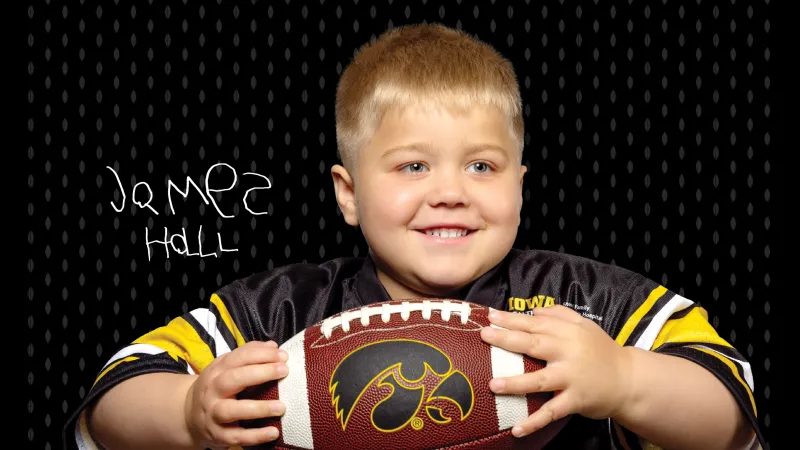
James’s earache turned out to be something far more serious, launching a complex medical journey at Stead Family.

Stead Family Children’s Hospital saves Kid Captain Nolan Stevenson after near fatal farm accident.
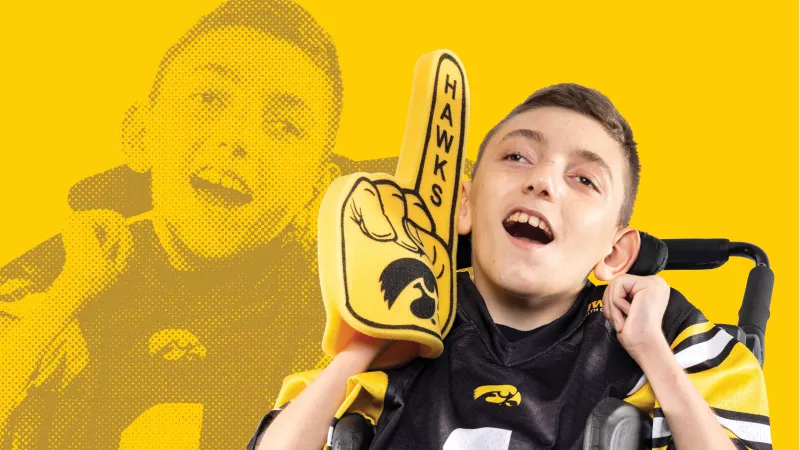
Lukas was diagnosed with neonatal alloimmune thrombocytopenia, a rare condition resulting in a low blood platelet count.
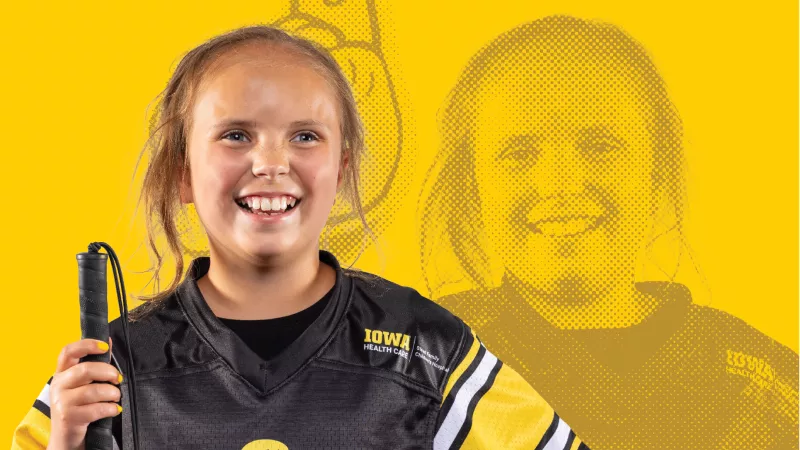
Raelyn’s harrowing health care journey started two weeks before her sixth birthday, when she started to lose her balance.
Patient Stories