Indianola Kid Captain seizure free after surgery disconnects half his brain
Surgery helped where medications failed in stopping the 20+ seizures Ray Walker experienced every day
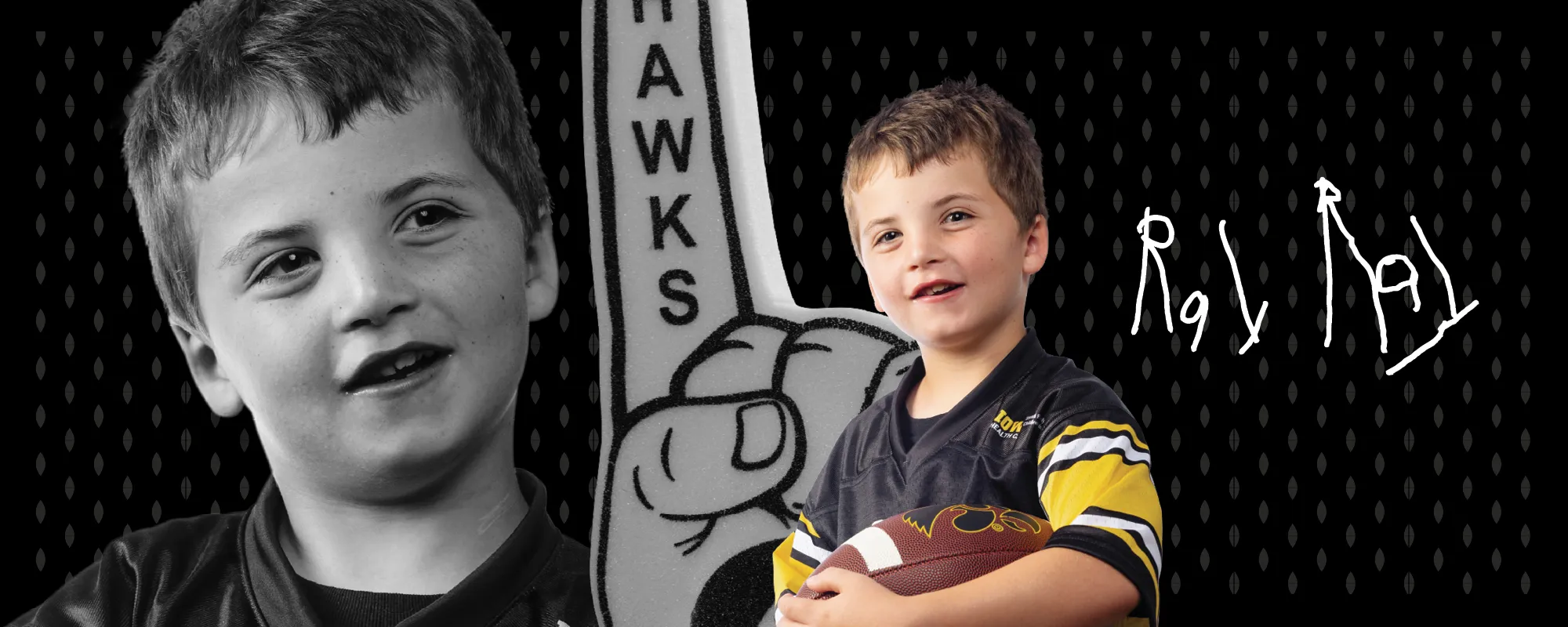
After multiple misdiagnoses, Ray Walker’s parents saw a "night and day” difference in their son’s care after arriving at University of Iowa Health Care Stead Family Children’s Hospital.
When he arrived, Ray was averaging close to 20 seizures a day from focal epilepsy, a neurological condition that affects just part of the brain.
“He was born four weeks early, but he was almost 7 pounds and perfectly healthy,” Ray’s mother, Cassi Walker, says of his birth at their local hospital. “Up until 4 months old, he was your typical baby.”
At his 4-month appointment, a local pediatrician wanted Ray tested for Down syndrome, but the DNA test came back negative. The family now sees it as a sign of what was to come.
“Looking back, that doctor had suspicions of something,” Cassi Walker says. “She just didn’t know what it was.”
A series of misdiagnoses
At 6 months, a new pediatrician noticed that Ray’s head circumference was ahead of what it should be and referred the couple to specialty care.
Ray’s parents also noticed he would occasionally jerk his arm or have other unusual body movements, and results from an MRI detected what appeared to be a mass in his brain, “so they were looking at a possible tumor,” Cassi Walker says.
Further tests showed Ray didn’t have cancer as initially suspected, but he was born with a brain abnormality that caused seizures.
At 10 months old, Ray was misdiagnosed at a local hospital with Myoclonic seizures which doctors attempted to treat with various medications to no avail.
It was then the family discovered that Ray had been prescribed an incorrect dosage of medication. The toddler was given a detox protocol, and the family was referred to Stead Family Children’s Hospital.
Night and day difference
After several stressful months, the couple longed for answers and comfort from their care team. Thankfully, Ray’s parents felt almost instantly at ease after arriving in Iowa City.
“At that point, we had so many misdiagnoses leading up to it,” Cassi Walker says. “Our first interaction here was a night and day difference. Everybody at the children’s hospital was understanding and knowledgeable.”
Further tests indicated that Ray had focal epilepsy. His parents were advised that brain surgery offered the best chance to resolve the seizures that were dramatically affecting one side of his brain.
Still reeling from the rollercoaster of misdiagnoses, the couple sought a second opinion with top pediatric neurosurgeons in Washington, D.C., who confirmed what the specialists at Stead Family Children’s Hospital said: surgery was Ray’s best option.
Ray averaged 20 seizures per day just a month before the surgery, and while medication temporarily stopped the seizures, Cassi Walker says it had serious side effects “and it didn’t fix the problem.” They also met with a dietitian, as Ray was placed on a ketogenic diet.
The surgery, called left functional hemispherectomy, disconnected one side of his brain from the other and lasted more than 12 hours.
“One thing we love about the Stead Family Children’s Hospital is that everyone there is so compassionate,” Cassi Walker says, sharing how the front desk attendant worked late during the surgery, so the family didn’t have to leave the waiting room when the office closed. “I think about her often. She stayed late so we wouldn’t have to pack up and move. I just don’t think she realized how much that meant to the family when we’re going through the worst time of our life.”
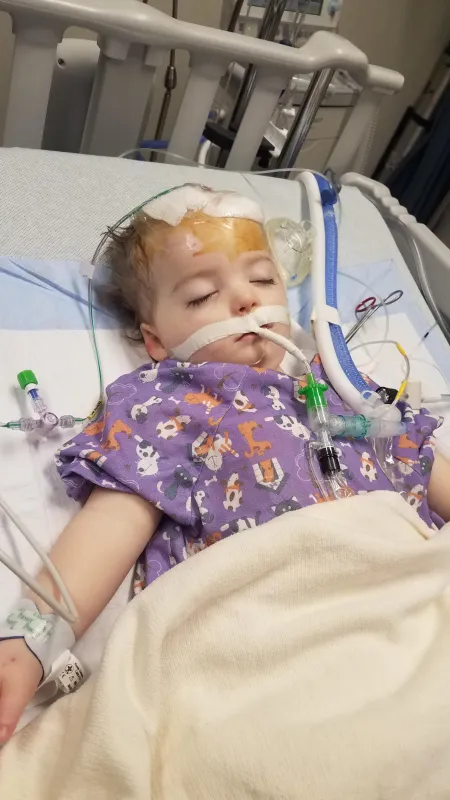
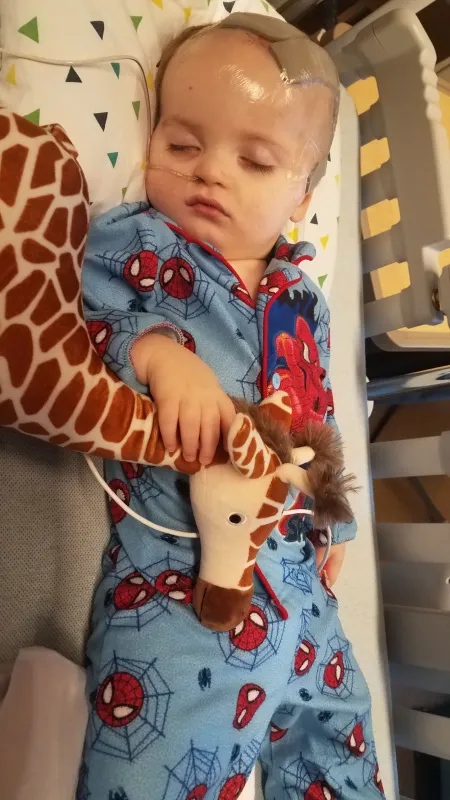
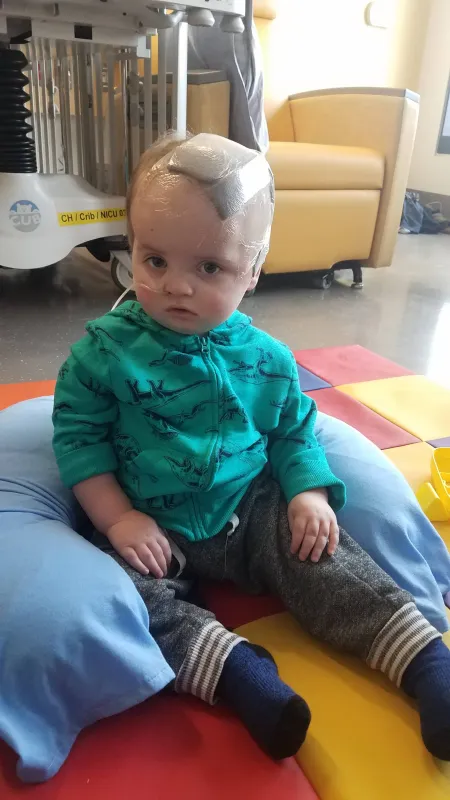
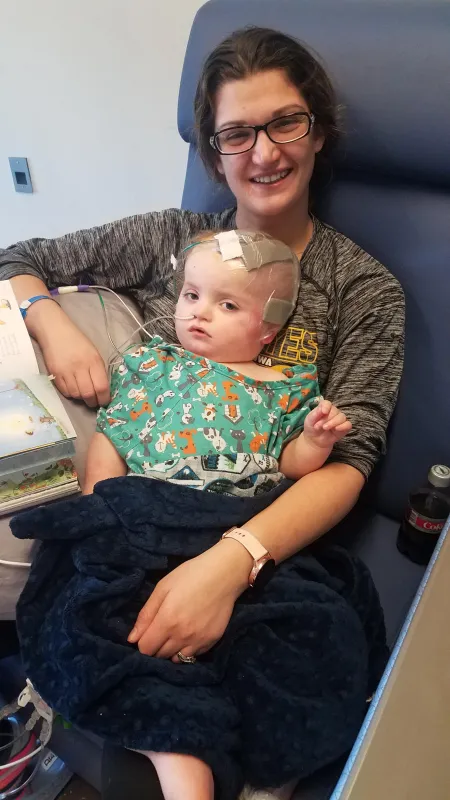
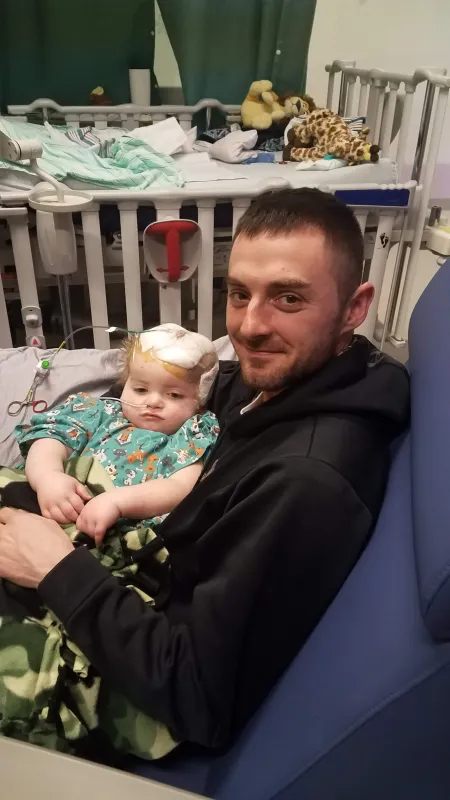
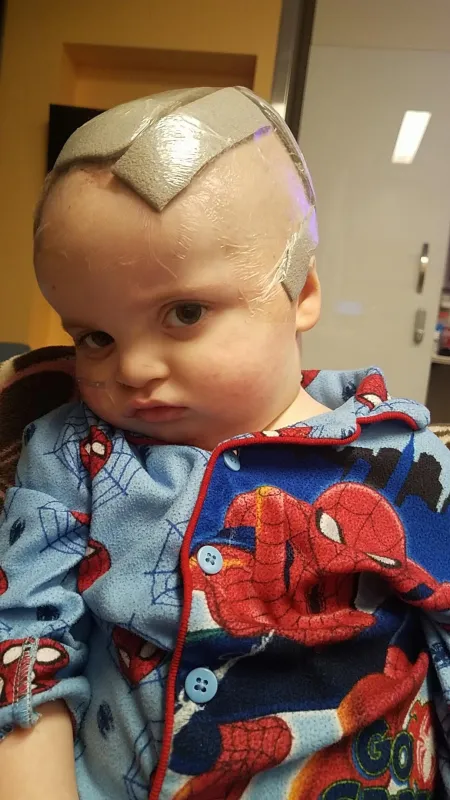
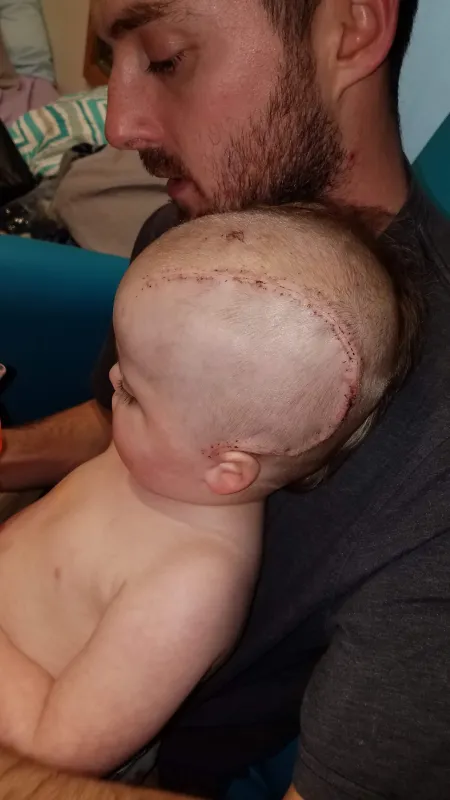
After a worry-filled wait during the lengthy surgery, Cassi Walker and her husband, Nate, were taken aside by pediatric neurosurgeon, Brian Dlouhy, MD, who told them the operation was a success.
“I remember coming out of the room, just bawling, and my family wondered what was happening,” the young mother recalls. “Through my tears, I was able to give a ‘thumbs-up’ and the whole room started cheering, even the receptionist.”
The operation successfully stopped the seizures. As expected with this life-saving operation, because one hemisphere of his brain was disconnected or “turned off,” Ray experienced weakness on the right side of his body, loss of function in his right hand, and loss of vision on the left side.
Progress after surgery
Though worried about his condition after the surgery, days later, Cassi Walker watched Ray insert a star-shaped piece in the correct spot in a shape-sorter toy — something he had previously been unable to do — which demonstrated cognitive thinking.
“That’s when I knew we made the right choice,” she says. “From there forward, he has continued to progress.”
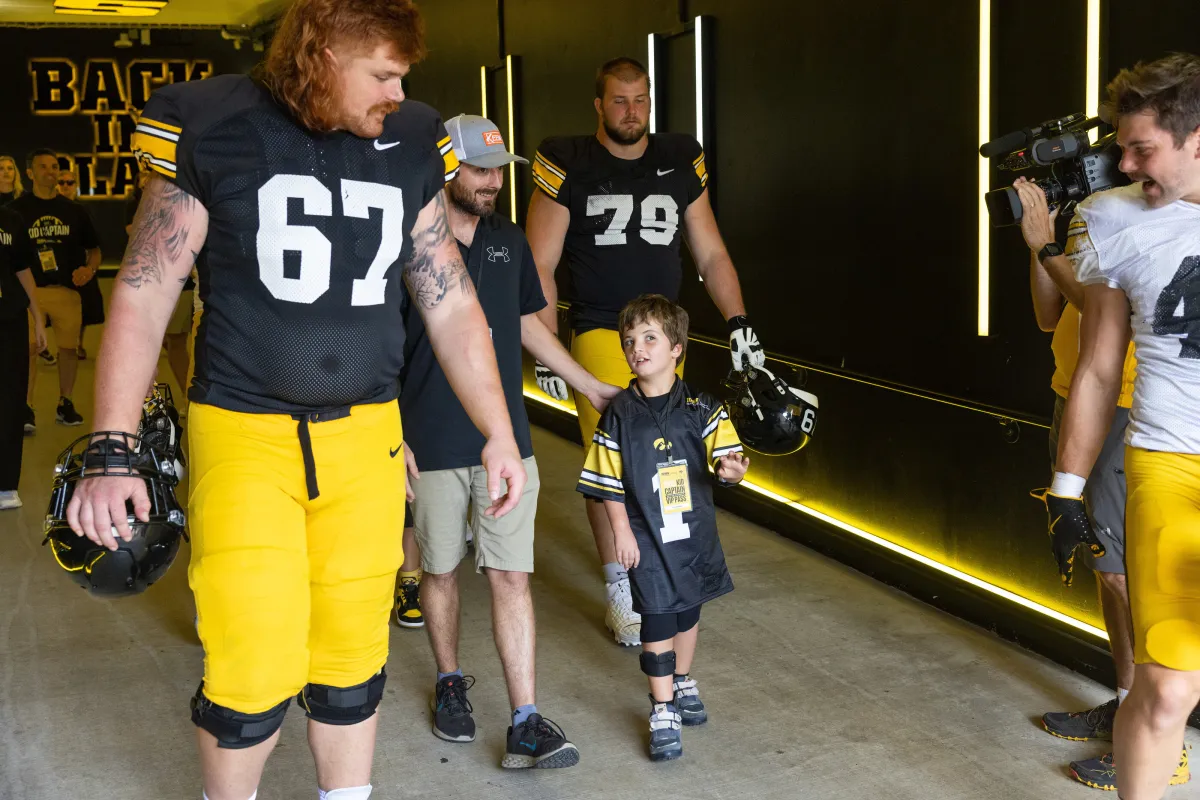
Now 7 and in second grade, the Indianola boy loves books, school, riding his go-cart, and playing outside with his dogs and goats on the family’s acreage.
“He’s very social. I don’t think he’s ever met a stranger,” Cassi Walker says. “His teacher said if someone is playing by themselves or doesn’t have a friend, he’ll be that friend.”
Ray has been seizure-free for five years and uses a leg brace to help him walk. He returns regularly to Stead Family Children’s Hospital for checkups.
“Stead Family Children’s Hospital saved our son’s life,” Cassi Walker says. “We live two hours away and it’s worth the drive when we need it.”
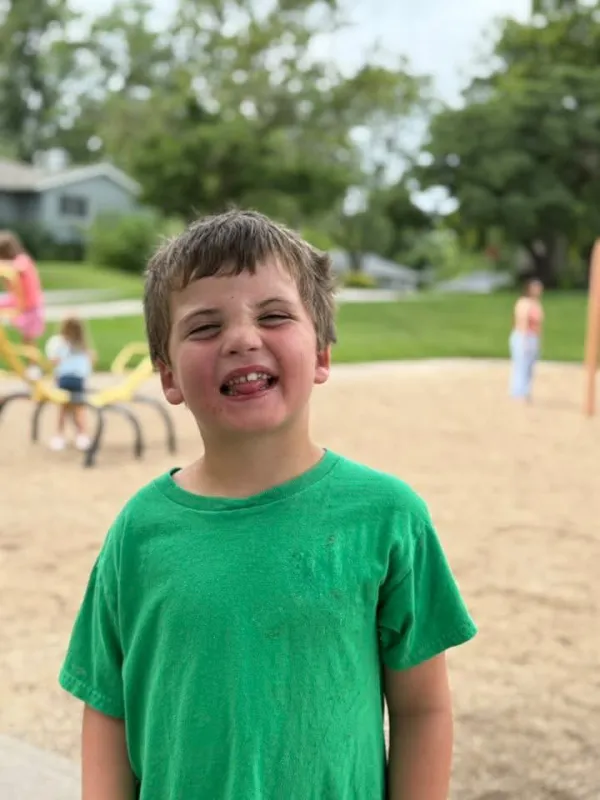
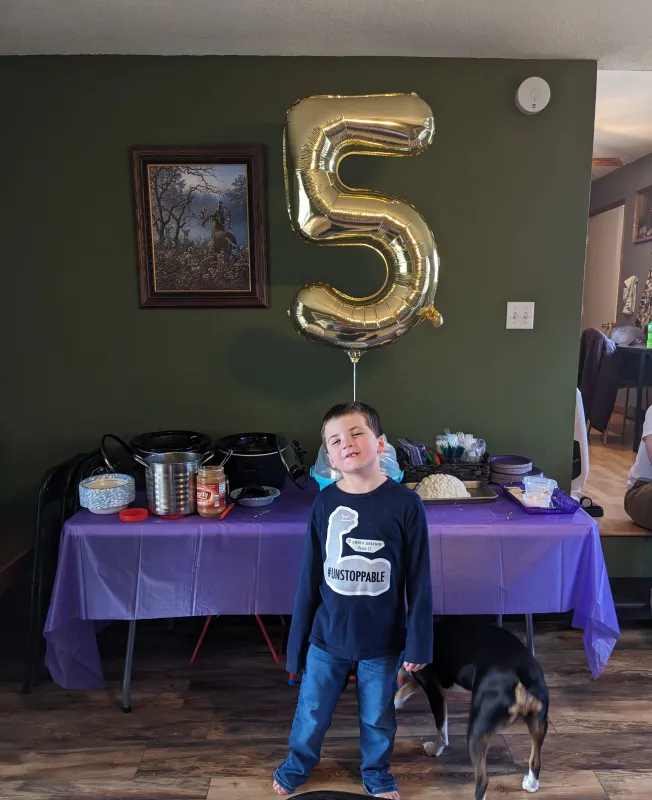
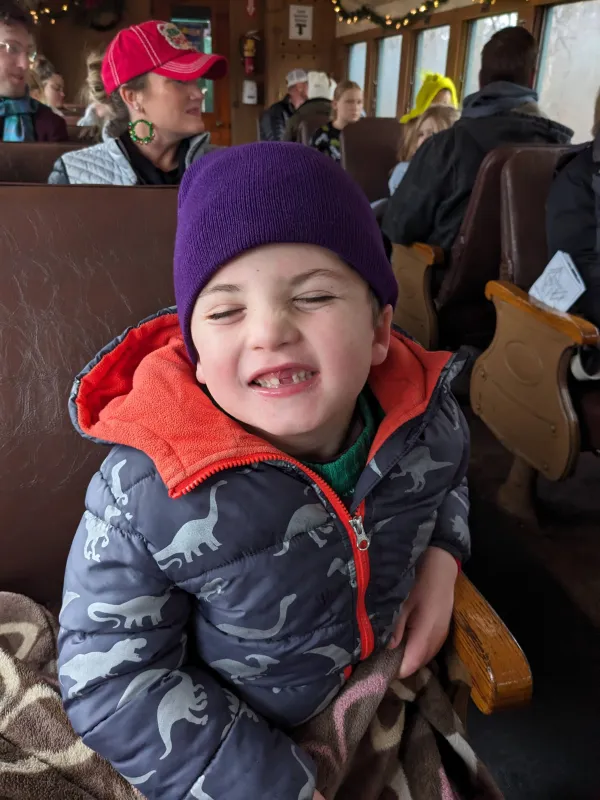

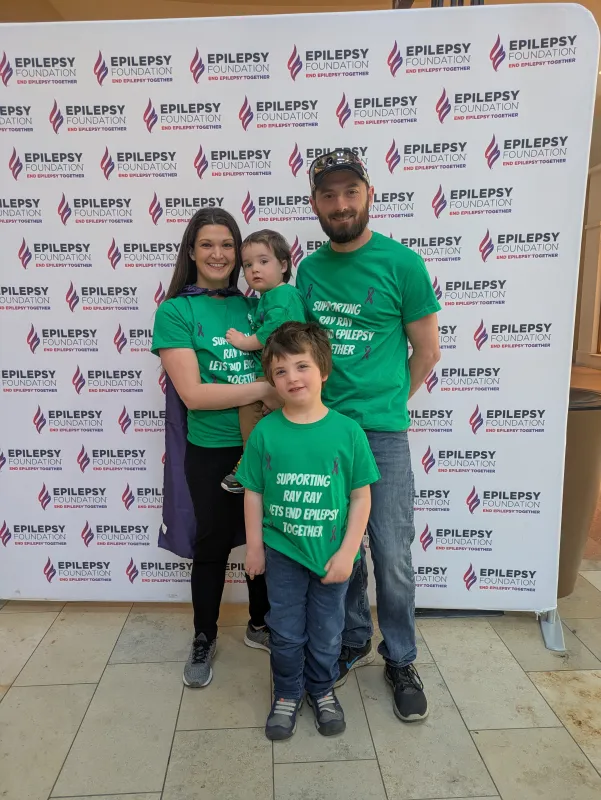
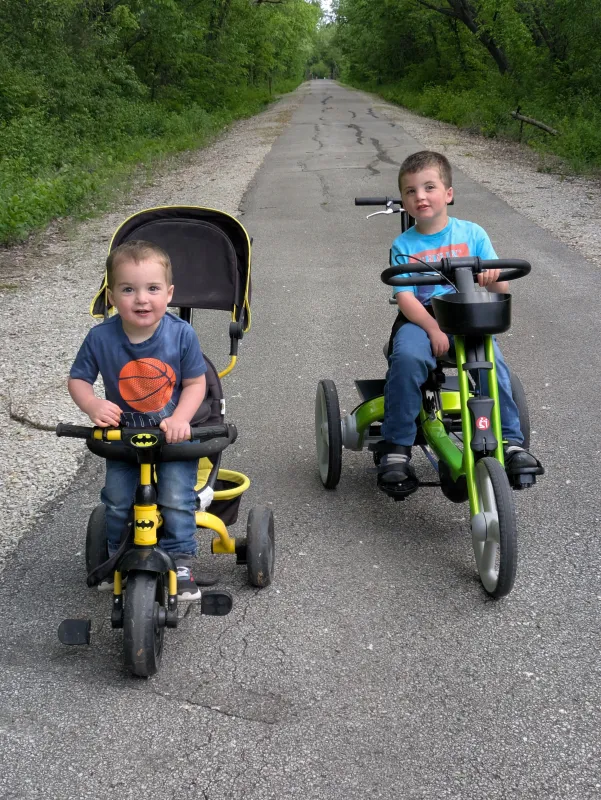
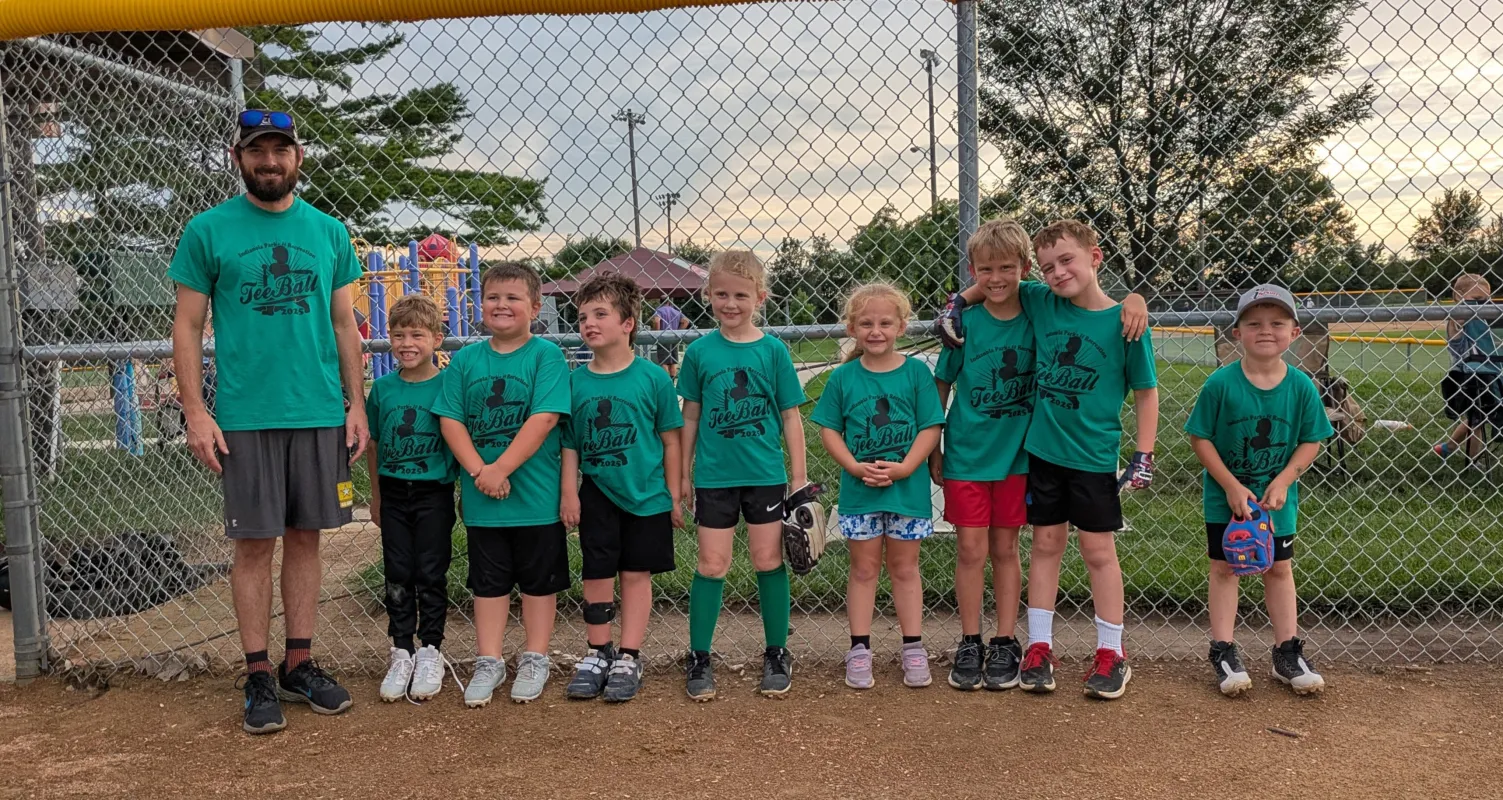
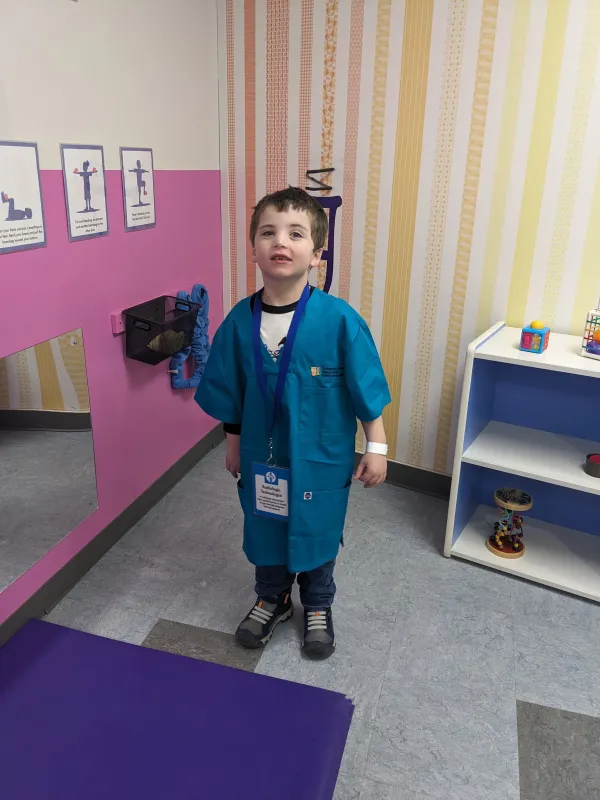
Photos from Kids Day 2025

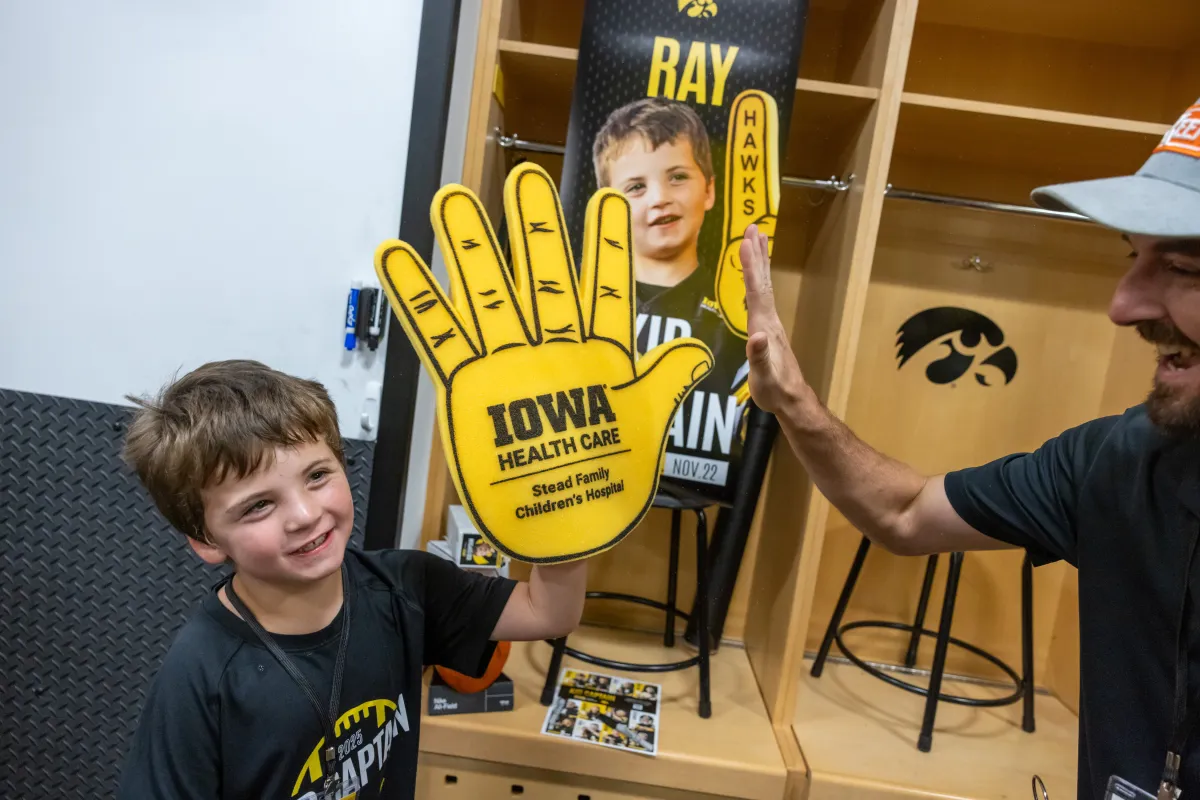

Kid Captain Hall of Fame
Each football season, we welcome 12 unforgettable patients into our Kid Captain Hall of Fame. Explore our four most recent stories.
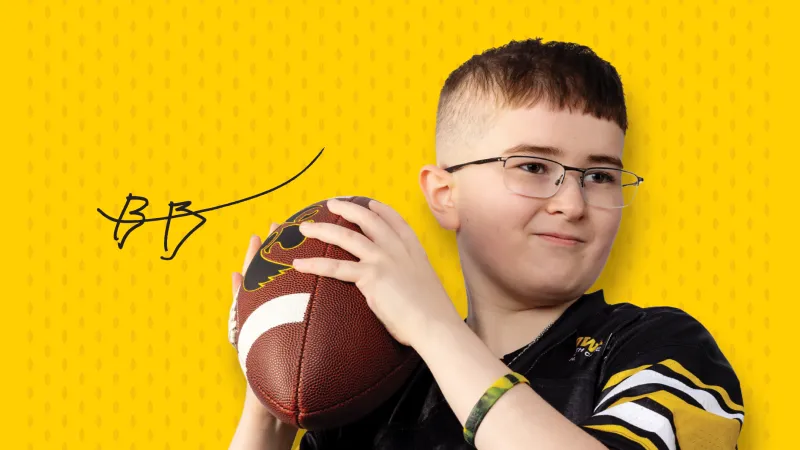
After a sudden headache at his birthday party led to the discovery of a brain tumor, Blake underwent major surgery, radiation, and chemotherapy at Stead Family Children’s Hospital.

A high-five once broke her arm. Now, Kid Captain Harper Atkinson finds strength and support at Stead Family Children’s Hospital.

After a 13-hour surgery last Halloween, Luke Johnston connected with his Iowa care team including the hospital facility dog, Corrin.
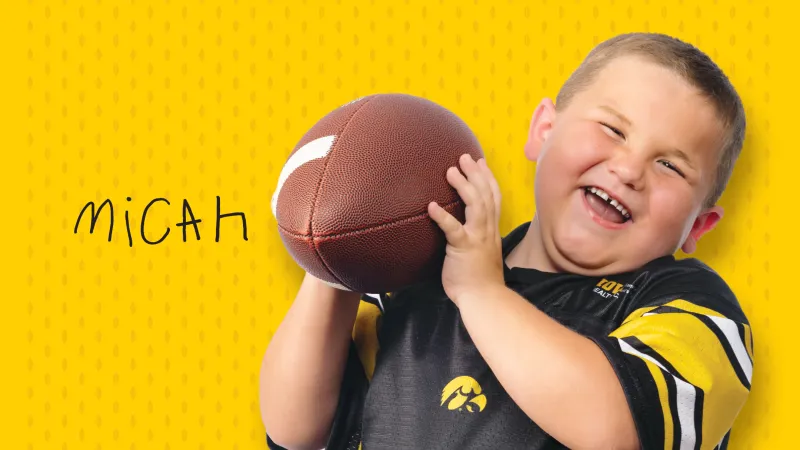
Micah Norby was the first child in Iowa outside of clinical trials to receive gene therapy for Duchenne muscular dystrophy.
Patient Stories