Iowa’s only pediatric spasticity clinic gives 5-year-old freedom to run and play
Spasticity surgery helps Keokuk County girl gain independence
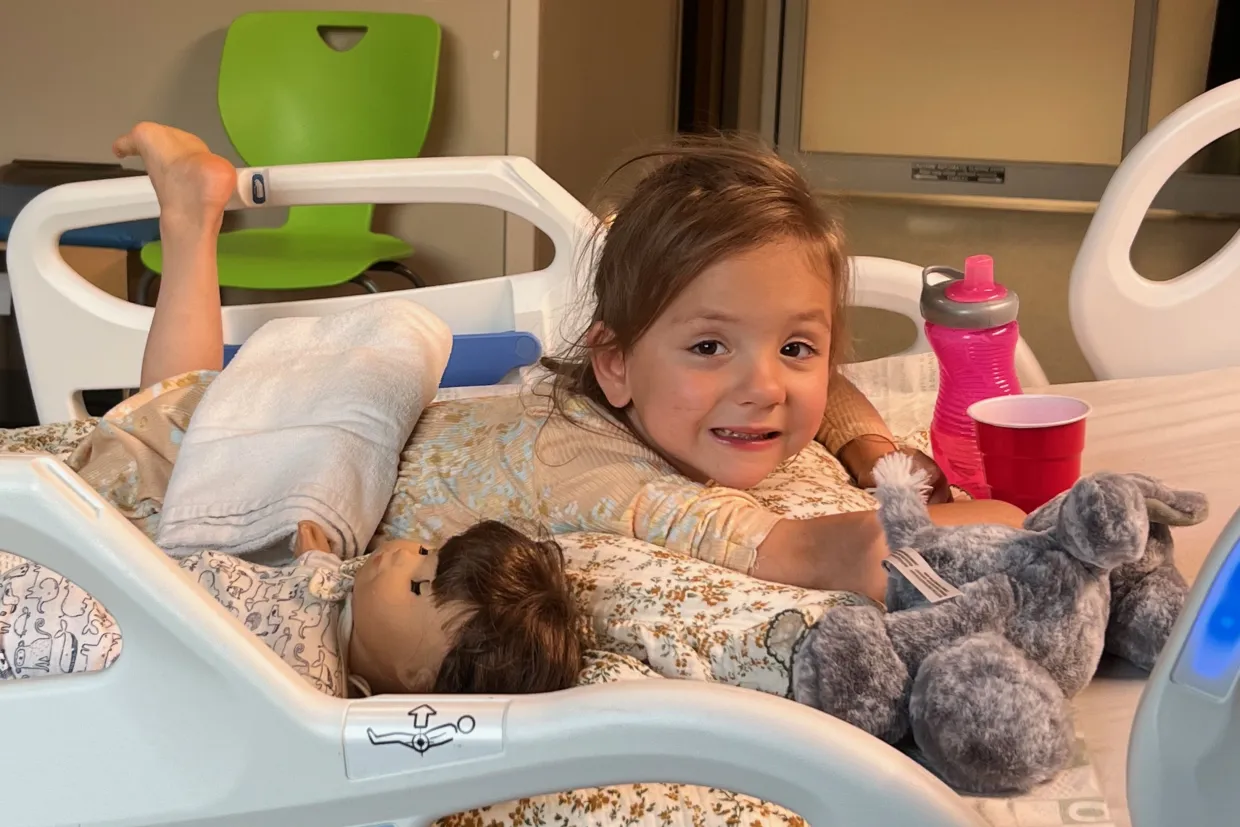
Shyra W. was just 15 weeks pregnant with twins when she began dilating — a sign that labor could start dangerously early.
“My doctors told me they were going to come early,” says Shyra, who requested that their family’s last name not be used in this story. “So, every day we prayed for one more day of being pregnant.”
Because survival rates for babies born before 23 weeks are extremely low, her care team at University of Washington Medicine in Seattle worked to keep her pregnancy going for as long as they could. They admitted her for five weeks of hospital bedrest, monitoring her closely and using every available intervention to delay labor. Thanks to those efforts, the twins were born at 26 weeks.
While that extra time gave the twins a fighting chance, extremely preterm babies are still at a high risk of serious, long-term health issues. Three days after birth, doctors discovered one of the twins, Raegan, had suffered two brain bleeds — one mild and one severe — in an area likely to affect her speech and mobility.
At 6 months old, Raegan was officially diagnosed with right spastic hemiplegic cerebral palsy, a common type of cerebral palsy that causes stiff muscles and paralysis or weakness on one side of the body. As she grew, Raegan developed tightness on her right side, a shorter right leg, and difficulty with mobility.
Hope in a life-changing treatment
Looking to relocate their family, Shyra and her husband Tom knew they would need to be able to access specialized pediatric care. With that in mind, they moved from Washington state to Iowa — first to Keota and then to Kinross — to be near University of Iowa Health Care Stead Family Children’s Hospital, where Raegan could receive advanced care from specialists in pediatric neurology, rehabilitation, and surgery.
After the move, Raegan began intensive physical, occupational, speech, and feeding therapy. She also worked with her care team at Stead Family Children’s Hospital’s Center for Disabilities and Development (CDD), which included pediatric physiatrist Kathleen Vonderhaar, MD. As part of Raegan’s treatment plan, Vonderhaar provided injections to help relax Raegan’s tight muscles while Raegan and her therapy team worked to build strength and develop basic mobility skills like rolling over, sitting up, and walking.
When Raegan was about 2 years old, the family learned about selective dorsal rhizotomy (SDR) — a surgery that can reduce spasticity and improve movement by cutting the nerve fibers in the lower spinal cord that are causing muscle tightness. They discussed the option with Vonderhaar, who referred them to the spasticity clinic at Stead Family Children’s Hospital.
Iowa’s only pediatric spasticity clinic
Spasticity causes muscles to stay tight and rigid, making walking and other movements difficult. Stead Family Children’s Hospital’s spasticity clinic is the only multidisciplinary pediatric clinic in Iowa dedicated to assessing and treating children who were born with or developed a condition that causes spasticity.
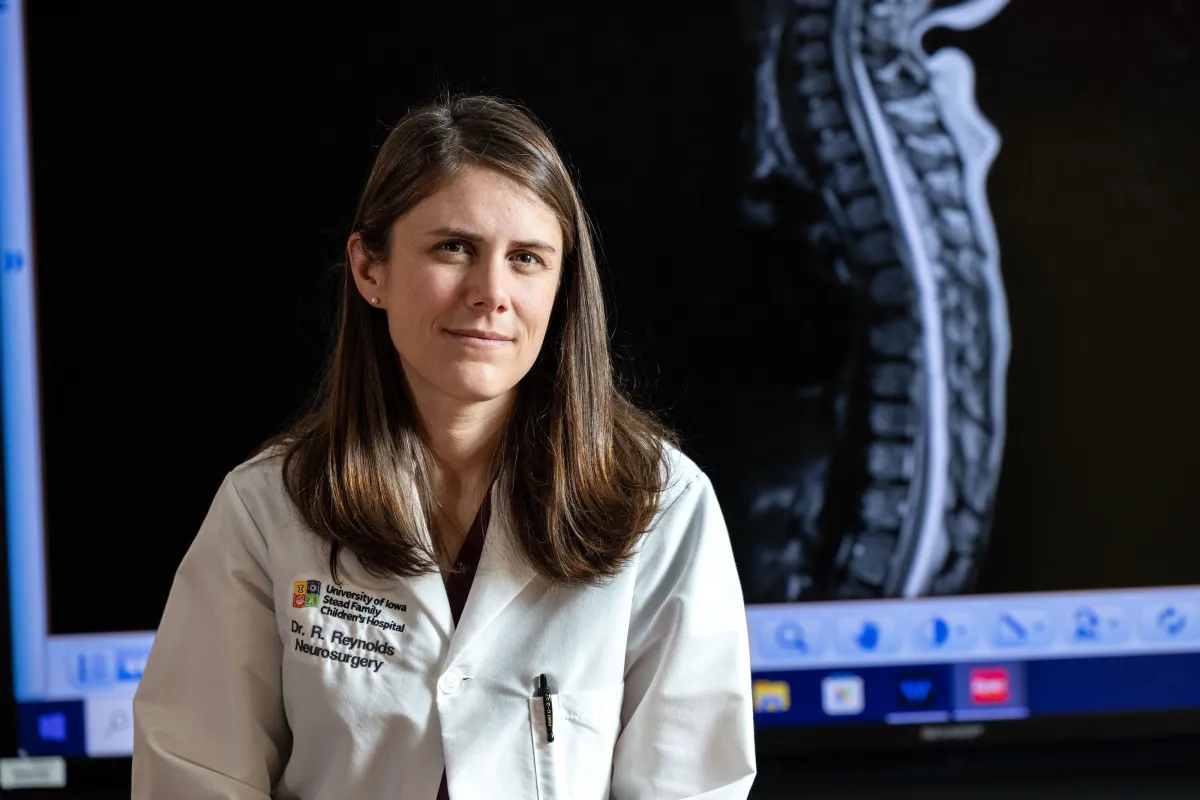
Headed by pediatric neurosurgeon Rebecca Reynolds, MD, the clinic brings together specialists in physiatry, neurosurgery, orthopedic surgery, and physical therapy from the CDD to create personalized treatment plans for children with conditions like cerebral palsy. The clinic is also one of the few in the country that offers SDR.
“Our spasticity clinic brings together experts from multiple specialties to give families the most comprehensive care possible,” Reynolds says. “We want parents to feel informed and confident. Meeting with the entire team in one visit allows families to ask questions and make decisions collaboratively about their child’s treatment.”
For Raegan, the team confirmed that she was a good candidate for SDR. Still, the decision wasn’t easy.
“It’s very scary thinking about putting your child under for spinal surgery,” Shyra admits. “We prayed about it and trusted our care team. Ultimately, we felt it was the right decision.”
Raegan had the SDR surgery at age 4.
Exceeding expectations
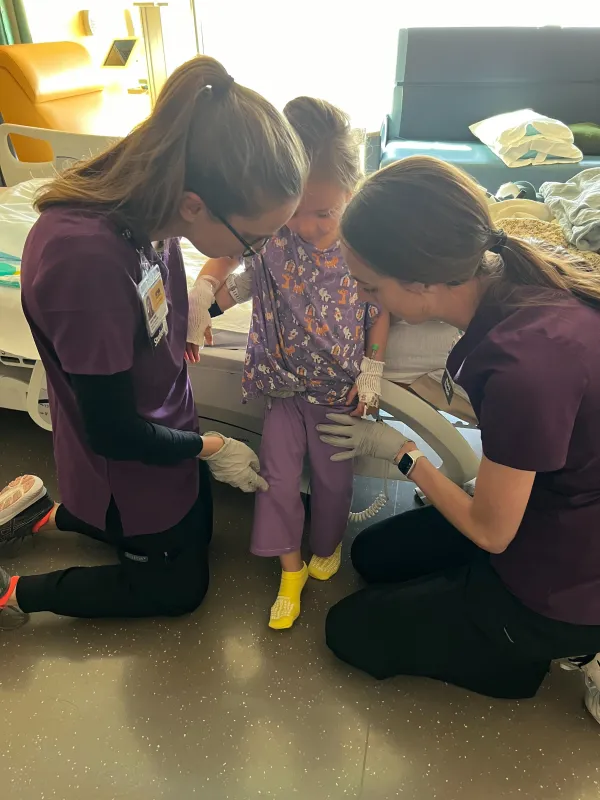
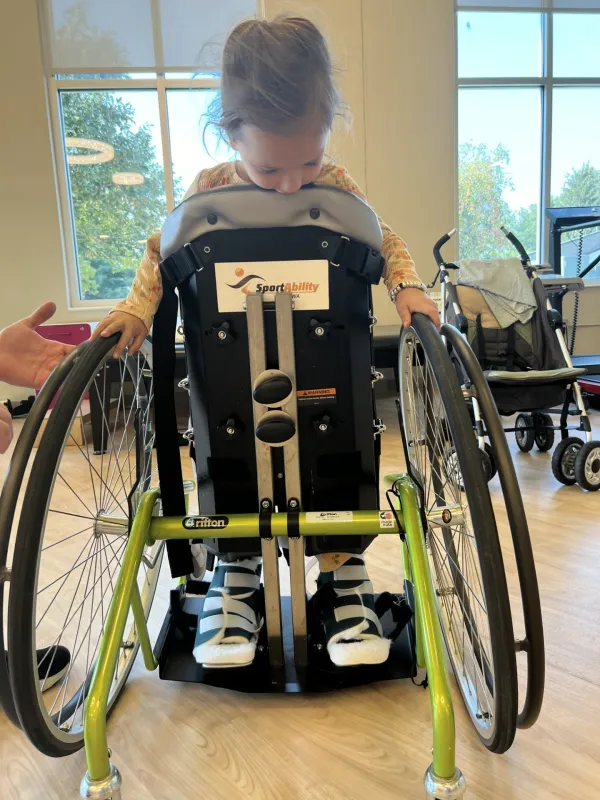
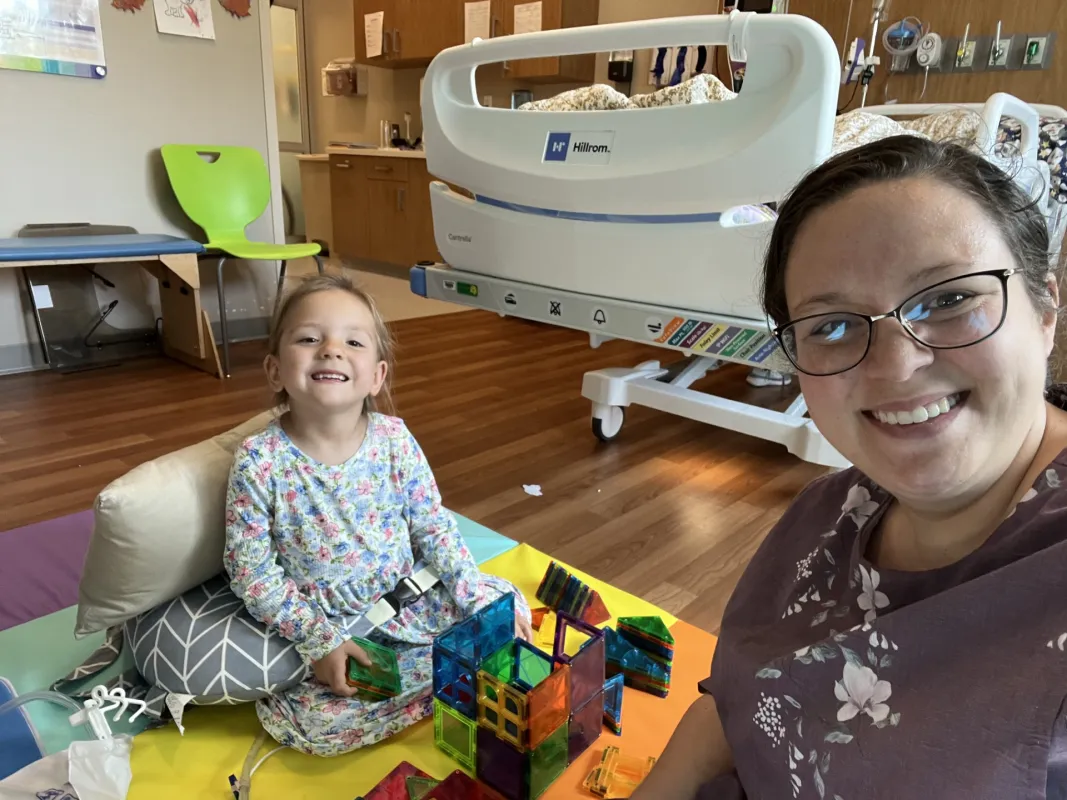
Recovery after SDR meant relearning basic skills. Raegan spent several weeks in inpatient rehab at ChildServe, a pediatric specialty hospital that offers care and rehabilitation for children with specific health care needs. There she had therapy five times a day to regain strength and mobility. She had to learn to lift her head, sit up, crawl, and walk all over again.
“The first few weeks were emotional,” Shyra says. “You want to take away the discomfort but watching her succeed was so rewarding.”
Raegan’s progress exceeded expectations. More importantly, she achieved the family’s biggest goal: for her to be safe. Before surgery, they worried about her frequent tripping, falling, and the risks she faced on the stairs. Afterward, with the support and expertise of her care team, her stability and confidence improved so significantly that the results went beyond what her family hoped for.
Because the spasticity clinic’s treatment plan is designed to be portable, the family was able to easily coordinate therapy between UI Health Care and ChildServe, making it easier for her to receive the care she needed.
"Dr. Reynolds and her team would video chat with us while we were there at ChildServe to see how she was feeling and how her recovery was going,” Shyra says. "Raegan had such a well-rounded team. We were very, very happy with everybody.”
A newfound independence
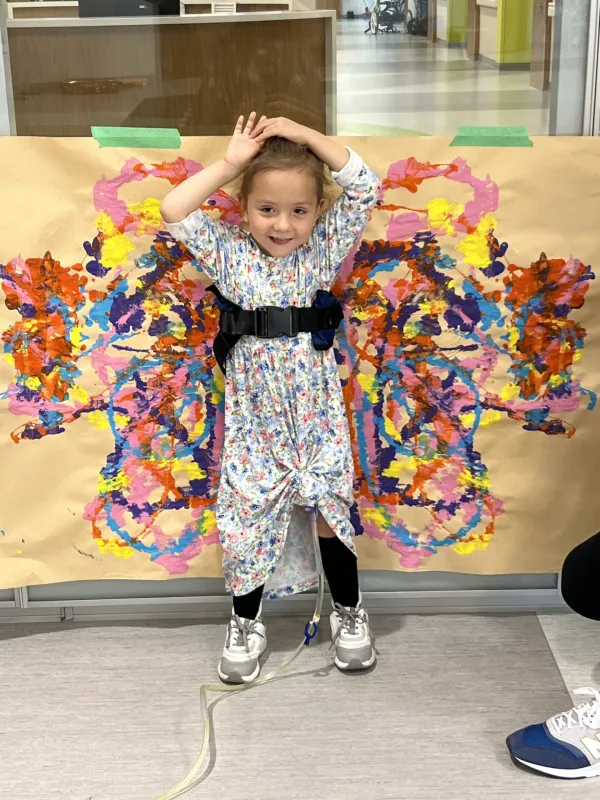
Today, Raegan is thriving. She no longer drags her foot when she walks. She can run, jump — even on one foot — and climb the stairs safely. She’s fully potty trained, something that wasn’t possible before surgery.
“She’s so much more independent now,” Shyra says. “She can keep up with her six siblings and do things we never thought possible.”
Shyra credits the care team for their compassion and thoroughness.
“It was so refreshing to have everyone sit down, look us in the eye, and listen to our concerns,” Shyra says. “They answered every question and never made us feel rushed. We felt like people — not just a case.”
Her advice to other families? “Lean into what your care team recommends. Talk to other families. Watch videos. It’s hard work, but the outcomes can be life-changing.”
Patient Stories