Gynecologic Cancer
- For all other requests:
- 1-319-356-4200
Gynecologic cancer begins when cells in a woman’s reproductive organs grow out of control. Treatment for gynecologic cancers is most successful when the cancer is found early, before it has had the chance to spread.
Routine screening through pap smears and pelvic exams can help prevent and detect some forms of gynecologic cancers, like cervical cancer.
Comprehensive, specialized gynecologic cancer care
At University of Iowa Health Care, every patient is treated by a team of experts who only treat patients with gynecologic cancer. It is Iowa’s largest team of board-certified gynecologic oncologists, who have specialized training in these types of cancer. They understand every aspect of the disease, and they know about the most recent treatment options — from chemotherapy to radiation therapy to surgery.
Your care team works together to design a treatment plan that is tailored to you and your specific treatment needs. This can often lead to better patient outcomes.
Causes of gynecologic cancer
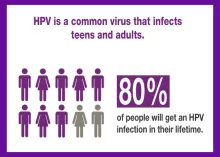
Having human papillomavirus, or HPV, puts you at higher risk for cervical cancer, vaginal cancer, and vulvar cancers, among others.
Other risk factors for gynecologic cancer include:
- Hormonal factors, such as high levels of estrogen, early menstruation and use of hormone replacement therapy
- A family history of gynecologic cancer and inherited cancer genes such as BRCA1 and BRCA2
- Previously having breast or gynecologic cancer
- Diabetes
- Eating a high-fat diet
- Obesity
- Smoking
Signs and symptoms of gynecologic cancer
Abnormal vaginal bleeding or an unusual discharge can be the first signs of gynecologic cancer.
Other signs of gynecologic cancer include:
- Abdominal or back pain
- A lump or mass
- Bloating
- Changes in bathroom habits or painful urination
- Changes in the color or skin of the vulva (opening of the vagina)
- Itching or burning of the vulva
- Pelvic pain or pressure
If you have any of these symptoms, that doesn’t mean you have cancer. All of them could be signs of an infection in your reproductive organs or gynecologic tract. But you should talk to your provider about these symptoms as soon as you can.
Some gynecologic cancers are difficult to detect in their early stages, so even if you don’t notice any of these symptoms, it’s important to talk to your provider about regular cancer screenings.
How gynecologic cancer is diagnosed
Not all patients with gynecologic cancer will have symptoms, that’s why screening for certain cancers, like cervical cancer, is important. The best way to prevent cervical cancer is through regular pelvic exams and pap smears.
If gynecologic cancer is suspected, your care team may recommend one or more of the following:
- Colposcopy. This procedure uses a magnifying instrument called a colposcope so the cervix can be seen more easily. Tissue samples may be removed or biopsied during the procedure for additional testing.
- Loop electrosurgical excision procedure (LEEP). This procedure uses a small electrical wire loop to remove abnormal cells.
- Biopsy. This test involves taking a sample of tissue and viewing it under a microscope to see if any cancer cells are present.

Every cancer diagnosis is unique.
That’s why getting a second opinion matters. Our cancer experts can confirm your diagnosis and help you understand all your treatment options.
Treatments for gynecologic cancer
Treatments for gynecologic cancer will depend on the type and stage of cancer. Surgery is the most common treatment for gynecologic cancers. However, if the cancer has grown or spread, other treatments like chemotherapy, hormone therapy and radiation therapy may be used.
A special surgical procedure called cryosurgery is used for cervical cancer patients with localized cancer. A provider uses liquid nitrogen or a cold probe to freeze and kill cancer cells.
UI Health Care has the largest team of board-certified gynecologic oncologists in Iowa. They are specialty trained surgeons who focus exclusively on treating gynecologic cancers. They are experts in the latest minimally invasive techniques, including Mohs and robot-assisted procedures, which can mean smaller incisions, faster recovery, and less pain.
We also offer clinical trials, which are research studies that give you the opportunity to receive new treatment options before they are widely available. These treatments look at new ways to treat cancer that could increase your chances for recovery and improve your quality of life.
Gynecologic cancer treatments
Gynecologic cancer types
- Cervical cancer
- Ovarian cancer
- Uterine cancer
- Endometrial cancer
- Vaginal cancer
- Vulvar cancer
Patient Stories