When a sports injury needs more than rest: Signs you may need surgery
Complex sports injuries can sideline even the most dedicated athletes. But with advanced surgical solutions, you can return to what you love.
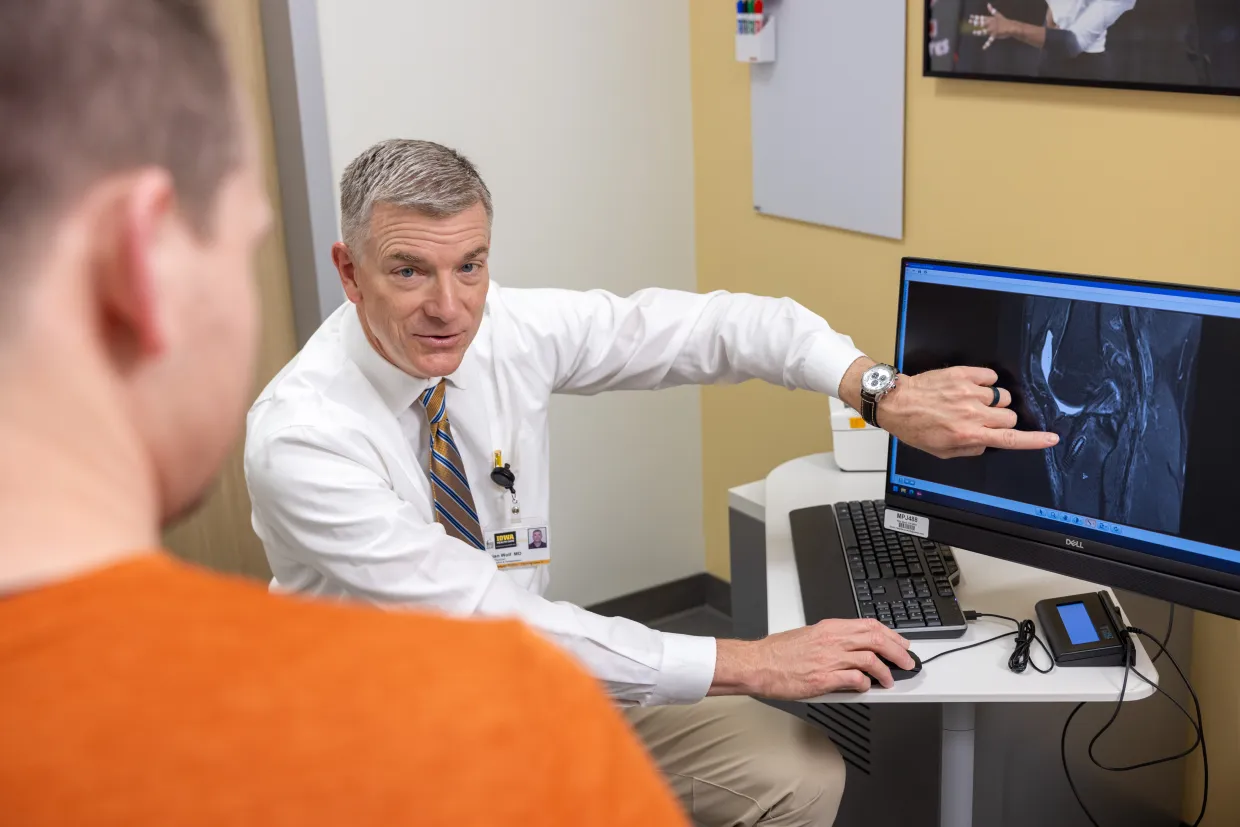
Advanced care for complex sports injuries
Staying active is vital in maintaining a healthy lifestyle at every stage of life by strengthening your bones and muscles and supporting cardiovascular and mental health.
Those who engage in regular physical activity or sports may be more prone to complex injuries. While many sports injuries can be treated with rest, physical therapy, or minor procedures, some are more serious—requiring specialized surgical care to get you back to the activities you love.
UI Health Care’s orthopedic surgeons and sports medicine specialists work alongside rehabilitation specialists so that your surgery results in the best possible outcomes and gets you back on your feet.
What qualifies as a complex sports injury?
Complex sports injuries are more than tendinitis or a strain. These injuries may involve bones, ligaments, tendons, cartilage, and muscles. Joint mobility is often affected, forcing you to rest and take breaks from your favorite physical activity.
These complex injuries may develop over time from constant overuse or occur suddenly during high-impact activities such as running and jumping. Common complex sports injuries include:
- Multiligament knee injuries (ACL, MCL, and PCL tears)
- Labral tears or rotator cuff damage in the shoulder
- Tendon ruptures in the Achilles or patellar tendon
- Complex fractures extending into joints
- Combined cartilage, ligament, and bone injuries
Repairing complex sports injuries requires expertise and comprehensive care. When left untreated or poorly managed, these injuries can cause long-term pain, instability, and restricted mobility.
Our specialists at UI Health Care are dedicated to finding the best, most advanced approaches to healing by collaborating with multidisciplinary teams throughout our hospital.
“We treat complex injuries with a team-based approach that includes surgeons, physical therapists, and athletic trainers,” says Brian Wolf, MD, MS, orthopedic surgeon at UI Health Care. “This collaboration means patients benefit from seamless, personalized care from day one through recovery.”

See a sports medicine specialist
Whether you’re chasing a personal best or just want to stay active, we’ll help you heal and move forward with confidence.
How to know if surgery is right for your sports injury
Choosing your path toward recovery can be overwhelming as you try to decide when to return to your sport and physical activity. Our specialists are prepared to help guide you toward the best decision and care, making sure you fully understand why surgery is recommended and what you can expect.
After an initial evaluation, diagnostic imaging, and potentially trying more conservative treatments like physical therapy or regenerative medicine, your care team will determine the appropriate surgical solution if symptoms persist.
Surgery is often required when the following symptoms persist:
- Limited range of motion or complete lack of mobility
- Persistent pain
- Chronic instability
- Swelling, protruding bone, or joint misalignment
- Inability to perform daily tasks
With access to advanced surgical techniques, including minimally invasive procedures and customized recovery plans, we’re committed to helping you heal fully and return not just to activity but to peak performance whenever possible.
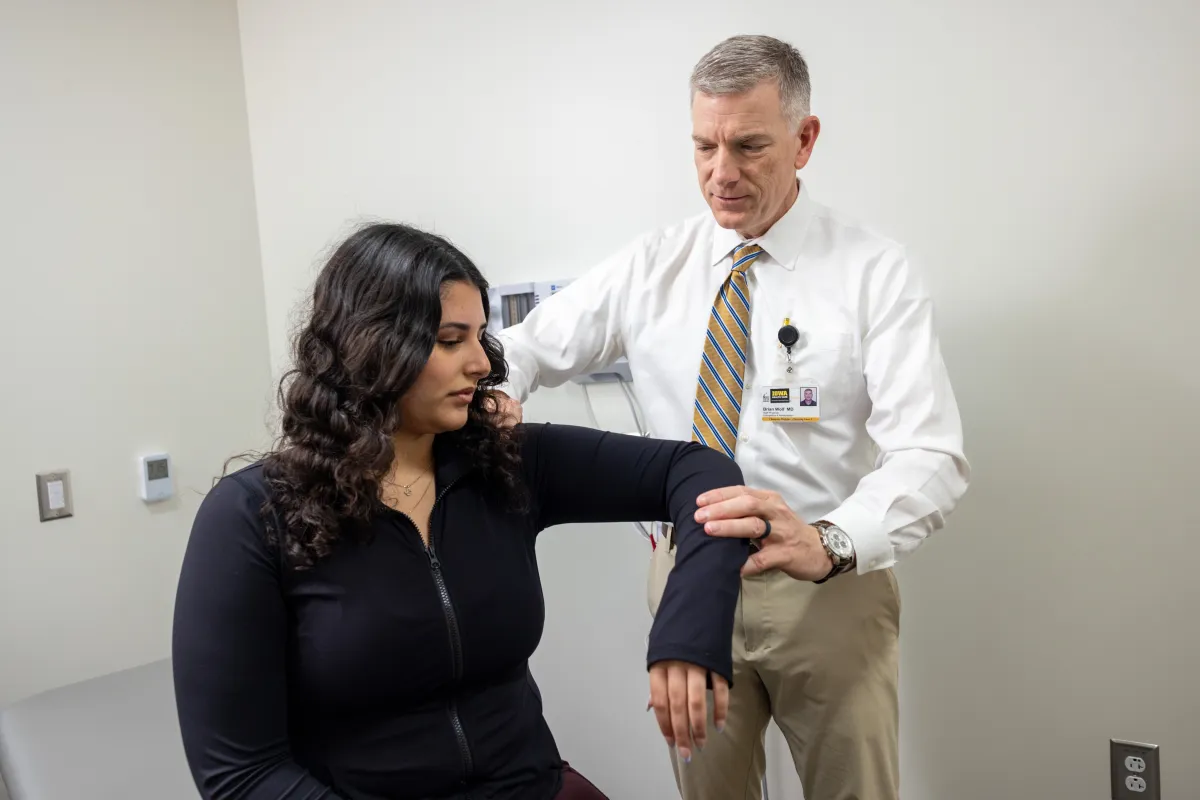
What to expect from sports injury and recovery
Your safety and comfort are a top priority at UI Health Care. Knowing what to expect during and after surgery can leave you feeling even more prepared before your procedure.
“We cater all of our treatment plans to you; it’s never a one-size-fits-all decision,” Wolf says. “We take the time to make sure you feel informed and confident in your care plan.”
During surgery, our experienced orthopedic surgical team will treat you using the latest techniques—including minimally invasive surgery like arthroscopy—to reduce tissue damage and speed up the healing process.
Common procedures for complex sports injuries include:
- Arthroscopy
- Lesion tear surgery (SLAP)
- Meniscectomy removal and repair
- Osteotomy
- Shoulder surgery
- Tendinopathy surgery
After surgery, your care team will put together a customized recovery plan, catered to your activity level, health, and goals. The plan will put you on the right path toward complete recovery with rehabilitation approaches such as:
- Physical therapy
- Regular follow-up visits with your surgical team
- Pain-management strategies
- Careful guidance on returning to daily activities and sports
Our entire care team—from surgeons to therapists—is here to support your recovery and help you return stronger, with confidence and care tailored to your goals.
“Our goal isn’t just to repair an injury. It’s to return you back to a safe physical activity level, restoring performance,” Wolf says.