What to know about cyclosporiasis
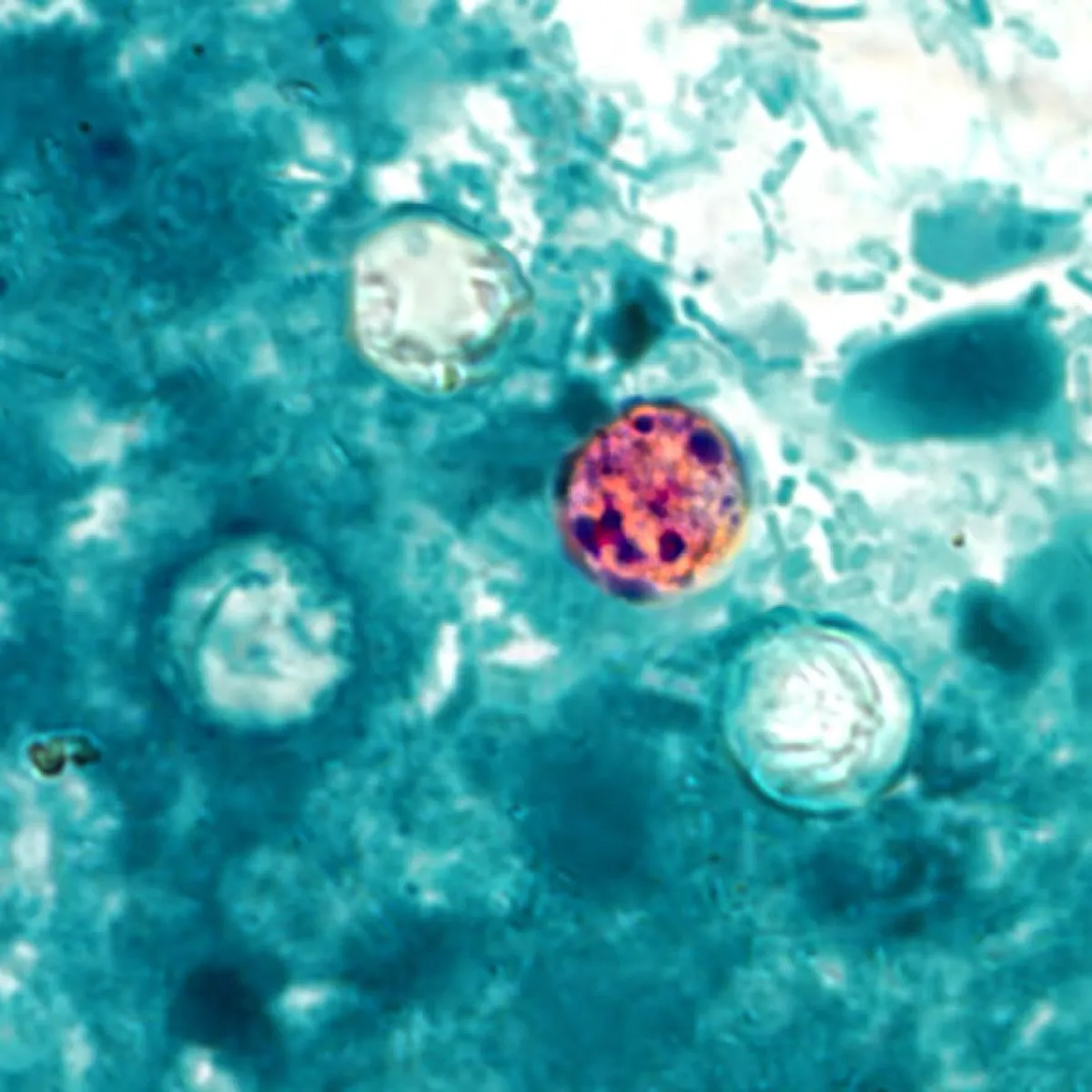
- Cyclosporiasis is a type of intestinal illness caused by a parasite that typically leads to diarrhea, nausea, and fatigue.
- Thousands of cases have been reported across the country — including in Iowa — though most of the infections are concentrated in four states.
- Although the exact origin of the current outbreak in the U.S. is unknown, the illness is contracted when people eat food or drink water that has been contaminated.
- For those who do not have a weakened immune system, cyclosporiasis should cause an illness that resolves on its own, and proper diagnosis and treatment will help it go away faster and help prevent recurrent diarrhea.
- The best protection against cyclosporiasis is practicing safe food handling procedures, especially with fresh produce and vegetables.
Cyclosporiasis is an intestinal illness that can cause watery, sometimes explosive diarrhea — among other symptoms — that has recently been in the news due to an outbreak across multiple states.
To learn more, we talked to Karen Brust, MD, hospital epidemiologist.
What is Cyclosporiasis?
Cyclosporiasis is an intestinal illness caused by the microscopic parasite Cyclospora cayetanensis, also known as Cyclospora. Cases have been identified in 34 states, with most cases in Michigan, Ohio, Kentucky, and West Virginia.
People can acquire cyclosporiasis in areas of the world where widespread water treatment is not done. The current outbreak in the U.S. is not travel-related and is being investigated as a locally acquired infection from a yet unknown source.
The illness is not typically life threatening, but symptoms may last a long time — or go away and then come back — if left untreated.
What are the symptoms?
Cyclosporiasis may or may not cause symptoms in those who are infected. It typically takes one week after infection for a person to become sick, but this can range from two days to more than two weeks.
When infection occurs, the parasite infects the small intestine. The most common symptom is watery diarrhea, which can be severe, frequent, and lead to sometimes loud and explosive bowel movements.
- Loss of appetite
- Bloating
- Excessive burping or gas
- Stomach cramps
- Nausea
- Vomiting
- Fatigue
- A low-grade fever
If left untreated, the illness can last from several days to more than a month, and symptoms may improve and then return one or more times.
How does it spread?
Cyclosporiasis spreads when people eat food or drink water contaminated with feces.
This may occur through:
- Contaminated water: Drinking untreated water or accidentally swallowing contaminated water while swimming in a pool, hot tub, lake, or other body of water. The Cyclospora parasite can survive in chlorinated pool water for a long time.
- Contaminated foods: Outbreaks of cyclosporiasis have been associated with eating certain fresh fruits and vegetables. Contamination can happen when produce is grown or rinsed with water containing the Cyclospora parasite, and the use of human waste as fertilizer can further increase the risk of spreading the infection.
It takes at least one to two weeks outside of the body for the Cyclospora parasite to become infectious after passing in a bowel movement. This makes direct person-to-person transmission of the illness unlikely.
The Centers for Disease Control and Prevention (CDC) is still trying to identify the source or sources of the recent surge in Cyclosporiasis infections but a common source of contaminated produce is suspected.
How is it diagnosed?
Anyone experiencing symptoms of cyclosporiasis should contact their health care provider. The diagnosis of cyclosporiasis is usually made by molecular testing on a stool sample.
Rapid molecular testing is available at our university, downtown, and North Liberty campuses.
What is the treatment?
Cyclosporiasis is typically treated with the antibiotic trimethoprim-sulfamethoxazole. Those with a sulfa drug allergy should talk to their provider, who may recommend alternative treatments, such as ciprofloxacin or nitazoxanide.
In addition to antibiotics, treatment may include anti-diarrheal medications to help manage symptoms and reduce the risk of dehydration.
Drinking plenty of fluids — including water and electrolyte-replacement beverages — is important, and severe cases may require intravenous (IV) fluids. Rest and hydration are especially crucial for people who experience diarrhea. It’s important to try to eat food however possible, even if it’s small bites at a time.
Emergency medical care may be needed for signs of severe dehydration, including confusion, dizziness, dark-colored urine, or reduced urination.
How can I protect myself?
The absolute best way to try and prevent infection is to only eat fruits and vegetables that have been cooked or peeled. The parasite will be killed by the heat or removed by the peeled outer layer.
Although it is impossible to know when food or drink may be contaminated, practicing safe food handling can help prevent getting sick.
Wash
- Wash hands thoroughly with soap and water before and after handling or preparing raw fruits and vegetables, and after using the bathroom.
- Wash all fruits and vegetables under running water before eating, cutting, or cooking them.
- Fruits and vegetables labeled "prewashed" should still be washed for extra prevention.
- Scrub firm fruits and vegetables, such as melons and cucumbers, with a clean produce brush.
- Wash food preparation surfaces, dishes and utensils with hot, soapy water after use.
Prepare
- Thoroughly peel fresh fruits and vegetables before eating them.
- Cut away any damaged or bruised areas on fruits and vegetables before preparing or eating them.
- When possible, cook fruits and vegetables to at least 158°F to help kill Cyclospora parasites.
- Use safe, treated water for drinking, cooking and washing produce. Avoid untreated water, which may be contaminated.
Store
- Refrigerate cut, peeled, or cooked fruits and vegetables as soon as possible, and within two hours of preparation.
- Keep produce properly stored to reduce the risk of contamination and spoilage.
Because Cyclospora is spread through fecal contamination, practice good personal hygiene, including careful handwashing after using the restroom.
If you have diarrhea, avoid swimming in pools, water parks, lakes, or other bodies of water that are used for recreation. Wait at least two weeks after symptoms have completely resolved before returning to the water.
What is the main takeaway?
Cyclosporiasis is circulating throughout most of the U.S., including in Iowa. Practicing safe food handling processes can help prevent illness, and those who experience compatible symptoms should contact their health care provider.