Fewer than 1,000
People diagnosed annually with aplastic anemia
When unusual bruising appeared on Charlie Price’s back and arm at age 4, his parents began searching for answers, ultimately leading to a rare diagnosis of severe aplastic anemia.
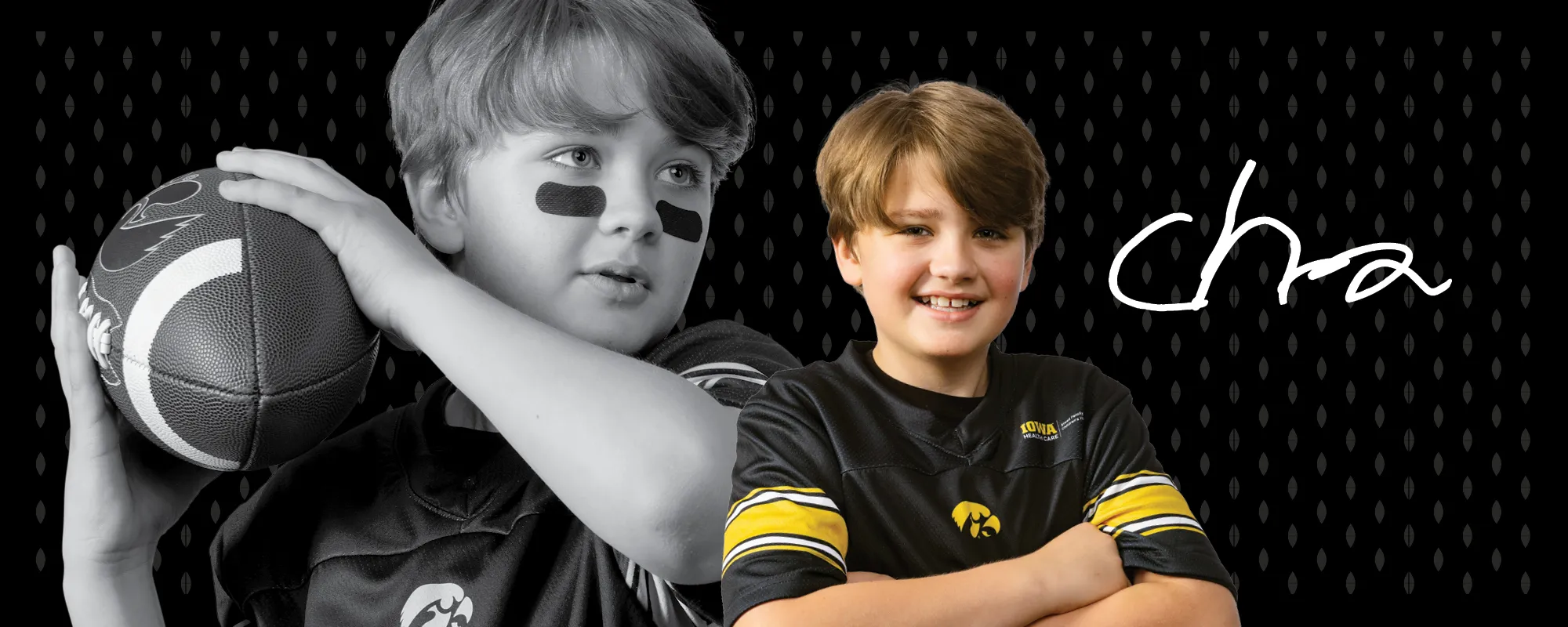
Charlie Price’s parents began searching for answers after noticing unusual bruising on his back and arm when he was 4.
“Right before the pandemic hit, we noticed a bruise on his arm and then this giant bruise that took over a huge portion of his back,” says his mother, Tanya. “It was reddish purple, like a burst blood vessel, but it was just solid.”
Their local pediatrician said the marks were petechiae, which can be an indicator of leukemia or other blood disorders. An initial blood test revealed an extremely low platelet count and hemoglobin level. Charlie was immediately referred to University of Iowa Health Care Stead Family Children’s Hospital for further tests.
“We went to the university, and right away they did a bone marrow biopsy,” Tanya says. “They determined it wasn’t leukemia pretty quickly, but it was something. They didn’t find cancer cells, but his bone marrow was like that of a 98-year-old man. And he was 4.”
Charlie was diagnosed with severe aplastic anemia, a rare condition in which the body's immune system mistakenly attacks healthy blood-forming stem cells. As a result, the bone marrow cannot produce enough red blood cells, white blood cells, or platelets. Fewer than 1,000 people in the United States are diagnosed annually with the potentially life-threatening disorder.
“When they came back with the diagnosis, our entire world changed. I had no idea what it was,” Tanya says. “The disease he has is so incredibly rare that a lot of people don’t get diagnosed with it, and if they do, they’re old.”
Tanya and her husband, Michael, were told the disorder can be hereditary or linked to environmental conditions (such as working around a nuclear plant), or a viral infection. Because the other potential causes did not appear to apply, the doctors believed a virus may have attacked his bone marrow. "They determined he must have caught a virus,” she says, adding that Charlie hadn’t displayed any other symptoms.
His doctors asked if he was able to stand, as his blood work indicated he must be a lethargic child, Tanya recalls.
“He was just running laps,” she says. “He’s so energetic all the time.”
As Charlie’s immune system weakened, he developed frequent infections and often had to be hospitalized. His illness was further complicated by the timing: the COVID-19 pandemic began shortly after his diagnosis in 2020.
As a precaution, the couple’s two older children couldn’t be around friends who might expose them — and, in turn, Charlie — to an infection.
“There is no community for aplastic anemia,” Tanya notes. “Only two kids in 1 million will be diagnosed each year. We were on an island because we had no one that we could ask questions about their experience. We couldn't connect with other families because everything was locked down. No playroom; no sitting in the family room. We only had the staff. The staff were our lifeline. They had to show up even when the world was falling apart, and they still tried to make life in the hospital as good as it could be. "While aplastic anemia is not a cancer, treatments can be similar, including a bone marrow transplant for severe cases. Because Charlie needed frequent platelets and blood transfusions, a search began for a donor. Charlie's first donor backed out, likely related to the pandemic.
“I collapsed on the floor in the bathroom while Charlie was taking a nap and I called my husband,” Tanya recalls. “I just sobbed.”
The search continued as Charlie’s illness progressed. As a backup, Tanya was prepped to be a donor, even though she wasn’t considered an ideal match.
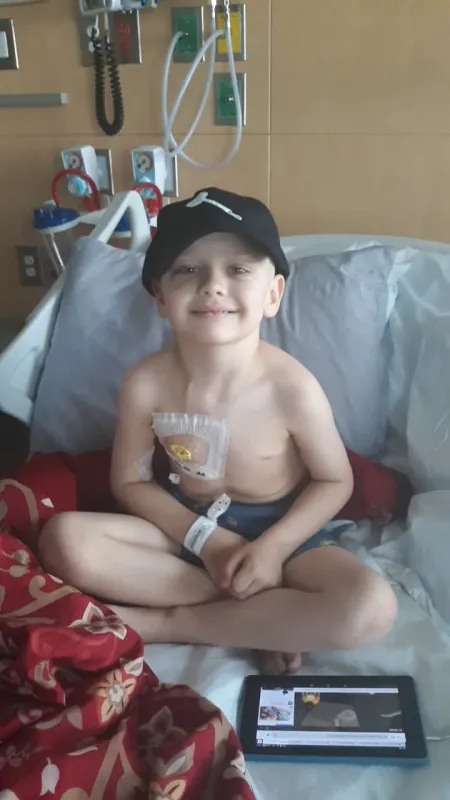
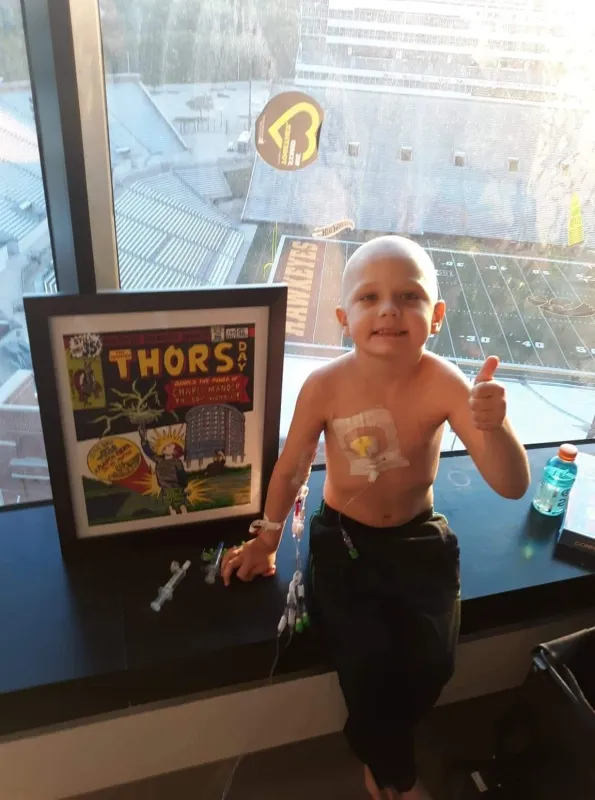
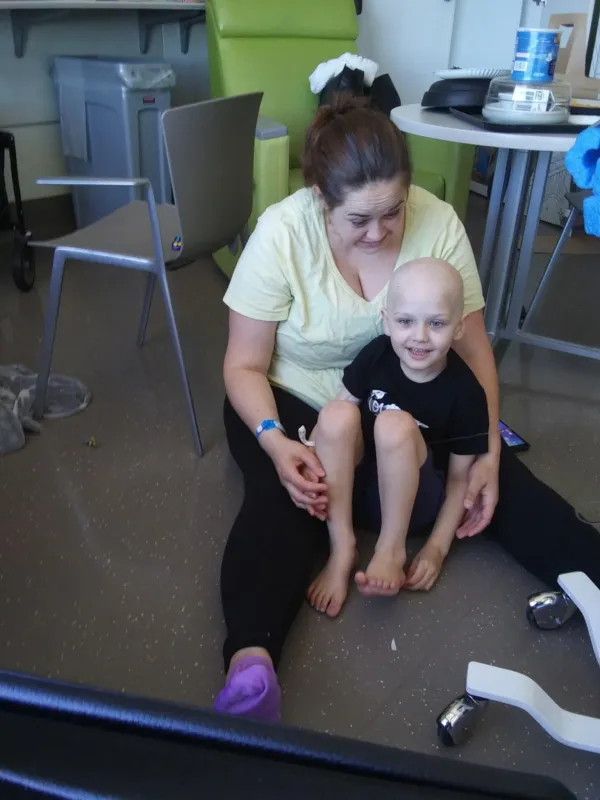
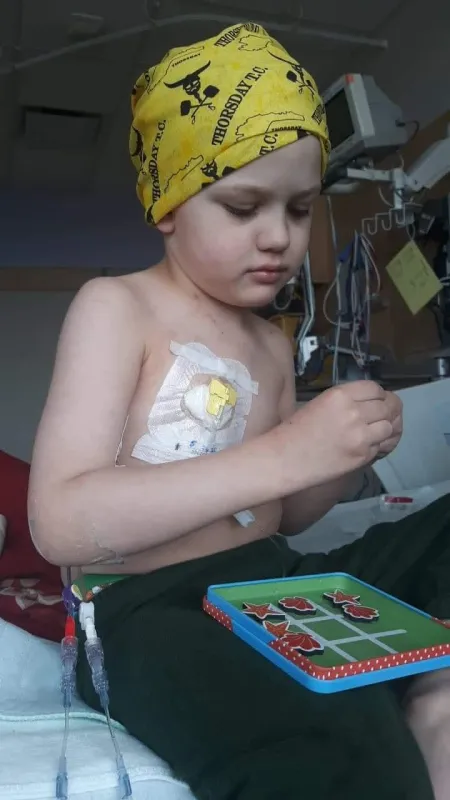
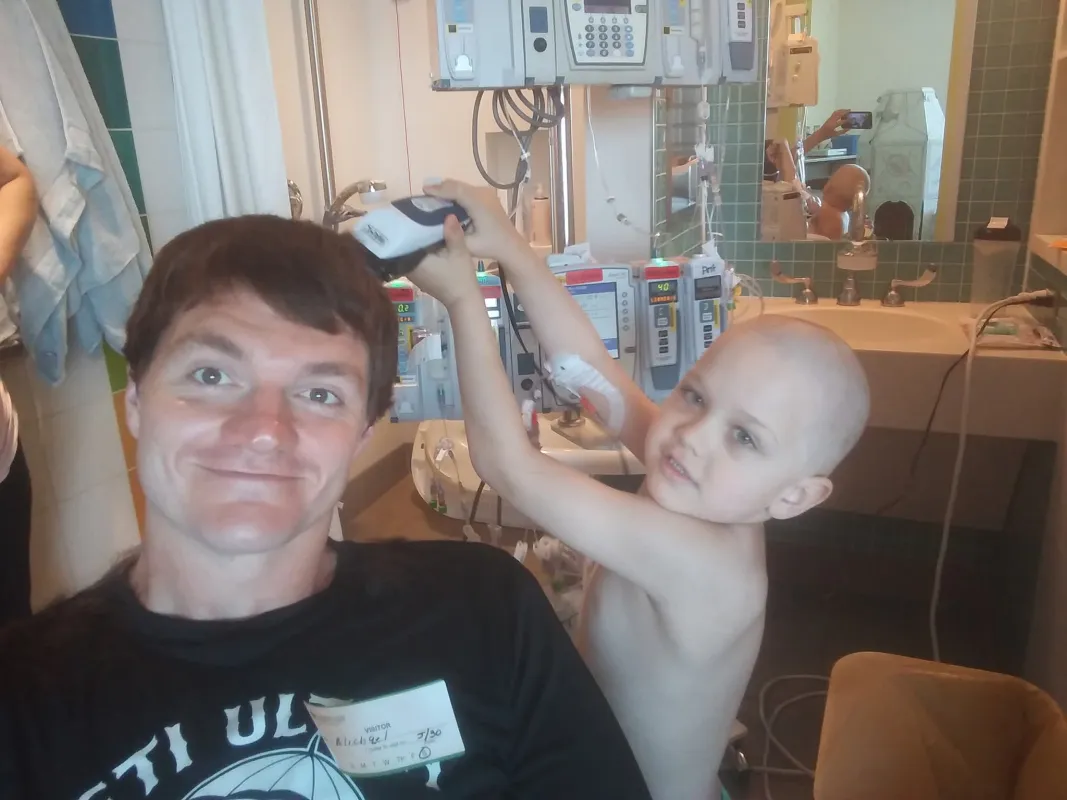
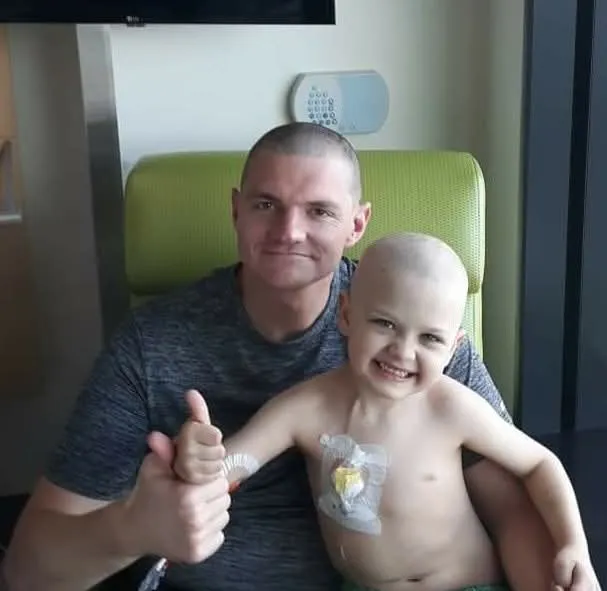
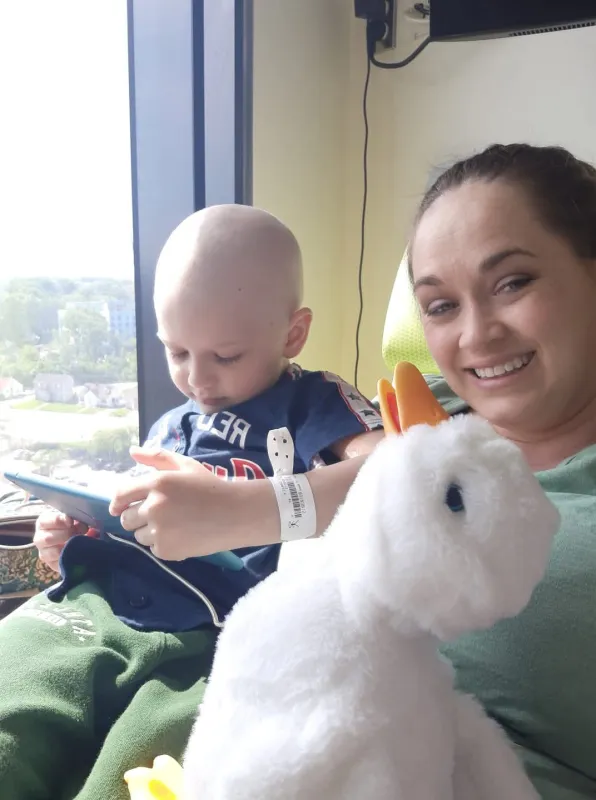
Charlie had to undergo chemotherapy and radiation to prepare his body for the transplant. Tanya recalls how Child Life staff helped explain the situation to their son.
“‘Chemo duck’ can make it better,” she says of the animatronic duck with its own port, “because chemo duck has to do chemo, too. The video games and Legos can make it better. The cookie cake can make it better…or at least give you something to get through it.”
To help Charlie learn to swallow medication, nurses gave him mini M&Ms before progressing to actual pills.
A donor was found in Germany, but Charlie’s blood pressure was too high for the procedure. “I was still being prepped in case something happened,” Tanya says.
Charlie’s care team was able to resolve his blood pressure issue, and the donor’s blood marrow was flown from Germany to the U.S. Charlie received his transplant in May 2020.
He was discharged after six weeks, but his transplant was taking time to “engraft,” or establish and produce healthy blood cells. Charlie was prescribed a special medication that required refrigeration and helped his body accept the transplant.
That medication was put at risk in August 2020, when the family’s Cedar Rapids home lost power for two weeks after a hurricane-strength derecho.
The family found a ride to Iowa City, where Stead Family Children’s Hospital staff ensured they were in a safe place. Ultimately, Charlie’s transplant was considered a success.
Now 11 and in fifth grade, Charlie loves to read, play soccer, and is getting into acting.
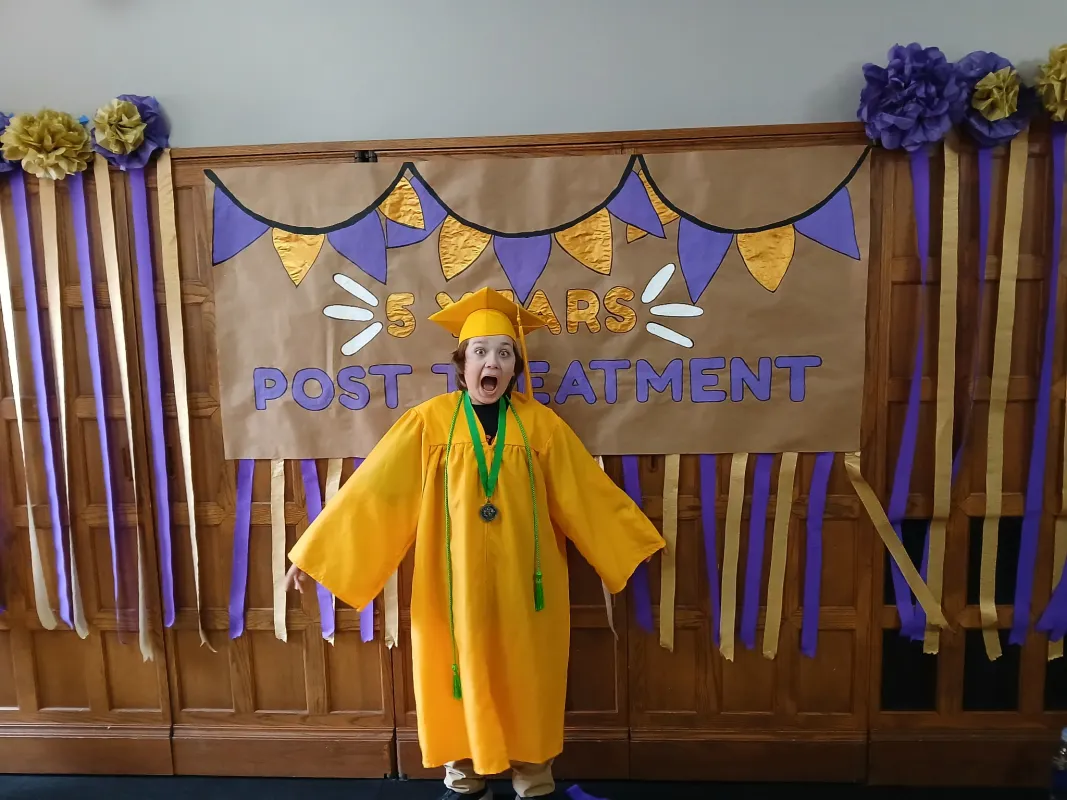
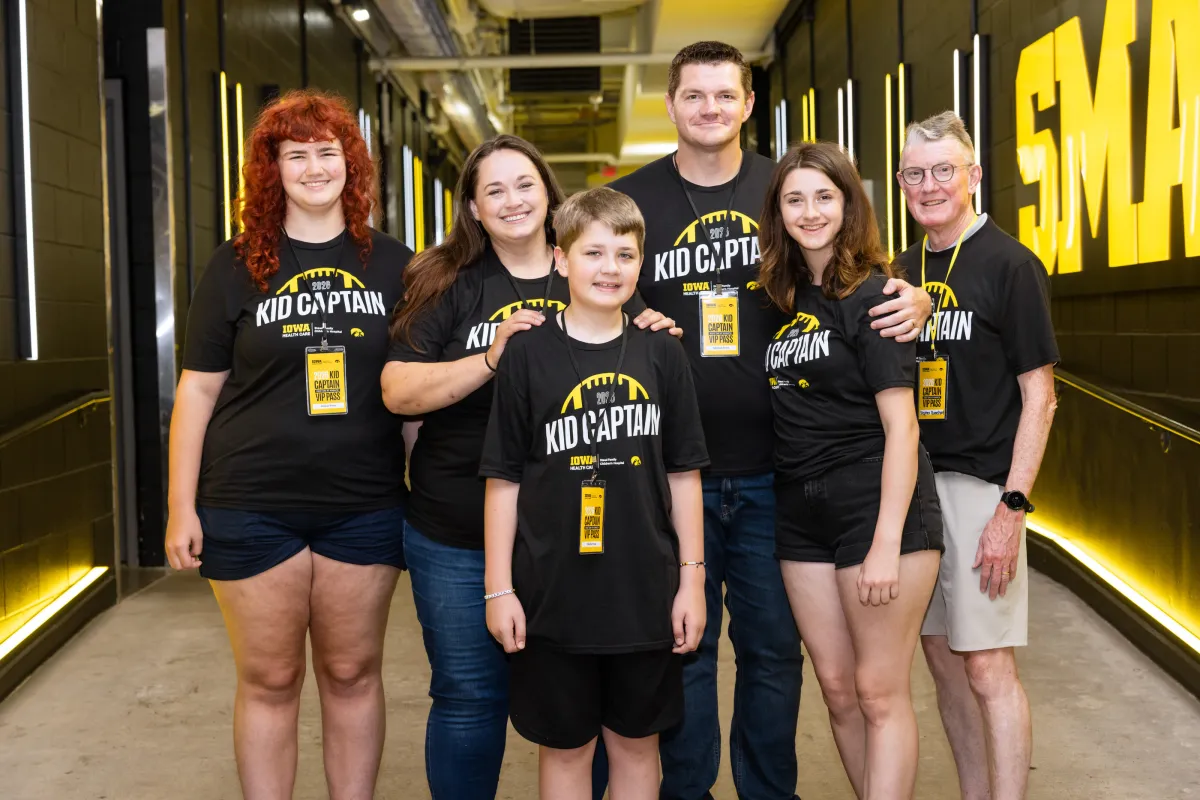
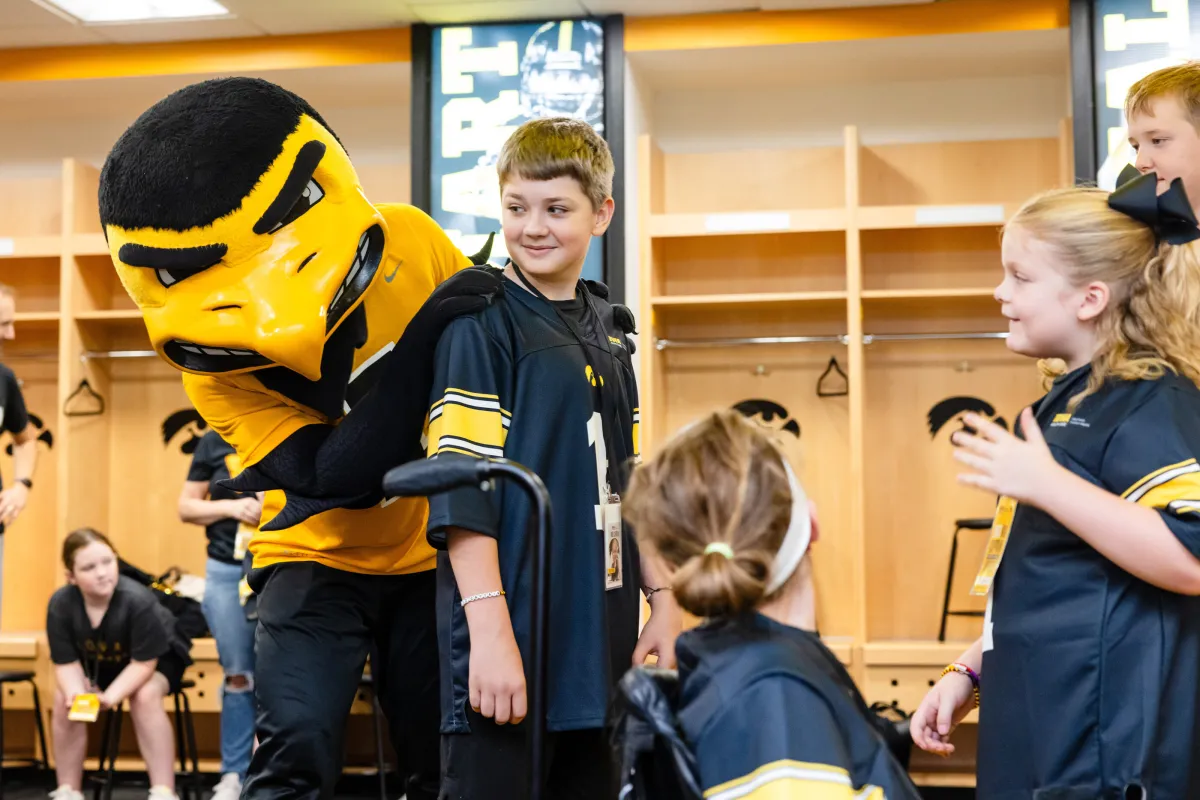
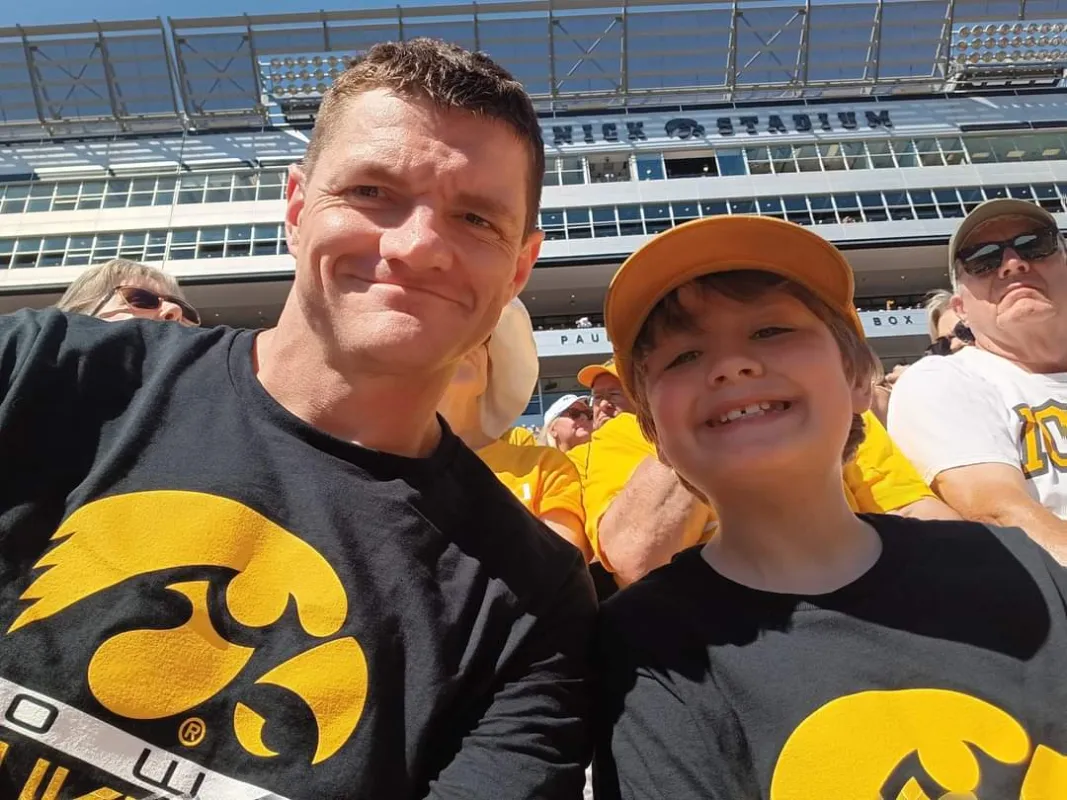
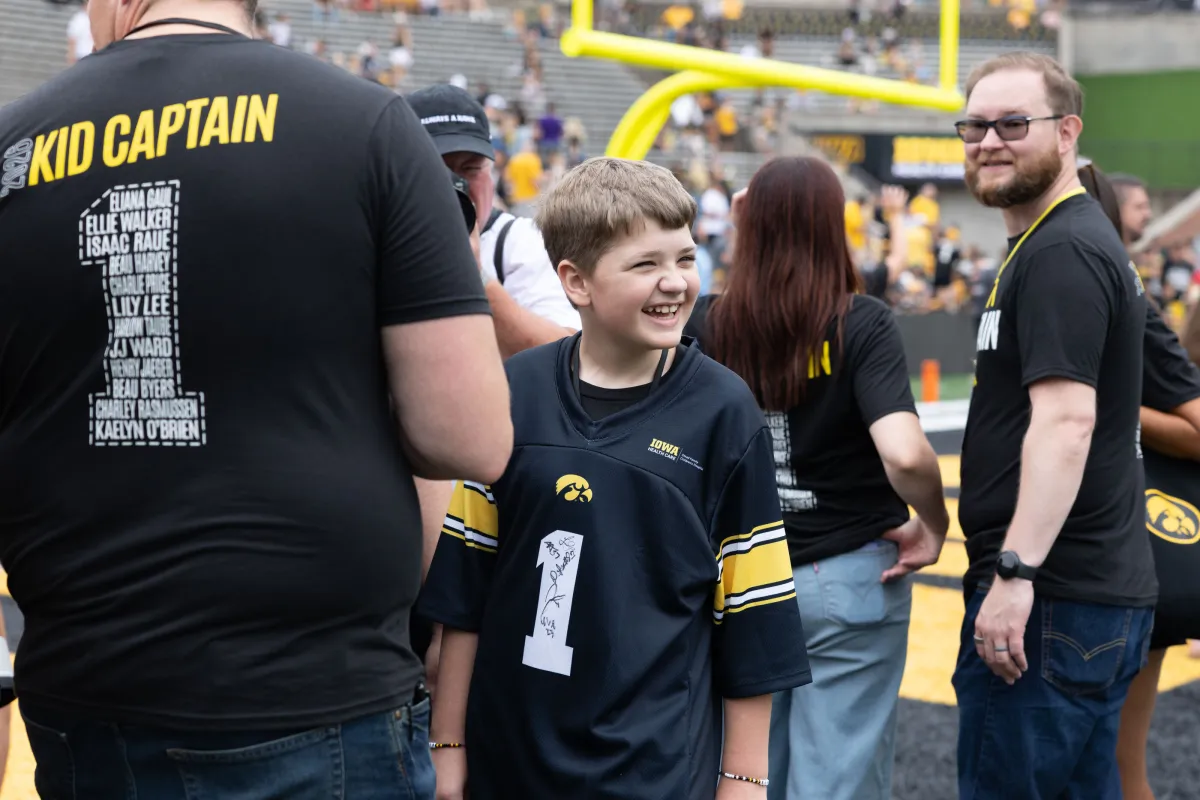
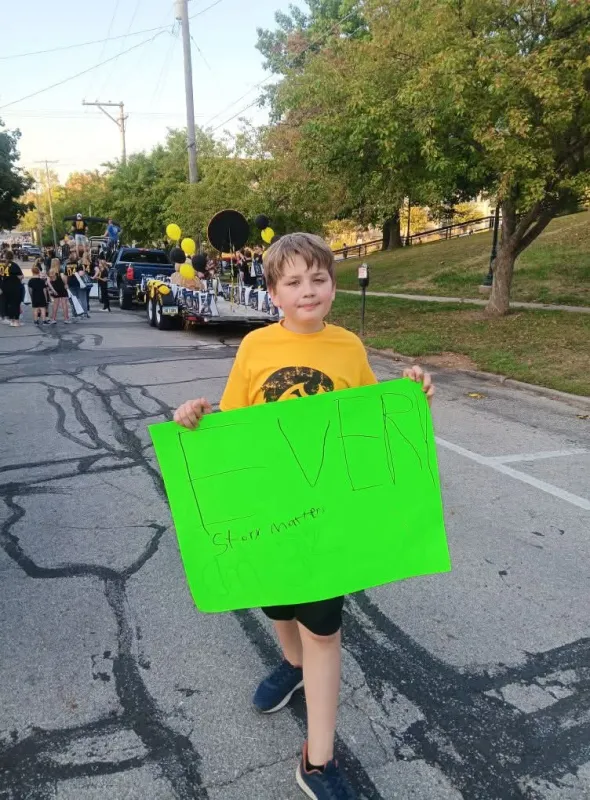
“He’s just a really happy kid,” Tanya says.
Charlie also helps raise funds through an annual run and raises awareness about severe aplastic anemia. He even created a PowerPoint presentation about the disorder to show fellow students.
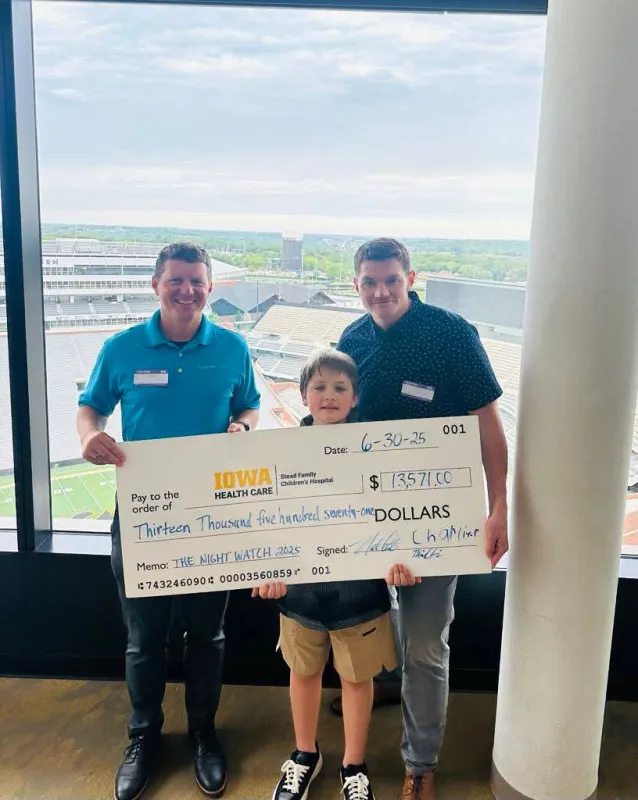
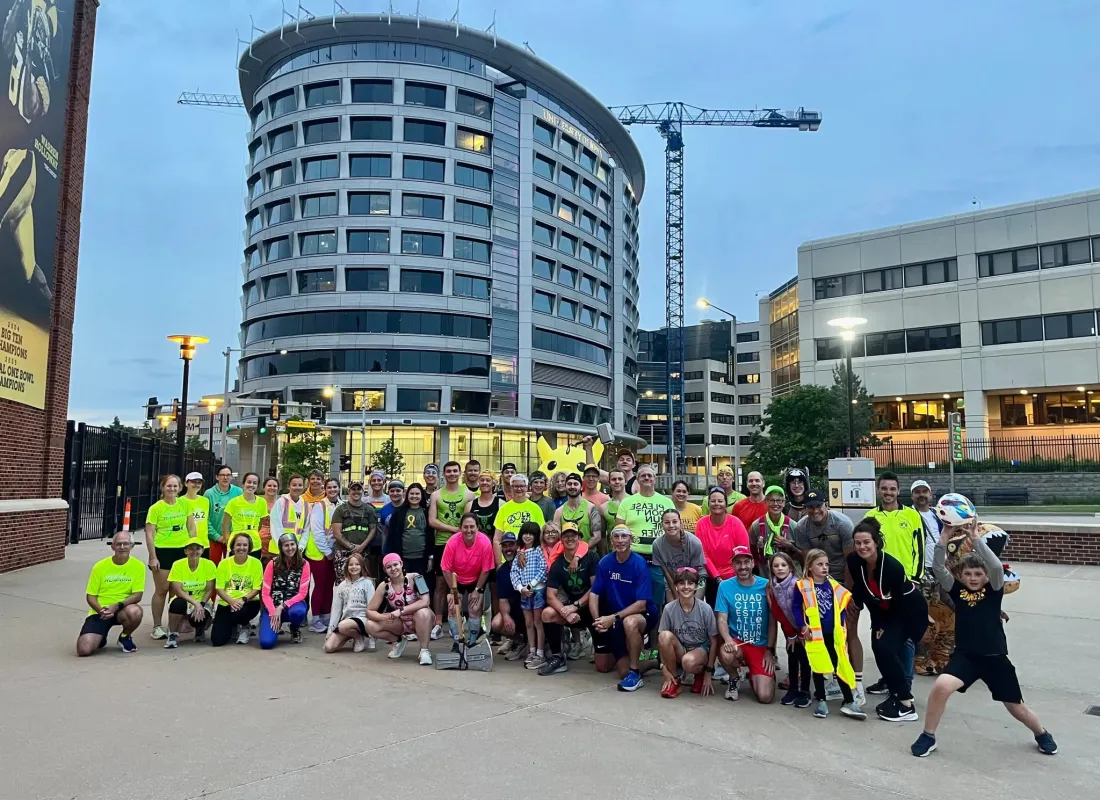
This year, the run, now called the Night Watch Charity Run, raised $14,017 for Stead Family Children’s Hospital, bringing the event’s five-year fundraising total to more than $50,000.. The run was inspired by a family friend who ran all night outside of the hospital to show support while Charlie was undergoing his transplant. Participants, including Charlie, now run around Kinnick Stadium in Iowa City during the event, from sundown to sunup, to raise money for the hospital.
Charlie returns to Stead Family Children’s Hospital for regular checkups.
“I can’t say enough good things about them,” Tanya says of his care team, citing housekeepers and cafeteria staff in addition to doctors, nurses and other caregivers. “I’m so thankful the hospital is right there. I can’t thank these people enough.”
Each football season, we welcome 12 unforgettable patients into our Kid Captain Hall of Fame. Explore our four most recent stories.
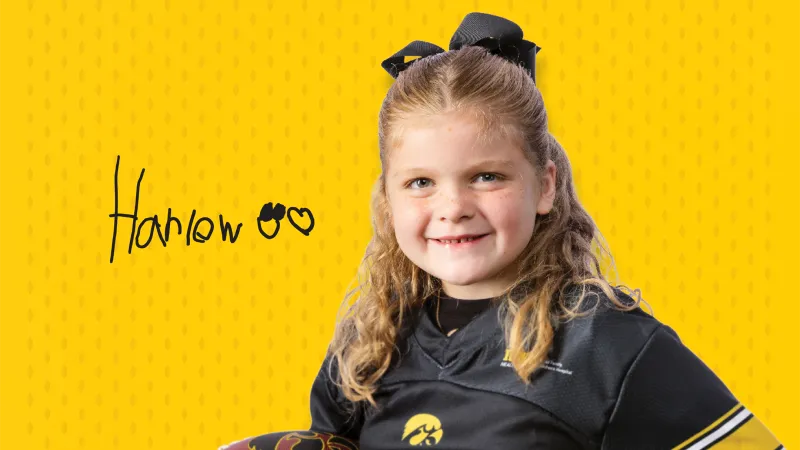
A routine newborn screening revealed that Harlow Taube has mucopolysaccharidosis type I (MPS I), an extremely rare genetic disorder. While there is no cure, early diagnosis allowed Harlow to begin lifesaving treatment soon after birth.

Millie was transferred to Stead Family Children’s Hospital shortly after birth due to breathing issues, eventually undergoing open heart surgery at just 4 months old. She was diagnosed with a rare syndrome, Bannayan–Riley–Ruvalcaba.

After multiple misdiagnoses, Ray Walker’s parents saw a "night and day” difference in their son’s care after arriving at University of Iowa Health Care Stead Family Children’s Hospital.

After a sudden headache at his birthday party led to the discovery of a brain tumor, Blake underwent major surgery, radiation, and chemotherapy at Stead Family Children’s Hospital.