How to establish primary care and why it matters for your health
Finding a primary care provider is one of the most important steps you can take for your health. Learn how to get started, what to expect, and how to reduce wait times so you can get care sooner.
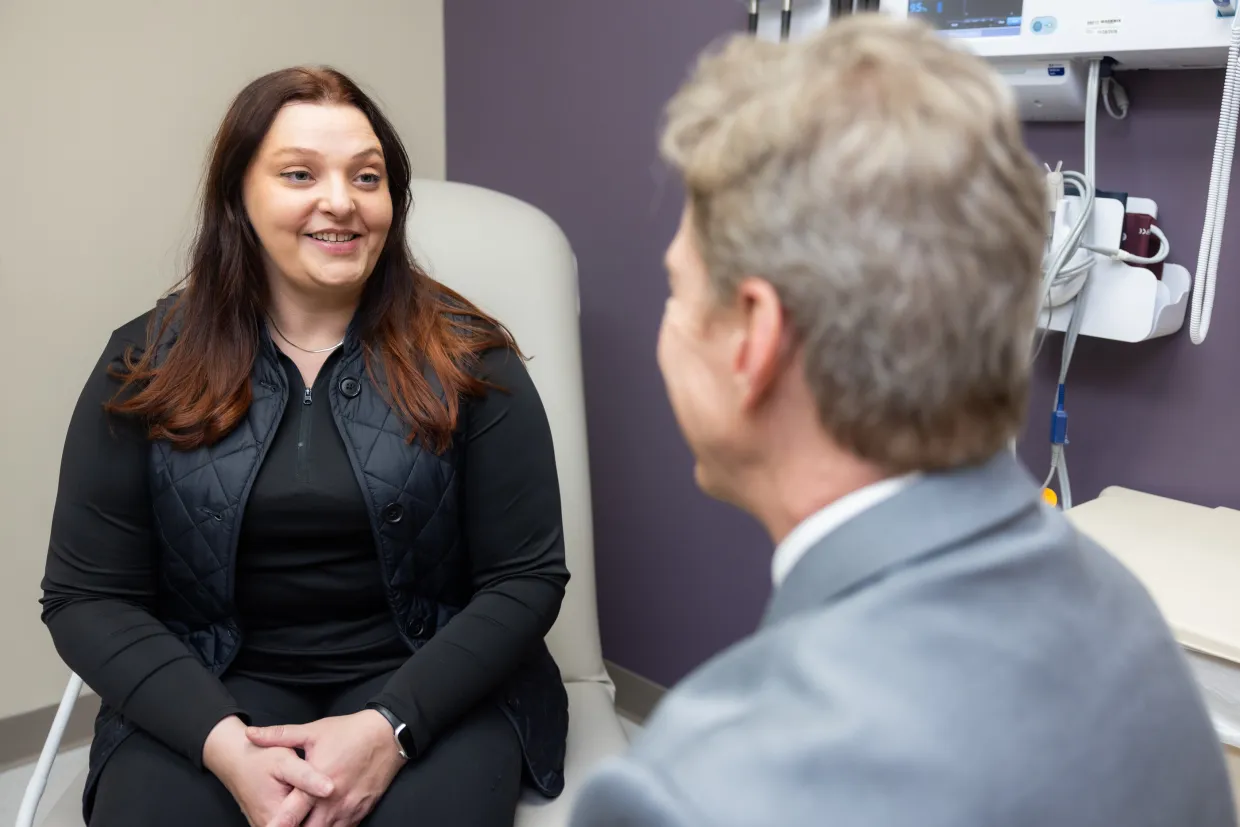
Finding a primary care provider at UI Health Care
If you don’t currently have a primary care provider (PCP), getting started may feel like a big step — but there are multiple ways to begin.
“We have a number of doorways to primary care,” says Katherine Imborek, MD, a family medicine physician at UI Health Care.
One of the simplest ways is to start online.
“Looking at our website is a really good place because you can either request an appointment straight from there or get the phone number and call,” she says.
If you already use MyChart, you may be able to schedule an appointment directly through this secure patient portal.
If you’ve only used same day walk-in care before, you can still get connected.
“If you haven’t yet established primary care but get care at our walk-in clinics, these providers can help you get started,” Imborek says.
Why having a primary care provider improves your health
Primary care isn’t just about having a place to go when you’re sick — it’s one of the strongest predictors of long-term health.
“People that have a primary care provider they can identify by name have improved health outcomes, and they have fewer visits to the emergency room,” Imborek says.
Research consistently supports this: Studies show lower mortality rates among patients who have continuous care with a primary care provider, according to Imborek. People with a regular primary care provider are more likely to:
- Live longer
- Receive recommended screenings, vaccines, and preventive care
- Be diagnosed earlier when conditions develop
- Better manage chronic diseases like diabetes or high blood pressure
- Avoid unnecessary emergency room visits and hospitalizations

Primary care also improves how your care is coordinated across the health system.
“We often use the metaphor of a primary care provider as a quarterback who understands the entire picture of your health ,” Imborek says.
This “quarterback” role helps you get the right care, at the right time, for the right reason.
Primary care offers:
- Screenings
- Immunizations
- Chronic disease treatment
- Lifestyle guidance
“It’s about trying to catch things early and trying to prevent chronic disease down the road,” Imborek says.
Without consistent primary care, these preventive steps can be missed, leading to delayed diagnoses and worse outcomes over time.
Primary care isn’t just about having a doctor or advance practice provider (APP). It’s about having a long-term partner in your health.
What to look for in a primary care provider
Choosing a provider is a personal decision — and there’s flexibility in how you do it.
“Family medicine is a unique specialty in that we care for people of all ages,” Imborek says.
“We are able to provide care for all stages of life, from delivering babies to caring for kids and adults, and all the way to being with our patients and their families in their final days," she says.
You may also choose between:
- Physicians (MD/DO)
- Advanced practice providers (nurse practitioners or physician assistants)
“All of our APPs are highly competent, and they provide care under the supervision of a physician,” Imborek says.
Other helpful factors to consider:
- Appointment availability
- Location convenience
- Provider schedule
- Personal comfort and preferences
Why it may take time to get a primary care appointment
If you’ve tried to schedule primary care recently, you may have noticed that it can take time.
This isn’t unique to UI Health Care.
“A shortage of primary care providers is something that we’re seeing nationwide,” Imborek says.
Across the U.S., demand for primary care continues to grow, especially as more people seek preventive care and chronic disease management.

Find primary care that fits your needs
Explore providers, locations, and scheduling options to get started with primary care.
How to reduce your wait time and get care sooner
Even if your first primary care appointment is weeks away, you may be able to be seen sooner.
Start with available scheduling tools. When you select that you’re a new patient, the system will show providers who are currently accepting new patients, helping narrow your options more quickly.
You can also visit the Family Medicine page which offers scheduling options and shows which providers are accepting new patients. Calling is also an option, and it’s a good opportunity to ask to be added to a waitlist.
“We have 18 clinical locations right now that offer primary care and family medicine,” Imborek says.
One of the most effective strategies is joining the waitlist. When appointments become available due to cancellations or schedule changes, patients on the waitlist are offered these earlier time slots.
“When you make an appointment and are asked if you want to be added to the waitlist, say yes,” Imborek says. “We know that patients on a waitlist may end up being seen weeks before their originally scheduled appointment.”
Flexibility also helps. Imborek says that being flexible and open with dates, times, or location may allow you to be seen sooner.
What to do while waiting for your first primary care visit
You don’t have to wait without care.
“Our walk-in care options are wonderful and available at multiple locations,” Imborek says.
Same-day care is best for:
- Minor illnesses and injuries
- Short-term concerns
For ongoing or more complex needs:
“My recommendation would be to make a phone call and talk to one of the nurses and let your specific scenario be triaged,” she says.
This “right care, right place” approach helps ensure you’re getting appropriate care while waiting.
When you make it to your first primary care visit, consider it the first step in building a foundation for your care.
“The initial appointment is really meant to provide an opportunity for the primary care provider to get to know you as a patient,” Imborek says.
This includes reviewing your health history and planning future care. During this initial visit, providers really learn about you and your overall health so that they can provide you with the best care.
Preventive care starts here
Whether you’re looking to stay healthy, manage a condition, or simply have a place to turn when something doesn’t feel right, getting established now can make a meaningful difference over time. The earlier you start, the more your care team can help you stay ahead of what’s next.