How heart health affects stroke risk
Your heart plays a key role in stroke risk. Learn how managing blood pressure, atrial fibrillation, cholesterol, diabetes, and other vascular risk factors can help prevent stroke — and how UI Health Care can support your next steps.
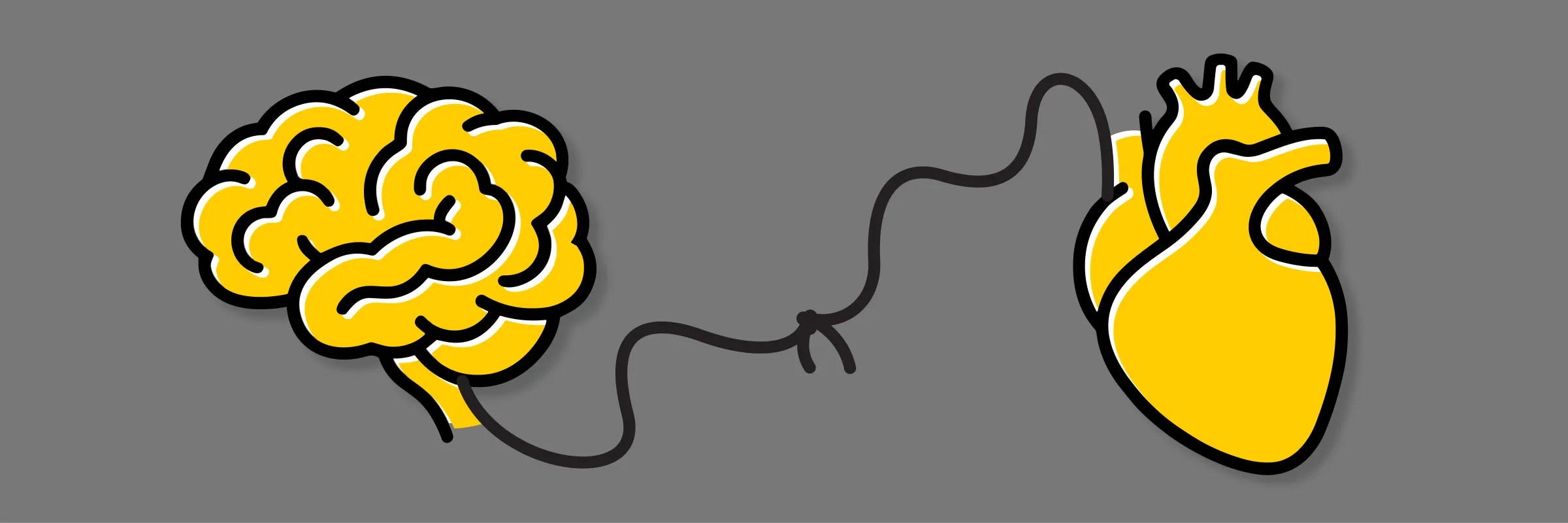
When you think about stroke, you may think about the brain first. But in many cases, stroke risk actually starts with your heart.
Your brain depends on a constant, uninterrupted supply of oxygen-rich blood to keep neurons alive and functioning. Even brief interruptions in blood flow can damage brain cells. When a blockage limits that supply, brain tissue can be injured within minutes.
“The heart is the pump of blood for the brain, so when that gets damaged, you can have downstream effects,” says Enrique Leira, MD, a neurologist and head of the Comprehensive Stroke Center at University of Iowa Health Care. He is also a professor and the director of the UI Department of Neurology Division of Cerebrovascular Disease. “Stroke is the result of a blockage of an artery supplying blood flow to the brain.”
That connection is why stroke and heart disease are so closely linked and why prevention often starts with your cardiovascular health.
How heart conditions can cause stroke
Stroke is a brain event, but it can be driven by what’s happening in your heart.
One of the most common examples is atrial fibrillation (Afib), an irregular heart rhythm that can cause blood to pool and form clots.
If a clot travels from your heart to your brain, it can block blood flow and cause a stroke.
Other heart conditions can also increase your risk, especially when the heart doesn’t pump effectively. When blood flow slows or becomes irregular, the chance of clot formation increases.
This is why managing heart conditions isn’t just about preventing heart problems. It’s also about preventing stroke. When blood flow is disrupted, it’s not just a blockage — it can lead to direct injury of brain cells.
What risk factors increase stroke risk?
The biggest drivers of stroke risk are often the same ones that affect your heart.
These include:
- Having had a stroke already (the most important factor)
- High blood pressure (the second most important risk factor)
- Atrial fibrillation (Afib)
- High cholesterol
- Diabetes
- Smoking
- Obesity
- Physical inactivity
- Stress
Over time, these risk factors don’t just affect your heart — they can also damage the blood vessels that supply your brain, increasing the risk of cognitive decline, memory issues, and stroke.
If you’re over 40, these risks become more important to monitor, especially if you’ve already been diagnosed with a heart condition.
Why blood pressure is the biggest modifiable stroke risk factor
Of all the risk factors, high blood pressure has the biggest impact on both heart disease and stroke.
It can damage your blood vessels over time, making them more likely to narrow, stiffen, or become blocked. In the brain, this damage can reduce blood flow or weaken blood vessels, increasing the risk of both ischemic stroke (blockage) and hemorrhagic stroke (bleeding).
The challenge is that high blood pressure often doesn’t cause noticeable symptoms before a stroke happens. Leira emphasizes that people should check their blood pressure numbers as routinely as they do tire pressure on their car. So, check your numbers.
Managing your blood pressure can significantly reduce your risk of stroke. That’s why regular checkups and monitoring are essential, even if you feel healthy.
Why heart health matters after a stroke
After a stroke, your care team doesn’t just treat the event caused by that clot that blocked an artery. They work to understand where the clot came from. In many cases, that means taking a closer look at your heart.
“Having a stroke is the most important risk factor for having another one,” Leira says.
Your care team may evaluate whether:
- A clot formed in your heart
- You have Afib or another rhythm issue
- Your arteries are narrowed or diseased
Determining the source of a clot and evaluating other possible causes of a stroke helps reduce the chance of further strokes.
How to lower your stroke risk through heart health
The steps you take to care of your heart can directly impact your stroke risk.
These includes:
These habits don’t just support heart health — they also play a critical role in protecting brain function. Healthy blood flow helps preserve memory, thinking abilities, and long-term cognitive health, reducing the risk of stroke and other forms of neurological decline.
While the positive results from these lifestyle modifications may not be immediately apparent, managing these risk factors can significantly reduce your chances of stroke.
“Anything you can do to lower the chance is useful,” Leira says.
Take steps now to prevent stroke
Heart disease and stroke are different conditions, but they are closely connected.
The steps you take to manage your heart health like controlling blood pressure, treating Afib, and staying active can also help protect your brain.
If you’re over 40, now is the time to pay attention to those risks. When you take care of your heart, you’re also helping prevent stroke — and protecting your long-term brain health, cognitive function, and quality of life.