Helmets and Protective Gear for ATV and UTV Riders
Wearing the right protective gear can prevent serious injuries or save your life in an ATV or UTV crash. Learn what to wear and why it matters every time you ride.
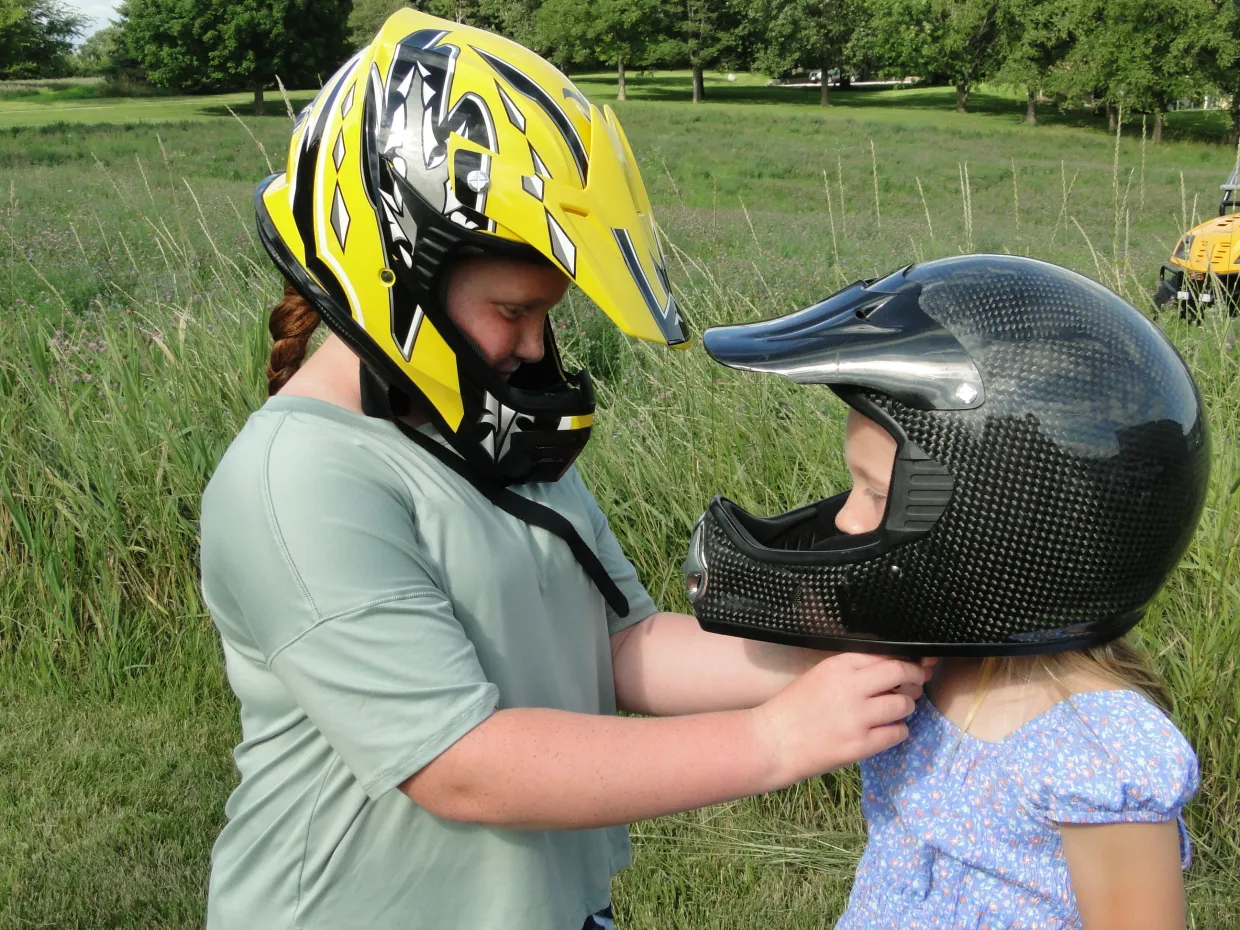
All-terrain vehicle (ATV) and utility task vehicle (UTV) crashes can happen suddenly, even at low speeds. Proper protective gear reduces the risk of head injury, fractures, and severe cuts.
Essential protective gear for every ride
Wearing proper protective gear is one of the most effective ways to reduce the risk of injury. Here’s what you should have:
Helmet
A helmet protects against head trauma during a crash, making it the most important piece of safety equipment for ATV and UTV riders.
- Your helmet should be certified by the Department of Transportation (DOT), ANSI, or Snell.
- Wearing full-face helmets provides the best protection.
- If you’re using an open-face helmet, wear goggles or a face shield for eye protection.
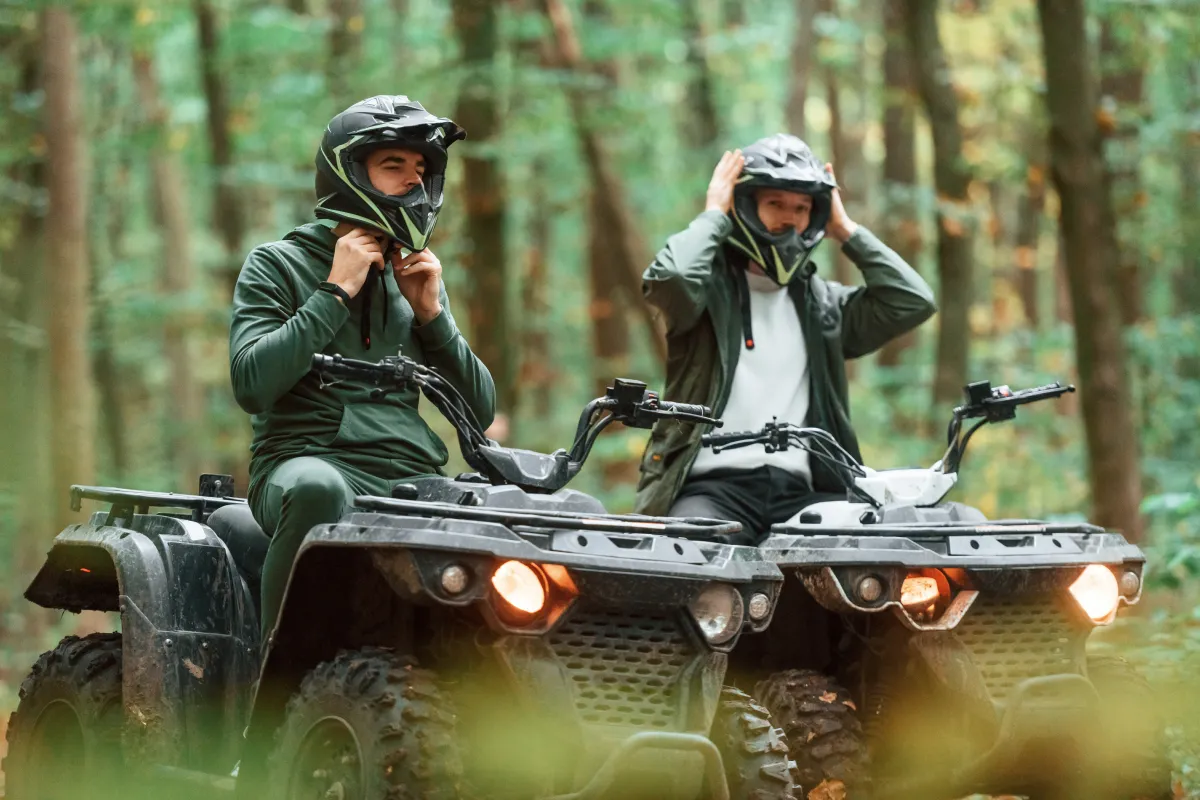
Eye protection
Eye protection helps maintain clear vision and prevent injury.
- You should use impact-resistant, shatterproof goggles or face shields.
- Proper eye protection shields against dust, debris, and branches.
- Sunglasses and eyeglasses are not sufficient for protection.
Gloves
Gloves improve control and protect your hands.
- Gloves can prevent blisters, cuts, and abrasions.
- They also provide a better grip on handlebars while offering flexibility.
Long sleeves and long pants
Long sleeves and pants reduce the risk of injury.
- Covering your arms and legs protects skin against burns from the engine or exhaust, and cuts and scrapes from debris.
- Durable materials like denim or abrasion-resistant fabrics provide better protection.
Over-the-ankle boots
Proper footwear protects your feet and ankles.
- Proper footwear helps prevent foot and ankle injuries from debris, crashes, or rollovers.
- It also provides better control when using foot brakes.
Common misconceptions about protective gear
Myth: A bicycle helmet is enough for ATV or UTV riding.
Fact: Bicycle helmets are not designed for high-speed or rollover crashes. Only DOT-approved helmets provide appropriate protection.
Myth: Protective gear is uncomfortable or restrictive.
Fact: Modern gear is designed for comfort and mobility while still providing protection.
Myth: Since I only ride on private property, I don’t need protective gear.
Fact: Most serious injuries occur on private land, where riders may take more risks, and emergency care may be delayed.