Roadway Risks for ATV and UTV Riders
ATVs and UTVs are designed for off-road use — not public streets. Riding them on roads increases the risk of crashes, serious injuries, and death.
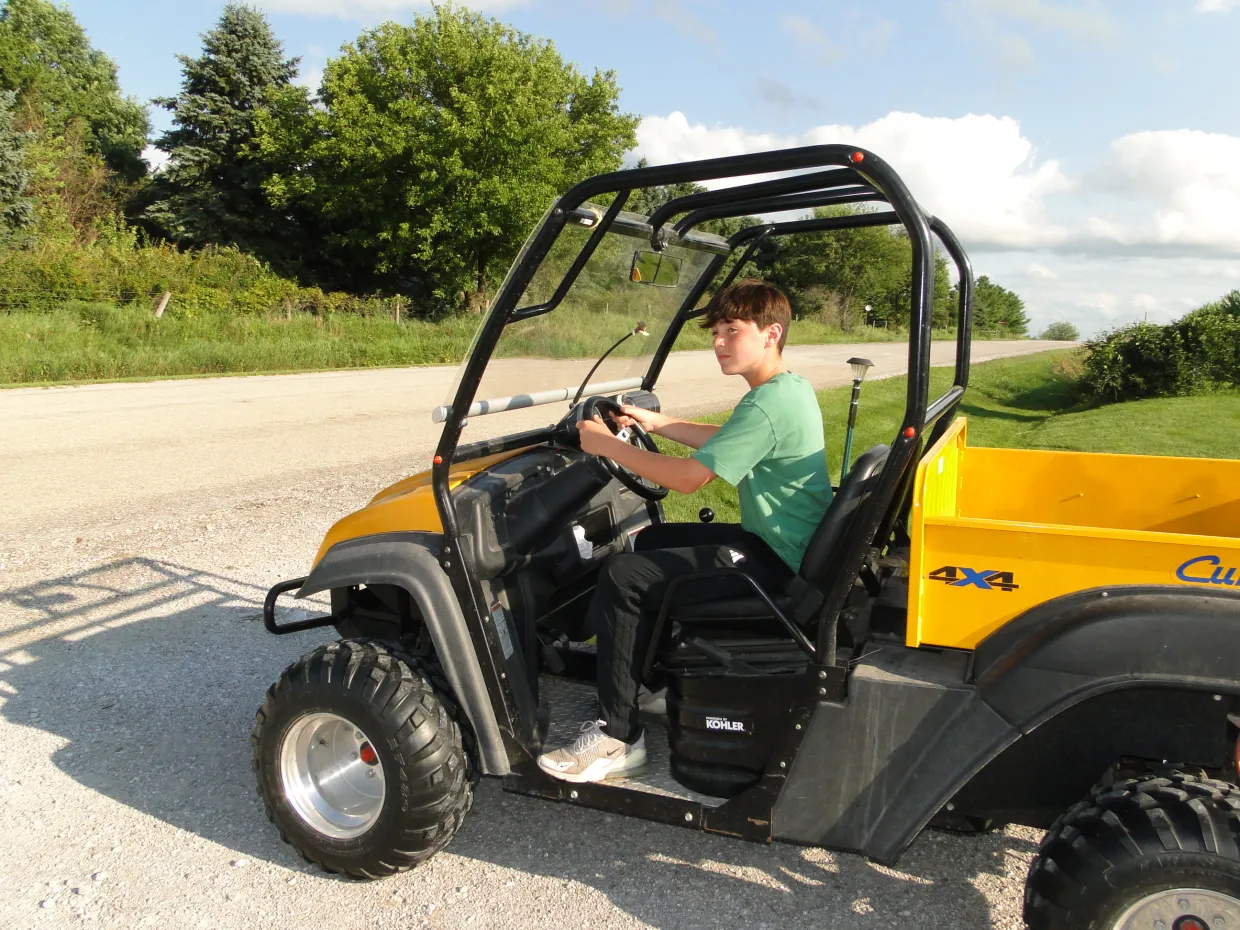
All-terrain vehicles (ATVs) and utility task vehicles (UTVs) are designed for off-road use — not public roads. Their design makes them more difficult to control on paved or gravel surfaces and increases the risk of crashes, rollovers, and serious injuries.
Manufacturers explicitly state that ATVs and UTVs are not intended for roadway use. National organizations, including the Specialty Vehicle Institute of America (SVIA) and the Recreational Off-Highway Vehicle Association (ROHVA), also strongly oppose riding these vehicles on public roads.
Studies consistently show that riding ATVs and UTVs on public roads significantly increases the risk of serious crashes, injuries, and fatalities.
Why ATVs and UTVs don’t belong on public roads
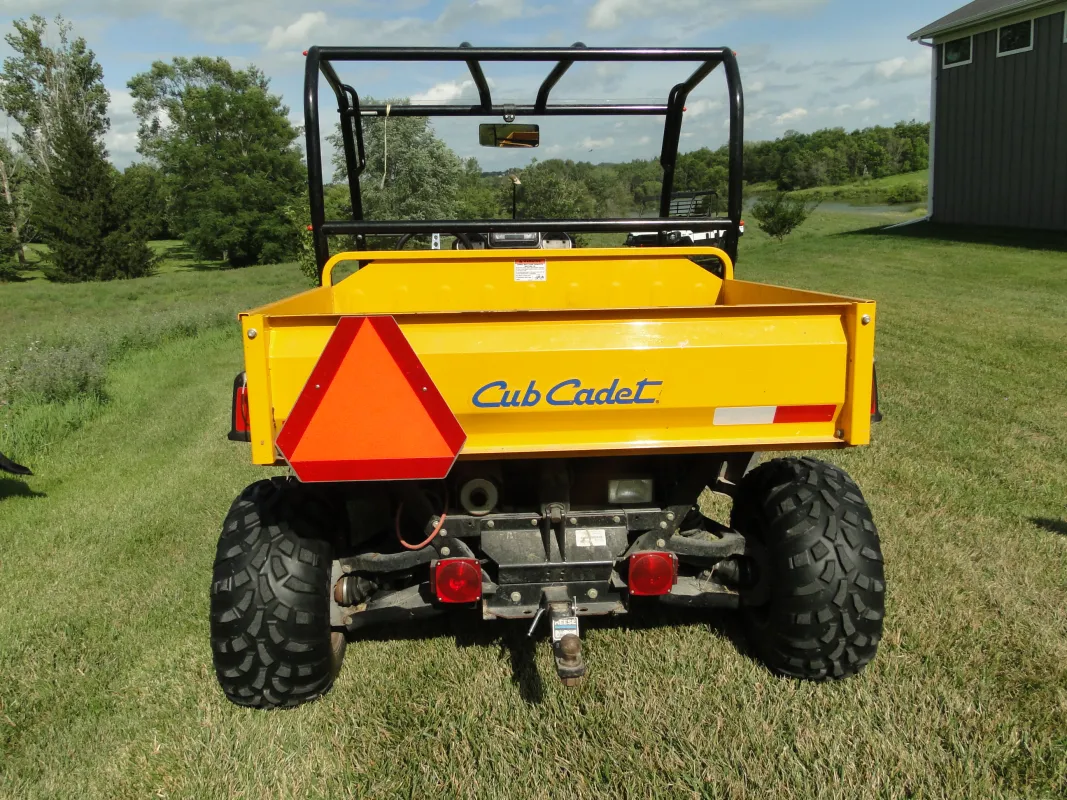
Loss of control due to off-road design
ATVs and UTVs are engineered for off-road terrain, not paved or gravel roads. Their design increases the risk of losing control at roadway speeds.
- They have a high center of gravity and narrow track, making them more prone to rollover.
- Off-road tires are designed to grip loose terrain and can behave unpredictably on hard surfaces like pavement.
- Many models use a solid rear axle (or locked differential), meaning both rear wheels turn at the same speed. This makes turning more difficult and increases the turning radius — especially at higher speeds on roads. Riders who do not slow down enough for curves are more likely to lose control.
- Some newer UTV models allow the rear differential to be unlocked (often called “turf mode”), which lets the wheels rotate at different speeds and improves handling during turns. If roadway riding cannot be avoided, using this feature may help reduce the risk of losing control.
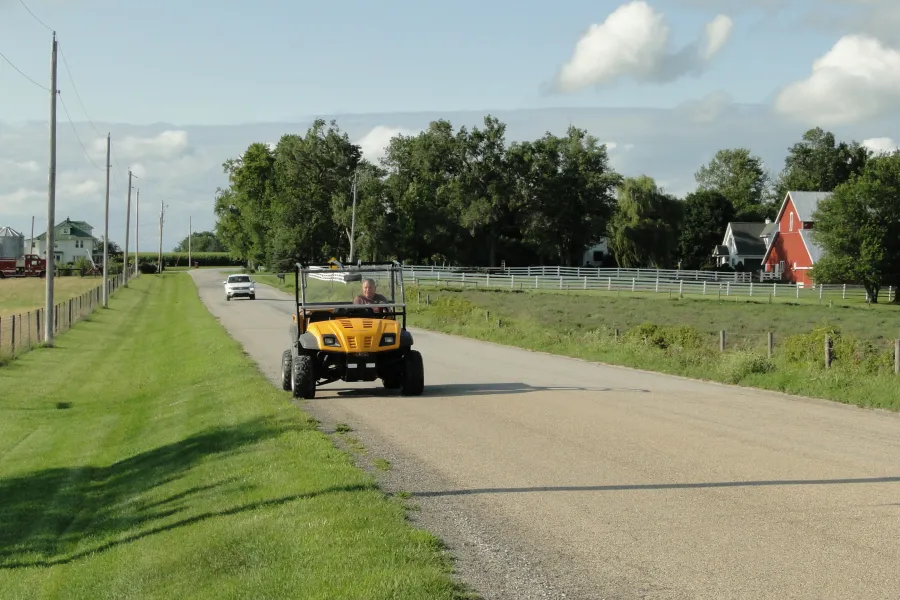
Increased risk of collisions with motor vehicles
Unlike cars and motorcycles, ATVs and UTVs are not built to safely interact with roadway traffic.
- They are harder for other drivers to see, especially at intersections or in low-light conditions.
- They typically travel at slower speeds than other vehicles, increasing the risk of rear-end collisions.
- ATVs lack key safety features such as seat belts and occupant protection.
- In a crash with a larger vehicle, riders are at a significantly higher risk of serious injury.
More severe injuries and higher fatality rates
Crashes on public roads are more likely to result in serious injury or death.
- Roadway crashes are more often associated with head and spinal cord injuries.
- Helmet use tends to be lower on public roads, increasing the risk of severe outcomes.
- Even when helmet use is considered, the risk of head injury is higher on roads than in off-road crashes.
- Roadway incidents are associated with higher hospitalization and fatality rates.
Public safety concerns
Many states and local governments have expanded access for ATVs and UTVs on public roads. However, this creates additional risks.
- In Iowa, counties that allowed ATVs and UTVs on public roads saw a 58% increase in crashes.
- Enforcement of safety laws, including speed limits and age requirements, can be difficult.
- Roadway crashes are more severe and have higher fatality rates than off-road incidents.
If roadway travel cannot be avoided
In limited situations, such as agricultural work, riding on a road may be necessary. If so, take steps to reduce your risk:
- Increase visibility to other drivers
- Use a tall orange flag (especially for ATVs).
- Add a slow-moving vehicle emblem.
- Keep headlights on at all times.
- Choose highly visible vehicle colors when possible.
- Reduce speed
- Travel as slowly as possible (generally under 35 mph).
- Use safety equipment
- Always wear a helmet.
- Use seat belts or harnesses in UTVs.
- Follow safe riding practices
- Never carry passengers on single-rider ATVs.
- Stay within manufacturer weight limits.
- Follow all roadway laws.
- Use “turf mode” or unlock the rear differential in UTVs if available.
STARs Program
UI Health Care Stead Family Children's Hospital STARs Program is an educational initiative promoting 10 key safety principles to help all-terrain vehicles (ATVs) and utility task vehicles (UTVs) riders prevent injuries.