When and why to refer your patients for bone health care
Osteoporosis remains underrecognized and undertreated, especially after fragility fractures. UI Health Care’s Own the Bone program closes that gap with consistent, protocol-driven secondary fracture prevention.
Fragility fractures signal missed opportunities in care
Despite advances in surgical fracture management, osteoporosis often goes unaddressed after the acute event.
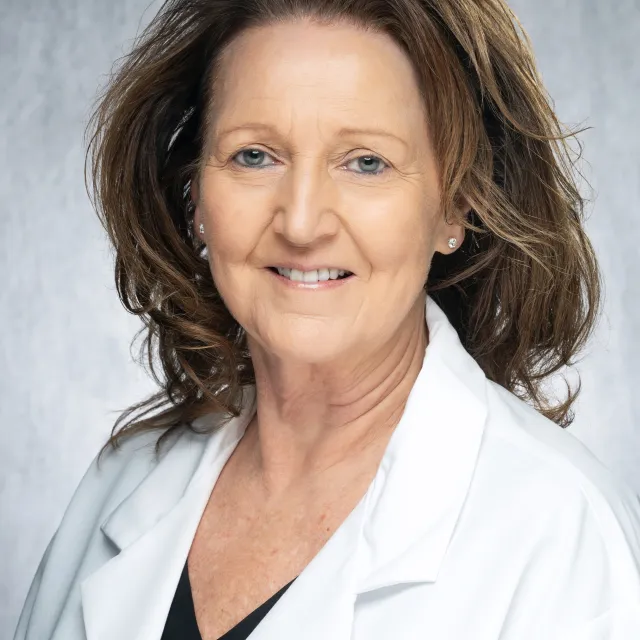
“Patients often believe the fall is the cause of the fracture,” says Lori Fitton PhD APRN, an orthopedics and rehabilitation clinical instructor at UI Health Care. “We are trying to do better about educating patients regarding the underlying bone disease of osteoporosis.”
Fitton emphasizes that osteoporosis is “underrecognized, underdiagnosed, and undertreated,” leading to preventable secondary fractures.
“When the bone breaks or fails under stress, it’s a warning sign,” she says. “We should investigate why the bone structure failed and determine what can be done to prevent a subsequent fracture.”
What Own the Bone provides clinicians
Own the Bone is a national quality improvement program of the American Orthopaedic Association (AOA) focused on secondary fracture prevention. It provides a structured framework for identifying patients, delivering evidence-based interventions, and tracking outcomes.
UI Health Care has been designated an Own the Bone Star Performer, for the last five years, recognizing consistent adherence to national bone health benchmarks.
Only programs achieving 75% or greater compliance on at least five of the 10 Own the Bone prevention measures qualify for this designation. UI Health Care is one of only two hospitals in Iowa participating in the program.
Fitton attributes the program’s success to faculty support and the use of reliable, quality Own the Bone metrics.
“It’s consistency and protocols — doing the right thing, the same way each time,” she says.
Rather than relying on delayed referrals, the program embeds bone health assessment at the point of fracture care, when patient engagement is highest.
“This is the place to get in and make a difference,” Fitton says.
How the program operationalizes fracture prevention
The Own the Bone program standardizes early intervention and follow-up after fragility fractures.
“When we see patients in the hospital right away, we measure vitamin D and start nutrition planning,” Fitton says.
- Vitamin D assessment and correction
- Nutrition optimization (calcium, vitamin D, protein)
- Early follow-up (typically within six weeks)
- Medication initiation or adjustment when indicated
- Exercise, balance, and fall-prevention counseling
- Risk factor modification (tobacco, alcohol, medications)
- Longitudinal bone density monitoring
“Calcium, vitamin D, and protein are the building blocks for new musculoskeletal health,” Fitton says. “If patients are vitamin D deficient, they’re not absorbing calcium or protein.”
She emphasizes that pharmacotherapy alone is insufficient without foundational optimization.
Which patients should be referred
Fitton recommends a referral for any adult patient with a fragility fracture. But even someone who appears healthy may benefit from a referral. Osteoporosis is often undetected until a fracture occurs.
Fitton hopes that primary care providers will refer patients who fit any of the following criteria:
- Women age 65+ and men age 70+
- Prior wrist, hip, vertebral, or periprosthetic fractures
- Height loss or kyphosis
- Long-term steroid use
- Rheumatoid arthritis, COPD, GI malabsorption, or gastric bypass
- Cancer survivors exposed to chemotherapy or radiation
- Poor response or intolerance to osteoporosis medications
- Preoperative optimization for elective joint or spine surgery
Bone health optimization is as important as preventing that secondary fracture, Fitton notes.
Why early referral matters for fracture prevention
Timing is one of the most important factors in preventing secondary fractures. After a fragility fracture, delays in bone health assessment can mean missed opportunities and a higher risk for another, often more serious, injury.
Fitton explains that historically, patients were referred out of orthopedics for bone health care, but those referrals can take months to materialize. By embedding bone health assessment at the point of fracture care, UI Health Care’s Own the Bone program closes that gap.
“Starting this program in the orthopedic department, we can see patients during that crisis period,” Fitton says. “This is the place to get in and make a difference.”
Early referral allows clinicians to:
- Identify underlying osteoporosis before a second fracture occurs
- Begin nutrition optimization immediately (vitamin D, calcium, protein)
- Address fall risk and modifiable behaviors early
- Initiate or adjust medication before bone loss progresses
- Establish longitudinal follow-up instead of one-time intervention
Fitton emphasizes that waiting until after recovery can change outcomes.
“The 50-year-old with a wrist fracture is often the very patient that will sustain a hip fracture in 10 years if we don’t intervene.”
Early referral also supports continuity of care. Rather than relying on a single visit or a delayed handoff, patients enter a structured program with consistent protocols and ongoing monitoring.
Once patients understand the role bone health plays in healing and long-term independence, Fitton says they’re more likely to engage.
“Once you prioritize bone health, they want to prioritize it too,” she says.
For referring providers, early connection to a specialized bone health program helps ensure that a fracture becomes a preventable turning point, not the first in a series.
Program growth and continuity of care
What began as a post-fracture initiative has expanded into a longitudinal bone health service.
“The program grew so fast, we had to hire two more APPs,” Fitton says.
Patients are followed with serial DXA scans and ongoing risk assessment, supporting continuity rather than one-time intervention. Fitton says that patients generally feel engaged with the program.
“Once patients understand what’s going on, they want to come back,” Fitton says. “Once they’re educated, they’re pretty savvy.”
UI Health Care’s Own the Bone program offers referring providers a consistent, evidence-based pathway for osteoporosis assessment and fracture prevention. Fitton encourages all providers to consider referring appropriate patients to UI Health Care’s Osteoporosis and Bone Health services.