Emergency Department Process: Step by Step
Emergency Department Process: Step by Step
While no one typically plans a visit to the emergency department, it’s helpful to know what to expect once you arrive. Following are the general steps for when you need emergency care:
Check-In and Assessment
When you arrive at the emergency department on your own, a nursing staff member will:
- Take your vital signs (temperature, blood pressure, pulse, weight)
- Record the reason for your visit
- Assess the severity of your symptoms
Once this step is completed, you may be asked to return to the waiting room.
Workup, Tests, and Procedures
During this step, you will be evaluated by a physician or other care provider, who may order a workup based on your condition and symptoms:
A nursing staff member will complete the workup as ordered. This may include:
- Blood draw
- Medicine or immediate treatment
- EKG to measure your heart’s electrical activity
- X-ray, CT scan, MRI, or ultrasound
- Other tests or procedures
- Other medical specialists assessing your condition
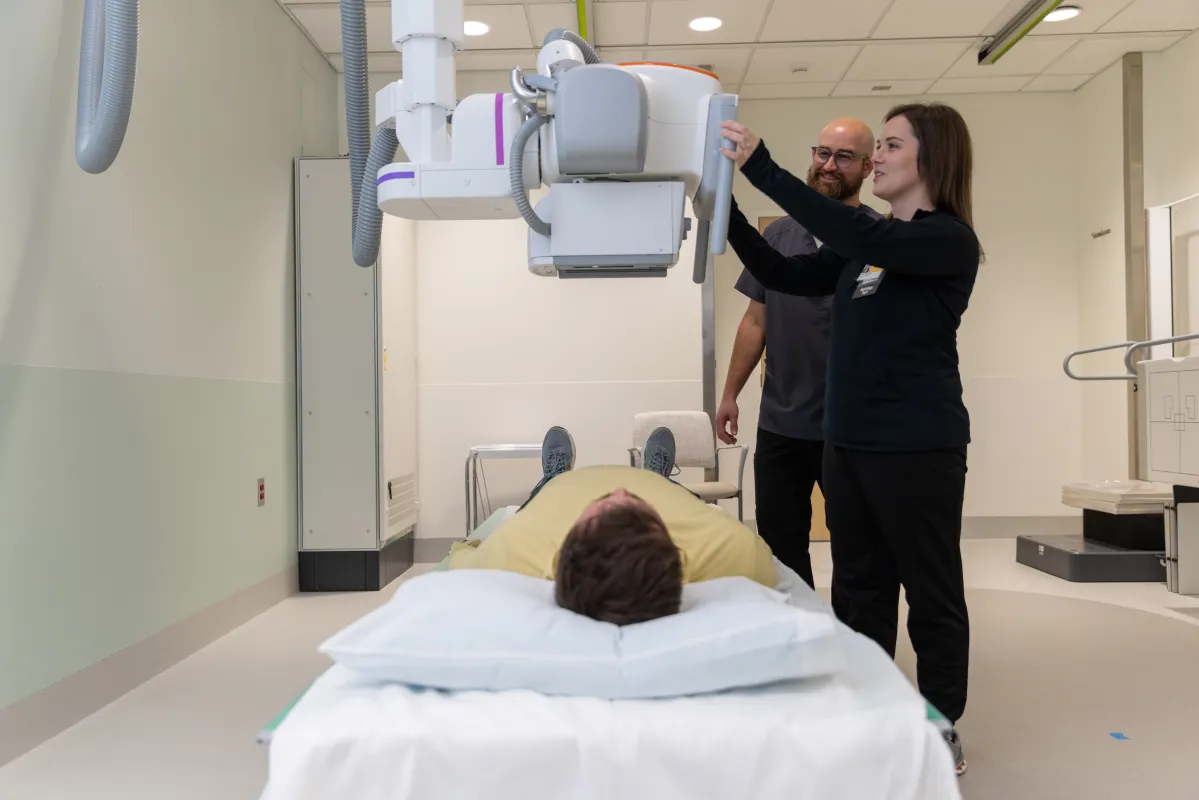
Once the workup is completed, you may:
- Stay where you are in the exam room
- Return to the waiting room
- Be admitted to an inpatient room
Please note that it may take an hour — or possibly several hours — for all your test results to return.
Review Test Results and Next Steps
Once the test results from your workup have arrived, you will meet with the physician or other care provider to discuss the next steps in your care.
If you have MyChart, your test results may appear before you meet with the physician or provider. We appreciate your patience as you wait for them to discuss the results with you.
If needed, you will be admitted to an inpatient room. If your condition is stable, you may be asked to return to the waiting room until an inpatient bed is available.
Please keep in mind:
- Patients are seen and treated based on the severity of their condition. This is why another patient may be seen before you, even though this patient arrived at the emergency department after you.
- Your physician and care team may be waiting for your test results.
- Other medical specialists may be needed as part of your care, and they may be seeing other patients.
To assist the emergency care team:
- Try not to eat or drink while you’re waiting. Some tests require no eating or drinking beforehand.
- Check with the nursing staff before using the restroom. A urine or stool sample may be needed.
- Tell the nursing staff if you have medications that you must take while you are waiting.
Patient Stories